When the prison doors finally open, everyone expects the nightmare to end. Society tells you that safety brings immediate peace. But for Evyatar David, freedom was merely the start of a different, more invisible war.
If you followed the news out of the Middle East, you likely remember the haunting video released by Hamas. A skeletal, exhausted young man stood in a dark tunnel, clutching a shovel, forced to speak on camera while facing extreme starvation. That man was Evyatar David, abducted from the Supernova music festival on October 7, 2023. Months after his release, the physical chains are gone, yet the psychological toll remains completely unrelenting.
The Reality Behind the Nightmares That Won't Stop
Surviving 738 days of captivity changes a person's brain chemistry. Evyatar has opened up about the grueling reality of post-traumatic stress disorder, admitting that he wakes up shaking in the middle of the night, haunted by flashbacks that refuse to stay in the past.
You can leave the underground tunnels, but the tunnels don't always leave you.
He recalls the psychological torture that accompanied the physical deprivation. In testimonies detailing his ordeal, he described walking past his captors' quarters—blindfolded yet acutely aware of the smells of fresh tea and baked cakes—while he withered away to skin and bones. Moments later, he was handed a shovel and told to dig a pit that was framed as his own grave. Those psychological scars don't vanish just because a ceasefire agreement was signed and a plane brought him home.
Why Post-Captivity Rehabilitation Is Misunderstood
Most people assume trauma has a clear expiration date. Once you're out of danger, you should be happy, right? Wrong.
Rehabilitation is an entirely separate battlefield. Evyatar's public statements highlight a crucial truth that clinical psychologists often emphasize: acute survival mode keeps the nervous system locked in a hyper-vigilant state. When your body spends years rationing every calorie and bracing for sudden execution, safety feels foreign. It feels unsafe.
Normal everyday noises trigger alarms. Crowds feel threatening. Silence feels heavy. Friends and family want to celebrate the return, but the survivor is often trapped inside an internal echo chamber of what they endured.
Moving Forward Against the Odds
Evyatar isn't sharing these raw details for pity. He is speaking out because he intends to win this second battle just as he fought to survive the first. His long-term goals remain remarkably grounded: he wants to complete his recovery, get married, and build a quiet family life.
By bringing public awareness to the ongoing struggles of ex-hostages, he is reframing the conversation around recovery. Healing isn't a straight line. It's messy, slow, and entirely non-linear.
Take a moment to process what these survivors face long after the headlines fade. Support doesn't end when the captive comes home; that is precisely when the real work begins.
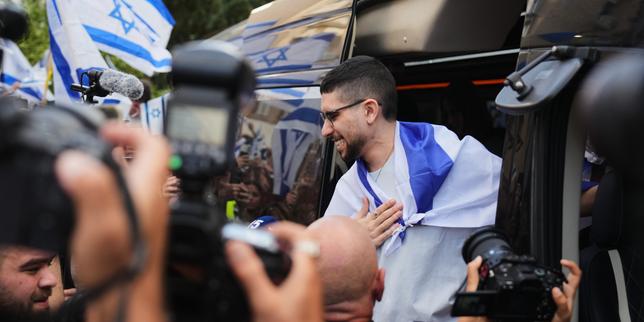
Ex-hostage Evyatar David Finally Reunited With Family After Two Years Held In Hamas Captivity
This video documents the emotional reunion between Evyatar David and his family following his release from captivity in Gaza.
http://googleusercontent.com/youtube_content/1