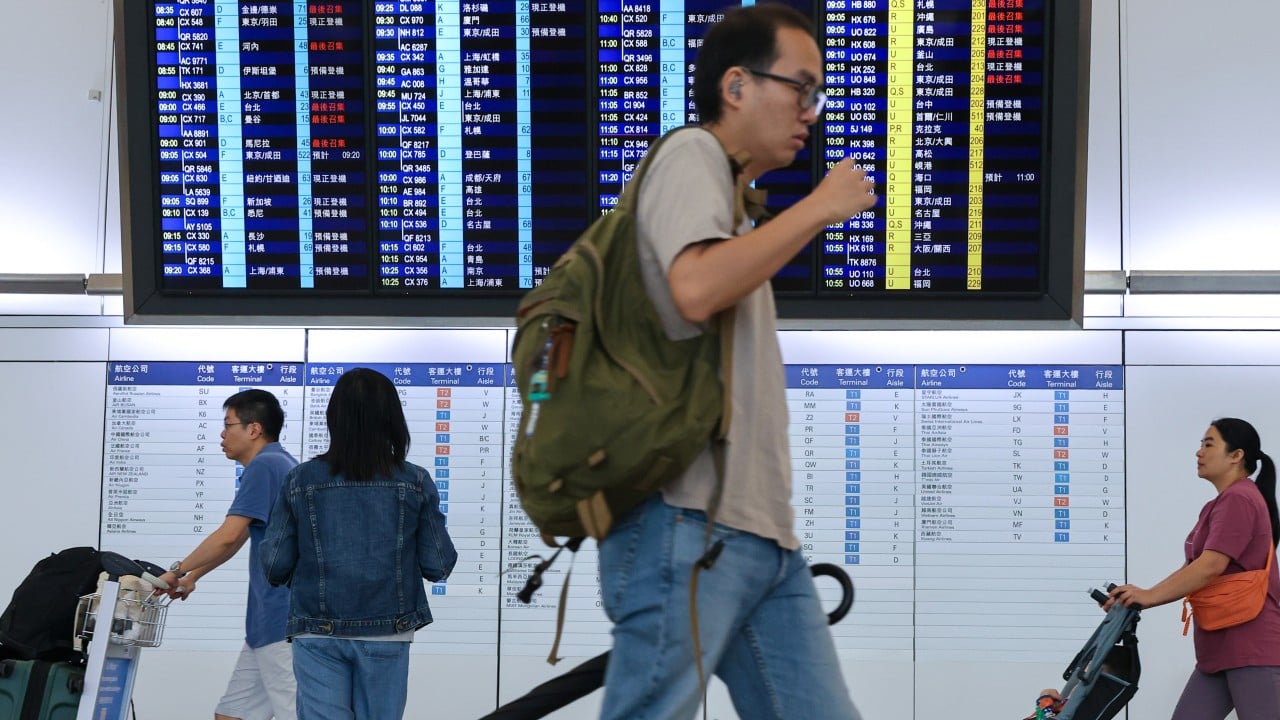
Typhoon Noul didn't just rattle windows across southern China; it brought one of the world's busiest aviation hubs to a grinding halt. When about 2,000 travelers found themselves stranded overnight at Hong Kong International Airport, reality hit hard. Storms cancel flights. But they also trigger a domino effect of skyrocketing hotel rates, endless queue lines, and high-stakes travel rerouting.
If you've ever been trapped inside an international terminal while a major typhoon batters the coastline, you know the panic. Let's look at what actually happened during the wake of Typhoon Noul, why travelers got stuck, and how you can protect your next trip from total operational meltdown.
The Reality of Airport Terminal Living During Severe Weather
When the Airport Authority activated its flight rescheduling control system, around 350 flights faced outright cancellation. That left thousands of passengers sleeping on terminal benches, wrapping themselves in thin blankets, and guarding carry-on bags like precious gold.
The immediate response from airport staff included deploying about 600 additional temporary seats, setting up mobile charging stations, and distributing water, food packs, and meal vouchers. Even so, resources stretched thin very quickly.
Here is what travelers faced on the ground:
- The Hotel Price Surge: Local accommodation options disappeared instantly. Some frantic passengers reported room rates jumping from standard pricing to anywhere between HKD 2,000 and HKD 3,000 per night.
- The Transfer Desk Bottleneck: Rebooking lines spanned hours. A traveler trying to get from Shanghai to San Francisco via Hong Kong spent more than ten hours waiting just to touch base with a transfer desk agent.
- Ground Transit Chaos: The temporary closure of critical infrastructure like the Hong Kong-Zhuhai-Macao Bridge trapped passengers who had just landed. Meanwhile, taxi queues swelled to nearly 400 people deep at peak hours, requiring an hour-long wait supported by a ticketing system.
Why Traditional Rebooking Strategies Fail
Most people assume that when a typhoon disrupts flights, the airline handles everything smoothly. Honestly, that is rarely true. Ground crews deal with tens of thousands of angry, stranded customers simultaneously. System automation crashes or gets severely backlogged.
Waiting passively in line at your airline's main counter is usually the worst move you can make. While you stand there for four hours, hundreds of other passengers are calling customer support hotlines or using mobile apps to snap up the remaining seats on outbound flights for the next three days.
When Typhoon Noul forced the Airport Authority to run its three runways overnight to clear the massive backlog, priority went to passengers who acted fast.
Actionable Steps for Surviving a Major Airport Shutdown
You can't control the weather. You can control how you respond when a storm traps you abroad.
Bypass the Physical Queue Immediately
The moment your flight cancellation notice hits your phone, open your carrier's mobile app. Try to rebook digitally. If the app errors out, call an international customer service hotline for your airline—preferably a branch office in a different time zone where agents aren't overwhelmed by the local crisis.
Secure Accommodations Before Leaving Customs
If you realize you are staying overnight, look for hotels outside the immediate airport district. Airport-adjacent hotels spike prices or sell out within minutes. Search transit-friendly neighborhoods a few subway stops away where inventory remains stable and prices stay grounded.
Pack a Terminal Survival Kit
Never check all your gear. Keep a portable power bank, a refillable water bottle, essential medications, and a light jacket or fleece inside your personal item. Terminals drop temperatures significantly at night, and fighting for a public wall outlet is a miserable experience when thousands of people need power.
Severe weather events are going to keep happening. Knowing how to navigate the aftermath separates a minor travel inconvenience from a complete financial and logistical disaster. Stay alert, keep your digital tools ready, and never wait for someone else to solve your transit emergency.