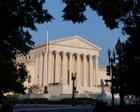
The Supreme Court just handed down a massive ruling right before the midterm elections. It changes how voter rolls work across the country. Justices lifted blocks on a controversial federal database designed to check citizenship status using social security numbers.
Donald Trump's administration pushed hard for this move. They argue it stops noncitizens from casting ballots. Critics call it a voter suppression tool disguised as ballot security. Either way, state election officials can now run sweeping checks immediately.
If you think this is just standard legal wrangling, look closer. Millions of registered voters could find themselves flagged.
What the Database Ruling Actually Means for Voters
Let's cut through the political spin. The high court granted a request from the Trump administration on Friday, September 25, 2026. This decision blocked a lower court judge's order that had stopped states from using federal records to audit voter registration lists.
State officials now have the green light to cross-reference social security numbers and other personal identifiers against federal citizenship data. Proponents claim this protects election integrity. Noncitizen voting is already illegal in federal elections, but officials insist loopholes exist.
Opponents tell a very different story. Civil rights groups point out that federal databases are notoriously messy. Mismatched names, delayed paperwork updates, and clerical errors happen all the time. When you feed flawed data into an aggressive voter purge system, eligible citizens lose their right to vote.
The Timing Problem Ahead of the Midterms
Why does this matter right now? The midterm elections are just weeks away.
Introducing massive database scrubs this late in the game creates pure chaos. Local election offices are already drowning in mail-in ballot requests, early voting logistics, and staffing shortages. Now they have to process sudden flags from federal watchlists.
Voters who get caught in these automated sweeps often receive little notice. Fixing a flagged registration takes time. If you show up to the polls and find your name challenged or purged, casting a provisional ballot becomes your only option. Many of those ballots never get counted.
How to Protect Your Vote Right Now
You can't control what the Supreme Court or the administration does. But you can take concrete steps to make sure your ballot counts.
First, check your voter registration status today. Don't assume you're fine because you voted in the last cycle. Log onto your state's official election website or call your local county clerk's office.
Second, verify your personal information matches across government databases. If you recently moved, changed your name, or updated your driver's license, look for discrepancies. A simple typo in a Social Security Administration file might trigger a false flag under these new rules.
Third, keep paper trails. Save your registration confirmation slips, mail-in ballot tracking receipts, and any correspondence from election officials. If a challenge arises at your polling place, having physical proof of your active registration status gives you immediate leverage.
The legal battles over voter databases will rage on long after the midterms. Right now, your best defense is hyper-vigilance. Check your status, know your rights, and vote early if your state allows it.