If you woke up with intense abdominal cramps, fatigue, and watery diarrhea that just won't quit, you aren't alone. Federal health officials are tracking a massive nationwide surge in Cyclospora cayetanensis infections, with thousands of cases reported across dozens of states.
While news headlines focus on growing numbers, they often leave out the most critical detail: why this microscopic parasite slips through our food safety nets year after year, and what you need to do differently to protect yourself.
Standard kitchen habits won't protect you here. You can't just rinse off this parasite under tap water and call it a day. Understanding how Cyclospora operates explains why it's so frustratingly hard to avoid and track.
What Makes Cyclospora Different From Standard Stomach Bugs
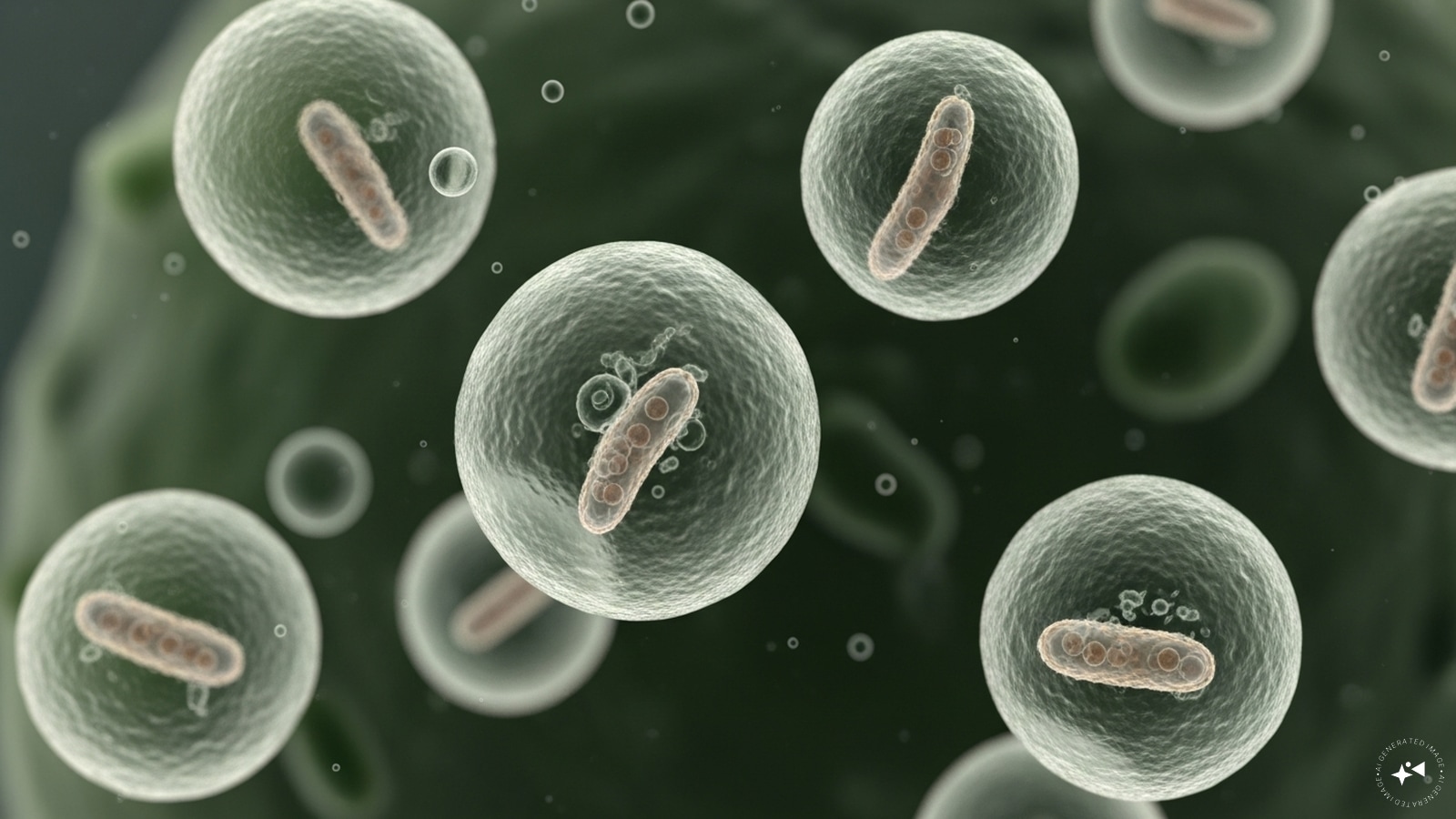
Most people think of Salmonella, E. coli, or Norovirus when stomach issues hit. Those are bacteria or viruses. Cyclospora is a microscopic, single-celled parasite.
When you swallow food or water contaminated with Cyclospora oocysts (the parasite's egg-like form), they don't cause symptoms immediately. It takes about a week—sometimes up to two weeks—for symptoms to start.
Key takeaway: Because incubation takes 2 to 14 days, pinpointing what made you sick is almost impossible. Think about what you ate two Tuesdays ago—most people can't remember.
Timeline of Infection:
[ Day 0: Exposure ] ──> [ Days 2-14: Incubation ] ──> [ Symptoms Begin ] ──> [ Weeks of Flare-ups ]
The symptom profile is distinct:
- Relentless, watery diarrhea (often alternating with constipation)
- Extreme fatigue that lingers for weeks
- Severe bloating, gas, and stomach cramps
- Loss of appetite and unexplained weight loss
- Low-grade fever and nausea
Without proper treatment, symptoms can last for weeks or even months, often waxing and waning in cycles.
Why Traceback Efforts Fail During Produce Outbreaks
Investigating a Cyclospora outbreak is a logistical nightmare for public health agencies like the CDC and FDA.
First, unlike Salmonella or Listeria, whole genome sequencing is not readily available for Cyclospora. Health agencies can't simply take a patient sample, match its DNA fingerprint to a specific farm in minutes, and issue a targeted warning. They have to rely on traditional, manual epidemiological interviews.
Second, the culprits are almost always fresh produce eaten raw. Historical outbreaks point to items like:
- Bagged salad mixes and iceberg lettuce
- Fresh basil and cilantro
- Raspberries and blackberries
- Snow peas
Fresh produce moves through distribution supply chains extremely fast. By the time someone gets sick a week later, sees a doctor, gets tested, and reports it to local health departments, the contaminated batch of lettuce or basil has already been eaten or thrown out.
The Chemical Disinfection Problem
Here is an uncomfortable truth about produce safety: chlorine sprays, fruit washes, and standard chemical sanitizers do not kill Cyclospora oocysts.
The parasite's outer shell is tough. It resists chemical disinfectants, including standard bleach solutions used in industrial processing plants.
Washing produce under clean running water removes some physical dirt and reduces parasite burden, but it isn't 100% effective—even if the package says "pre-washed" or "triple-washed".
If contaminated water is used to irrigate crops or mix agricultural sprays overseas or domestically, the parasite sticks firmly to the sticky outer surface of leaves and rough surfaces of berries.
What You Should Do Right Now
If you are dealing with stomach issues or want to protect your home, skip the generic health advice and take these practical steps.
1. Request the Specific Test
If you have persistent diarrhea lasting longer than a couple of days, go to a doctor and specifically ask for a stool test that includes Cyclospora PCR or specialized acid-fast staining. Routine stool tests (standard ova & parasite panels) frequently miss it.
2. Get the Correct Treatment
Over-the-counter anti-diarrheal meds like loperamide (Imodium) won't clear the parasite. Cyclospora requires a specific prescription antibiotic regimen—typically trimethoprim-sulfamethoxazole (Bactrim/Septra). If you have a sulfa allergy, your doctor will need to prescribe an alternative treatment strategy.
3. Cook Your High-Risk Greens
Heat kills Cyclospora. If an outbreak is active in your region or you are high-risk (immunocompromised, elderly, or pregnant), cook leafy greens, herbs, and produce thoroughly rather than eating them raw.
4. Scrub and Friction Clean
When preparing raw produce, rely on mechanical friction rather than fancy produce sprays. Wash thoroughly under fast-running water while rubbing the surface of firm items with a clean brush. For leafy greens, separate each leaf and rinse individually.
Check local health advisories for recalled produce brands in your state, dispose of any recalled products immediately, and wash your hands thoroughly after handling unwashed produce.