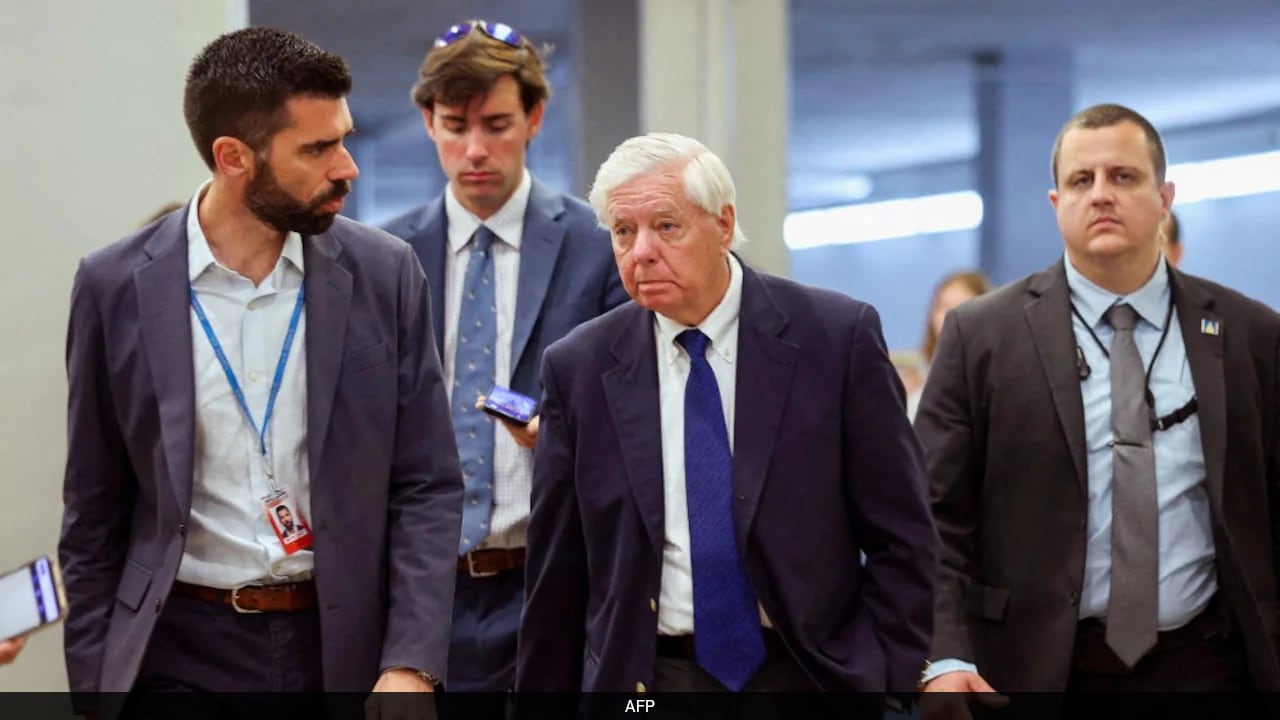
The sudden passing of Senator Lindsey Graham at age 71 caught Washington completely off guard. One minute he’s flying back from Ukraine after striking a massive bipartisan deal on Russian sanctions, and the next, his office announces he died from a sudden aortic rupture. It’s a jarring reminder of how fragile life is, but practically speaking, it throws a massive wrench into the machinery of American foreign policy and the balance of power in Congress.
The preliminary medical examiner report confirmed that Graham suffered an aortic rupture linked to arteriosclerotic cardiovascular disease—basically, hardening of the arteries. He had just turned 71 two days prior. President Donald Trump, who spoke to Graham just hours before his death on Saturday night, noted that the senator sounded tired but otherwise fine.
This isn't just about losing a long-serving politician. It's about losing the key bridge between traditional Republican foreign policy hawks and Trump's America First base.
The Medical Reality of an Aortic Rupture
When people hear "brief and sudden illness," they usually don't think of something as catastrophic as an aortic dissection or rupture. The aorta is the main highway for blood pumping out of your heart. According to data from the Society of Thoracic Surgeons, when the inner layer of this vessel tears or ruptures, the survival rate drops by roughly one percent every hour without surgical intervention.
In Graham's case, the underlying issue was hardening of the arteries, a chronic condition that often flies under the radar until it's too late. Dispatch recordings from his Washington residence noted a call for cardiac arrest. It’s a terrifyingly swift medical emergency that leaves almost no window for treatment when it occurs outside a hospital setting.
The Complicated Metamorphosis of a Trump Ally
You can't talk about Graham without addressing his political evolution. He was famously part of the "Three Amigos" alongside the late Senator John McCain and Senator Joe Lieberman, traveling the globe to advocate for aggressive American military interventionism. Back in 2016, Graham was one of Trump's most vicious critics, calling him "unfit for office" after Trump mocked McCain's military service.
Then, everything changed. Graham pivoted hard, becoming Trump's closest confidant in the Senate, a frequent golf partner, and a fierce defender during his impeachment trials.
"You can be a better critic when people understand that you're trying to help them be successful," Graham famously said in 2018, defending his shift by stating he had an obligation to help the sitting president.
Even after breaking with Trump briefly during the January 6 Capitol riots—delivering a dramatic floor speech where he said "Count me out"—Graham quickly returned to the fold, remaining a core advisor through Trump's current term.
What Happens to the Senate Now
Graham’s death leaves an immediate void in a wobbly Republican Senate majority. He was line to regain the powerful gavel of the Senate Judiciary Committee if the GOP kept the majority in the midterms, a role he previously used to fast-track conservative judges like Amy Coney Barrett.
Here is what the immediate future looks like for his vacant seat:
- The Temporary Appointment: South Carolina Governor Henry McMaster will appoint a temporary replacement to serve until a special election is held.
- The Special Election Scramble: State law dictates a rapid timeline. The filing window opens on July 21, with a special primary scheduled for August 11.
- Potential Contenders: Names like Representative Nancy Mace and Lieutenant Governor Pamela Evette are already swirling as potential candidates to jump into the sudden vacuum.
The foreign policy implications are even more urgent. Just twenty-four hours before his death, Graham announced a massive bipartisan breakthrough to advance long-delayed sanctions against Russia. He was a rare figure who could look Ukrainian President Volodymyr Zelenskyy in the eye on Friday, pledge American support, and then fly back to Washington to manage Trump's instincts. With Graham gone, the future of that sanctions package and the broader strategy regarding the war in Ukraine is suddenly completely up in the air.
If you want to keep tabs on how this alters the balance of power, watch Governor McMaster's upcoming appointment closely. The person chosen to fill Graham's shoes will have a massive say in judicial confirmations and foreign aid bills before the year ends.