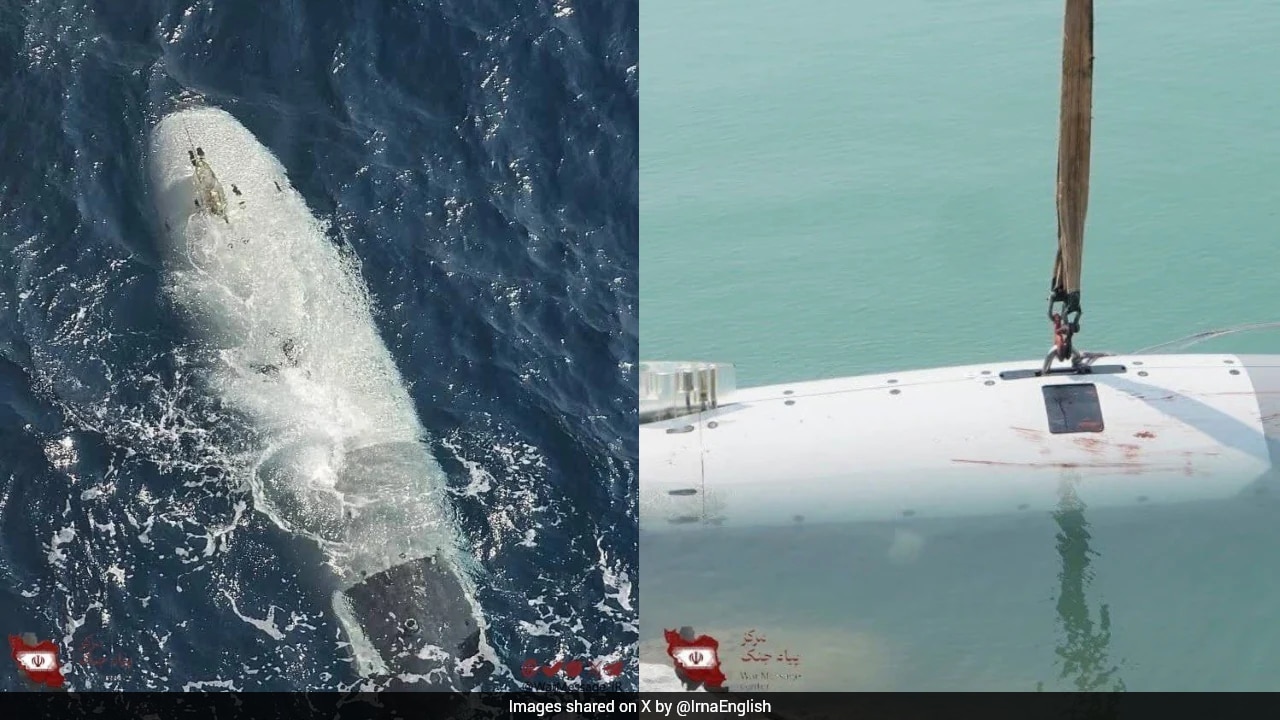
Naval warfare is shifting beneath the waves, and nobody is paying close enough attention. When Iran's Islamic Revolutionary Guard Corps announced they had seized an American unmanned underwater vehicle near the entrance to the Strait of Hormuz, headlines focused on the dramatic optics. They called it a captured US submarine. That label sounds like a crewed nuclear vessel or a traditional attack boat. It wasn't. It was an advanced autonomous drone, specifically identified as a Dive-LD built by Anduril, designed for quiet subsurface surveillance, mine detection, and seabed mapping.
If you think this is just a minor maritime scuffle, look at the timing. This incident didn't happen in a vacuum. It unfolded alongside direct kinetic strikes where US Central Command destroyed five Iranian crude oil tankers linked to the IRGC following attempted attacks on an American warship. Energy markets panicked. Crude prices spiked. Washington and Tehran are locked in a high-stakes standoff over a choke point that carries roughly a fifth of the world's oil. Meanwhile, you can explore related developments here: Why Foreign Fighters Near The Myanmar Border Change Everything For India.
The Reality of Autonomous Subsurface Warfare
Why deploy a Dive-LD into the Persian Gulf? Because navies want eyes and ears where sending human sailors is suicide. These uncrewed systems map critical infrastructure like submarine cables and pipelines while gathering intelligence on adversary ship movements. They are smart, quiet, and expensive.
When the IRGC intercepted and captured the vessel, they didn't just grab a piece of hardware. They captured proprietary American defense tech deployed in a hot conflict zone. The US military has poured massive funding into unmanned naval systems to cut costs and avoid personnel risk. But autonomy comes with a glaring weakness: if a drone gets cornered or malfunctions in hostile waters, it becomes a sitting duck for a local power that controls the coast. To understand the full picture, we recommend the detailed report by Wikipedia.
Tehran's state media wasted no time broadcasting footage of the hardware. They framed it as a major intelligence victory against what they call the US terrorist army. Washington has largely downplayed the loss, but military analysts know that losing modern smart submersibles to an active adversary gives rival nations direct access to cutting-edge acoustic and sensor blueprints.
Why the Strait of Hormuz Remains a Flashpoint
The Strait of Hormuz is narrow, congested, and lethal. Before the current war escalated, about one-fifth of global energy exports passed through its waters daily. Now, it functions as a contested combat zone. Iran has maintained a strict blockade, attempting to charge fees on transiting vessels while threatening regional ports in Bahrain and Kuwait.
The US response has been brutal and immediate. CENTCOM strikes on Iranian tankers show that Washington refuses to let Tehran dictate terms in the Gulf. Yet, asymmetric warfare favors defenders who use cheap speedboats, mines, and drones to harass multi-billion-dollar warships.
Here is what most casual observers miss about these naval clashes. They aren't isolated events. They represent a fundamental test of how automated military hardware performs under real combat pressure. When communication links fail or local naval superiority wins the day, autonomous tech doesn't save the mission. It gets hauled onto a hostile dock for reverse engineering.
What Happens Next in the Gulf
Expect the rhetoric to escalate. US Secretary of State Marco Rubio has made it clear that American forces will not let attacks on naval ships go unanswered, promising further retaliatory blows against Iranian assets. Meanwhile, energy prices will remain volatile as long as tanker traffic faces constant threats of evacuation orders and missile strikes.
You cannot ignore the broader lesson here. Unmanned systems are supposed to keep military operations safe and efficient. In practice, putting high-tech autonomous drones into a blocked, hyper-aggressive chokepoint like Hormuz invites disaster.
Watch the Persian Gulf closely over the coming weeks. The next phase of this conflict won't just be fought with missiles in the sky. It will be decided by who controls the dark, contested waters underneath.
Iran Claims Capture Of US Unmanned Submarine Near Strait Of Hormuz
This video provides direct coverage and visual evidence regarding the reported capture of the advanced American underwater drone by Iranian forces in the Strait of Hormuz.
http://googleusercontent.com/youtube_content/1