You can't just open a chokepoint when the people guarding its gates want a complete rewrite of global power dynamics. The ongoing crisis in the Strait of Hormuz isn't a simple maritime traffic dispute. It is a high-stakes collision between Iranian maximalist demands and Washington's insistence on absolute commercial freedom. If you think a quick diplomatic handshake between regional neighbors is going to solve this overnight, you haven't been paying attention to the ground reality.
The Core Disconnect Between Tehran and Washington
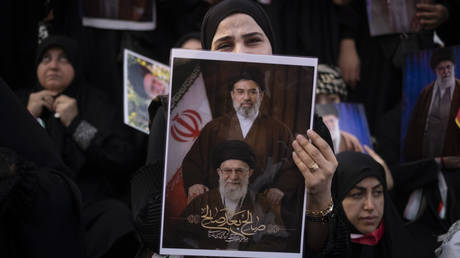
The gap between what Iran wants and what the United States expects is wider than ever. Tehran's Supreme National Security Council laid down an uncompromising list of conditions through state broadcaster statements overseen by figures like Mohammad Bagher Zolghadr. They aren't just talking about shipping lanes.
Iran demands a permanent end to military actions, a total withdrawal of US forces from the region, complete compensation for war damages, the lifting of all economic sanctions, and the unfreezing of billions in assets. From Tehran's perspective, normal commercial transit cannot resume while the military and economic pressure campaign remains active.
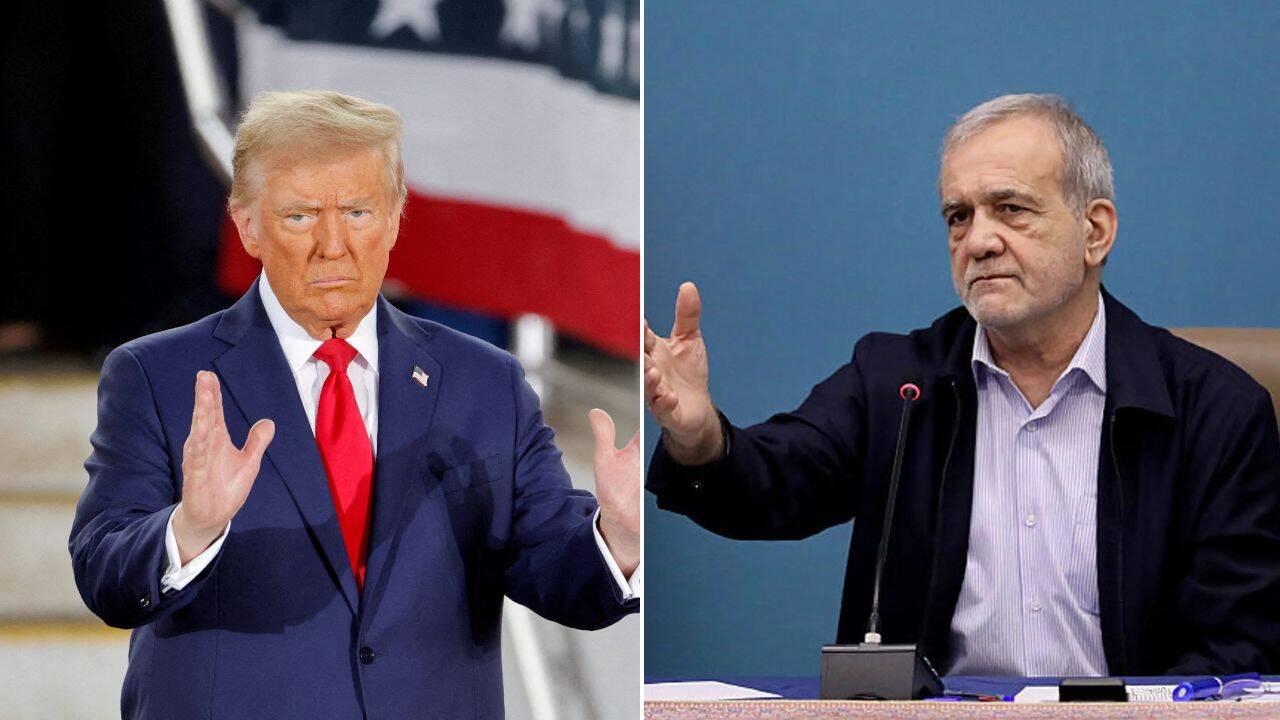
Washington looks at the board entirely differently. The White House and military leadership expect local frameworks—such as potential transit arrangements coordinated with Oman—to govern the waterway before any naval blockades of Iranian ports are lifted. President Donald Trump has maintained that the US Navy effectively controls the enforcement zones, leaving little room for a unilateral surrender to Tehran's sweeping political wishlist.
Why Local Deals Won't Fix Global Supply Lines Alone
Iran has explored independent administrative pathways, including talks with Oman to manage traffic through alternative structures. But Tehran has made it crystal clear that these bilateral arrangements will not automatically translate to a reopened strait.
Commercial operators face a terrifying calculation. Even if diplomatic channels announce a partial reopening, the lingering threat of naval mines, sudden drone strikes, or erratic missile fire keeps risk aversion sky-high. Tanker owners aren't going to risk billion-dollar vessels and crew safety on fragile verbal promises. Recent strikes on commercial vessels near Oman and the broader Gulf show that maritime traffic remains directly in the crosshairs of ongoing regional hostilities.
What It Actually Takes to Reopen the Waterway
Reopening the Strait of Hormuz permanently requires dismantling a decade-deep foundation of mutual distrust.
First, physical safety must be verified. Sweeping a strategic maritime corridor for marine explosives takes weeks of coordinated minesweeping operations that cannot happen under active threat conditions.
Second, enforcement mechanisms need a guarantor that both sides trust, which currently does not exist. As long as US naval blockades squeeze Iranian ports and Iran treats commercial shipping as leverage against regional adversaries, any reopening will remain temporary at best.
Keep an eye on the actual enforcement metrics rather than optimistic diplomatic communiques. Watch whether cargo insurers are willing to write policies for the Persian Gulf without prohibitive war-risk premiums. Until those insurance rates drop, the strait remains closed in practice, regardless of what politicians sign on paper.
BBC News report on the Strait of Hormuz closure and strikes
This video provides visual context on the recent military escalations and commercial shipping disruptions in the Strait of Hormuz.