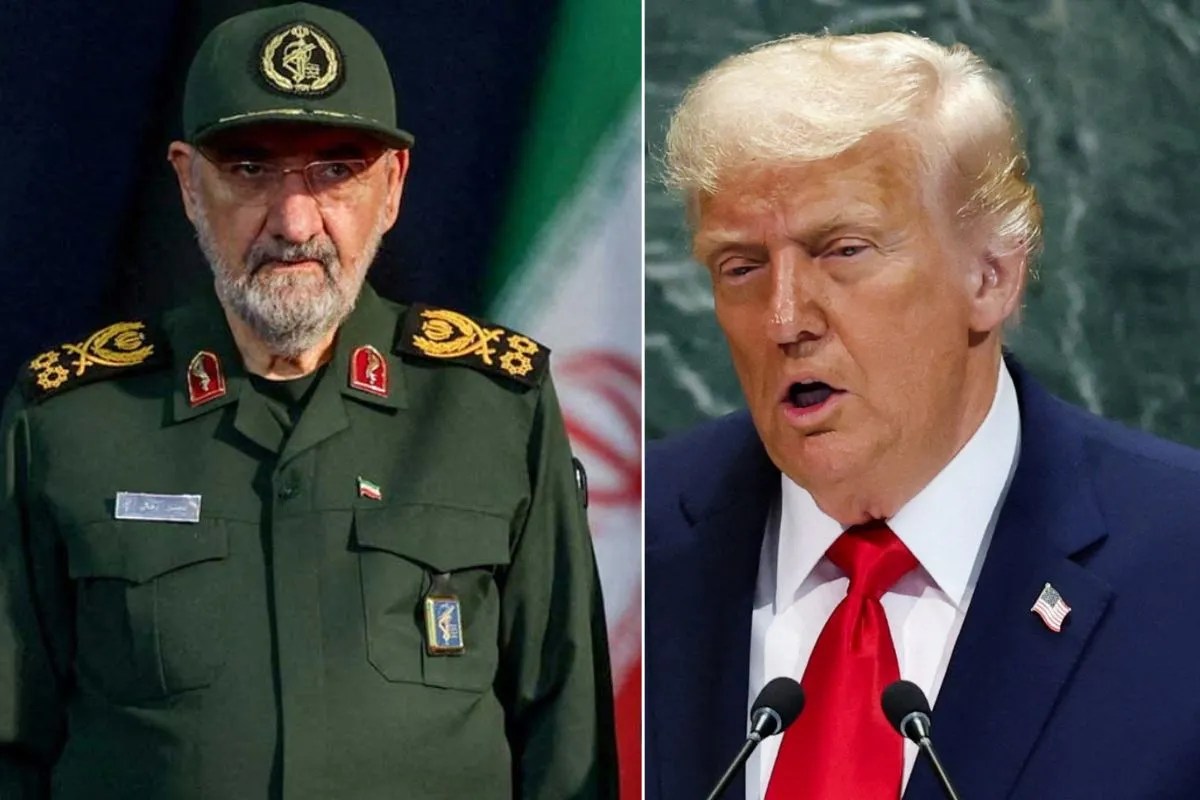
Control over a narrow stretch of water can choke the entire global economy. Right now, that is precisely what is happening in the Persian Gulf. If you are wondering why energy prices keep fluctuating and headlines are dominated by naval movements, it comes down to a stubborn geopolitical deadlock that refuses to ease up.
Tehran hasn't backed down from its stance on the Strait of Hormuz. Iranian officials made it crystal clear that the crucial energy corridor will stay locked down for anyone playing ball with Washington until American and allied behavior undergoes a fundamental shift. Washington isn't blinking either, leaving international shipping caught in the crossfire of a high-stakes maritime standoff.
What is Actually Happening in the Gulf
Let's look past the political posturing. Roughly one-fifth of the world’s petroleum supply normally moves through this narrow waterway. When hostilities flared and the U.S. launched military campaigns against Iranian targets earlier this year, Tehran responded by weaponizing its geographic position.
The Islamic Revolutionary Guard Corps didn't just issue verbal warnings. They laid sea mines, boarded commercial tankers, and fired on vessels attempting to transit through traditional routes. In response, the U.S. Navy established a heavily enforced blockade, escorting approved cargo and attempting to wrench control of the chokepoint away from Iranian forces.
The friction intensified after a temporary ceasefire collapsed in July. Since then, Washington has pushed hard to enforce shipping lanes—even utilizing alternative Omani coastal routes to bypass hostile zones—while Trump went so far as to publicly label the waterway an American-controlled territory. Tehran countered immediately, labeling those claims delusions and insisting that the region will remain a flashpoint as long as foreign interference and economic strangulation continue.
The Real Cost of Closing a Chokepoint
You cannot shut down a global energy artery without immediate, painful consequences. The disruption triggered the worst oil market shock since the 1970s, pushing Brent crude past triple digits during peak escalation phases. Shipping companies have faced brutal choices:
- Pay exorbitant risk premiums to run the gauntlet.
- Reroute vessels entirely, adding thousands of miles and weeks of delay to voyages.
- Halt operations in the region altogether.
Insurance rates for Gulf transits skyrocketed overnight. Crews have found themselves stranded, and regional energy exporters are forced to rely on complex ship-to-ship transfers with transponders turned off just to get oil out to international markets. It's a logistical nightmare that trickles straight down to fuel pumps worldwide.
Why Negotiations Are Stalled
Diplomacy is moving in circles. While indirect talks through intermediaries like Oman occasionally pop up, mutual distrust kills any momentum before it starts.
Washington wants total freedom of navigation, an end to attacks on commercial shipping, and eventual concessions regarding Iran's nuclear infrastructure. Tehran wants sanctions lifted, recognition of its regional sovereignty, and an immediate halt to what it terms economic warfare. Because neither side is willing to grant unilateral concessions, the conflict has devolved into an endurance test.
Iran calculates that maintaining pressure on the strait hurts Western economies enough to force a policy shift. The U.S. calculates that naval dominance and suffocating economic pressure will eventually break Tehran's resolve.
Keep an eye on maritime tracking data rather than official press releases if you want to know how this resolves. The real story isn't what politicians claim on social media; it's how many tankers successfully clear the strait each week and whether alternative shipping lanes can sustainably keep global markets supplied. Until a comprehensive framework replaces the current cycle of retaliation, expect the Persian Gulf to remain on edge.