The Choke Point That Holds the World Economy Hostage
If you're wondering why energy prices keep fluctuating and shipping insurance rates are hitting historic highs, look no further than a narrow strip of water in the Middle East. The Strait of Hormuz isn't just another shipping lane. It's the jugular vein of global energy transport, carrying roughly a fifth of the world's petroleum and liquefied natural gas. When tensions flare here, the shockwaves hit petrol pumps from Mumbai to New York within hours.
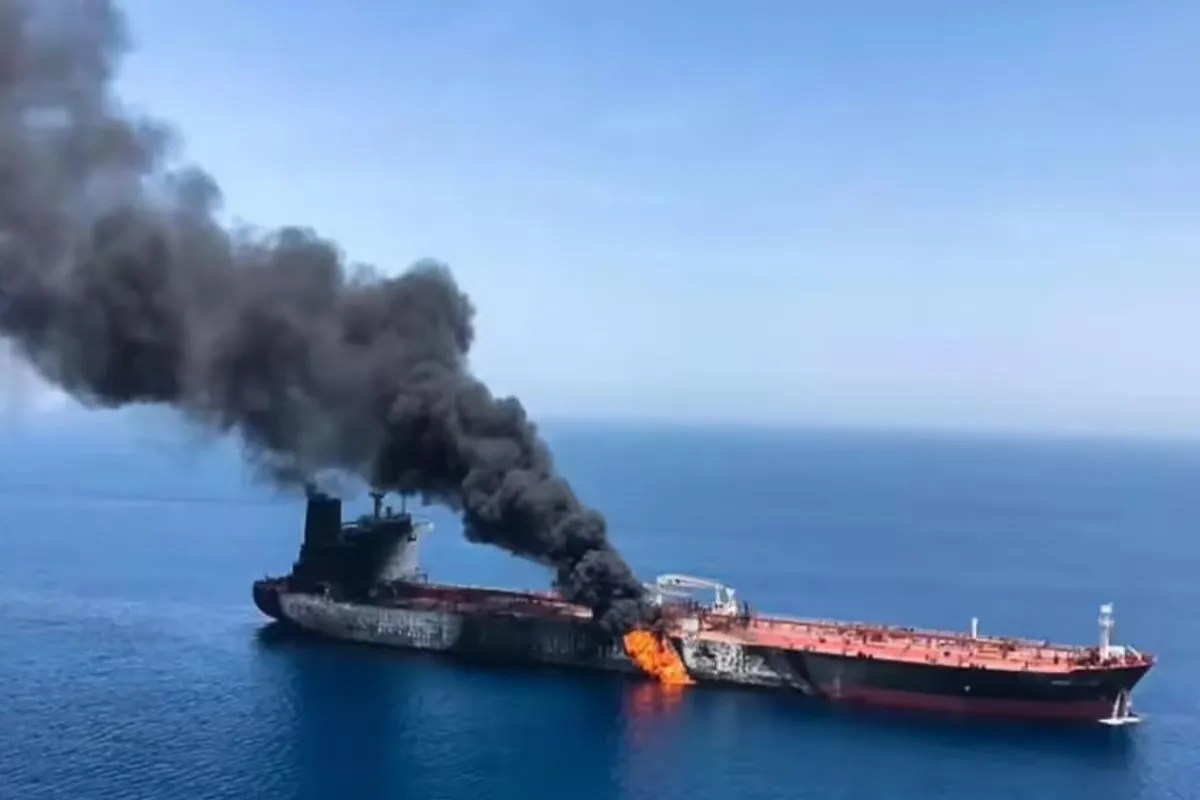
Recent escalations involving US-contracted vessels, Iranian drone strikes, and missile attacks near Omani waters have turned a simmering geopolitical standoff into an active maritime crisis. Let's break down what's actually happening on the ground, cut through the strategic propaganda, and look at why this conflict is rewriting the rules of modern naval warfare.
Anatomy of a Maritime Flashpoint
The mechanics of modern naval confrontation in the Gulf have evolved past traditional carrier battles. Today, asymmetric warfare rules the waves. The recent assault on a US-contracted vessel near the strategic strait, which involved multiple attack drones and precision missiles, underscores how vulnerable commercial shipping has become.
Media reports from security analysts indicate that the strike caused direct structural impacts and minor crew injuries, including smoke inhalation among personnel. Vessels operating in these corridors are no longer safe behind traditional commercial flags.
When you look at the sequence of events, a clear pattern emerges:
- Continuous tracking of regional maritime traffic by coastal surveillance units.
- Deployment of low-cost, long-range loitering munitions to bypass standard radar blankets.
- Direct kinetic strikes on vessels perceived to have logistical ties to Western military operations.
This isn't random aggression. It's a calculated campaign to choke off commercial mobility and impose severe economic costs on Washington and its allies.
Why Washington and Tehran Keep Trading Blows
The roots of the current crisis run deep, stretching back to a series of kinetic exchanges and retaliatory strikes that kicked off earlier in the year. Ever since major military actions reshaped the regional security architecture, Tehran has treated the Strait of Hormuz as a zone of strategic leverage.
The strategy is simple: if Iran can't export its oil freely under heavy international sanctions, it will make sure nobody else moves energy smoothly through its backyard either.
The United States Central Command (CENTCOM) faces an impossible balancing act. Protecting every single commercial container ship and oil tanker transiting the Persian Gulf requires massive naval resources. When the Islamic Revolutionary Guard Corps launches drones or surface-to-surface missiles, American defense assets must react instantly to prevent catastrophic environmental and economic disasters.
Yet, intercepting every incoming projectile drains expensive interceptor missile stockpiles, creating an economic imbalance where cheap drones force the deployment of million-dollar defense munitions.
The Omani Waters Dilemma and Regional Fallout
Oman sits in a precarious geopolitical position. As a traditional diplomatic mediator between Western powers and Iran, Muscat tries to maintain strict neutrality. However, when burning tankers and disabled ships drift toward Omani territorial waters or require emergency towing, neutrality gets tested to its absolute limits.
The recent targeting of vessels near Oman's coastline highlights how the conflict is bleeding outward, threatening neutral neighbors who want nothing to do with the Washington-Tehran rivalry. Regional ports are grappling with injured crew members, insurance cancellations, and maritime delays that strand vital cargo.
Insurance underwriters have reacted predictably. War risk premiums for voyages through the Persian Gulf have surged, forcing shipping lines to either absorb astronomical costs or abandon the route entirely. Consumer goods, manufacturing inputs, and chemical shipments all feel the squeeze.
What Most Analysts Miss About the Hormuz Blockade
Most mainstream commentary treats these skirmishes as isolated incidents. They aren't. They represent a fundamental shift in how regional powers project force without triggering an all-out conventional war.
By using proxy tactics, drone swarms, and targeted missile harassment, Iran maintains plausible deniability while keeping international pressure high. Meanwhile, the US response—ranging from defensive interceptions to strikes on coastal radar installations—demonstrates Washington's refusal to let the corridor close permanently.
Yet, neither side wants a full-scale regional conflagration. A total closure of the Strait of Hormuz would instantly trigger a global economic depression, drawing in regional heavyweights like Saudi Arabia and the UAE, who depend on these exact same shipping lanes for their economic survival.
This creates a high-stakes game of chicken where both sides push right up to the edge of the abyss, testing each other's resolve through proxy clashes at sea.
Navigating the Uncertainty Ahead
If you're tracking global markets, supply chains, or international security, ignoring the Persian Gulf is a luxury you don't have. The reality on the water is volatile, unpredictable, and entirely dependent on diplomatic channels that remain dangerously fragile.
Keep a close eye on insurance rate adjustments and direct statements from maritime security agencies rather than political rhetoric. The situation in the strait won't resolve itself through simple deterrence. Until a durable diplomatic framework addresses the underlying economic and security grievances of all parties involved, the waters near Hormuz will remain one of the most dangerous places on earth for anyone carrying a cargo manifest.