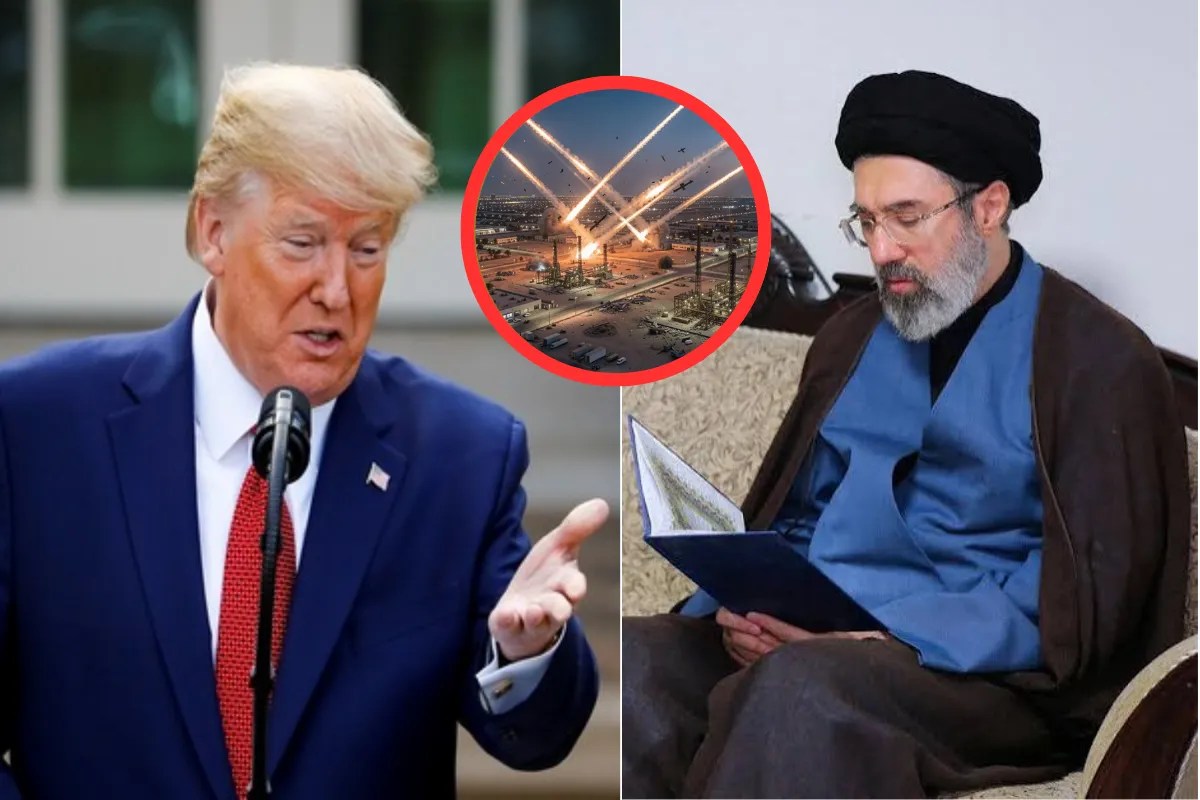
When an embassy drops internet slang like “Habibi, Uncle Sam, come to Iran” while warships skirt maritime mines, you know modern diplomacy has officially entered uncharted waters. The confrontation isn't just about naval maneuvers or dramatic social media taunts posted by diplomatic missions. It is a calculated stress-test of global trade resilience, forcing major economies to rethink energy security overnight.
Let's talk about why the Strait of Hormuz is the single most terrifying chokepoint on planet Earth, and why recent developments in West Asia are sending shockwaves far beyond regional borders. In related updates, read about: What The Jason Arday Inquiry At Cambridge Actually Needs To Solve.
The Geography of Economic Vulnerability
If you close your eyes and point at a map of global oil flows, your finger will likely land right on the Strait of Hormuz. This narrow waterway handles a massive chunk of the world's petroleum liquids consumption. When tensions spike here, the global economic pulse skips a beat.
Recent shipping data from Kepler paints a grim picture of operational disruption. While daily traffic normally hovers around a steady rhythm of 15 or more commercial vessels, recent figures dropped sharply. On a single Thursday, just four cargo ships dared to navigate the corridor: two medium-range oil tankers, one large Kamsarmax tanker, and a handy-size vessel. That isn't a slowdown; that's a near-complete maritime freeze. BBC News has provided coverage on this critical subject in extensive detail.
The core flashpoint centers around maritime mining allegations and naval countermeasures. Washington insists that international sea lanes remain clear of underwater hazards, threatening swift retaliation against any vessel or craft attempting to re-lay mines. Tehran, meanwhile, matches military posturing with psychological warfare, turning diplomatic channels into meme-tier taunts aimed squarely at American leadership.
How Global Powers are Responding
Major trading nations caught in the crossfire cannot afford to sit on the sidelines. Take South Korea, for instance. Heavily dependent on uninterrupted energy imports and semiconductor manufacturing supply chains, Seoul finds itself walking a tightrope.
South Korean officials are actively weighing military participation options to secure commercial shipping lanes through the corridor. Yet, bureaucratic friction and complex bilateral negotiations with Washington complicate matters. Security talks aren't happening in a vacuum; they overlap with tense negotiations over high-tech industrial supply chains and semiconductor production quotas.
When energy corridors constrict, the pressure hits consumer prices within days. Refineries across Asia and Europe absorb higher input costs, transferring inflationary pain straight to the end consumer.
The Broader Escalation Matrix
We aren't just looking at isolated naval skirmishes. The current standoff connects directly to a broader network of regional friction points. From maritime insurance spikes to rerouted shipping schedules around the Cape of Good Hope, the financial toll of avoiding the Persian Gulf accumulates daily.
Insurance underwriters have raised war-risk premiums for vessels entering the Persian Gulf to staggering heights. Shipowners must now calculate whether the profit margin of a voyage justifies the catastrophic risk of running afoul of regional naval patrols or underwater ordnance.
What This Means for the Future of Maritime Security
The escalation in the Strait of Hormuz exposes a fundamental fragility in post-war globalization. For decades, the assumption was that open sea lanes would police themselves under a unipolar security umbrella. That era is fading fast.
As middle powers like South Korea scramble for independent operational plans, and as diplomatic missions trade sarcastic barbs online, militarized commercial corridors are becoming the new normal. If you're running supply chains that rely on West Asian energy exports, relying on historical stability is no longer an option.
Diversify your energy sourcing portfolio now, audit your logistics exposure to regional choke points, and stop treating geopolitical risk as a distant abstract concept.