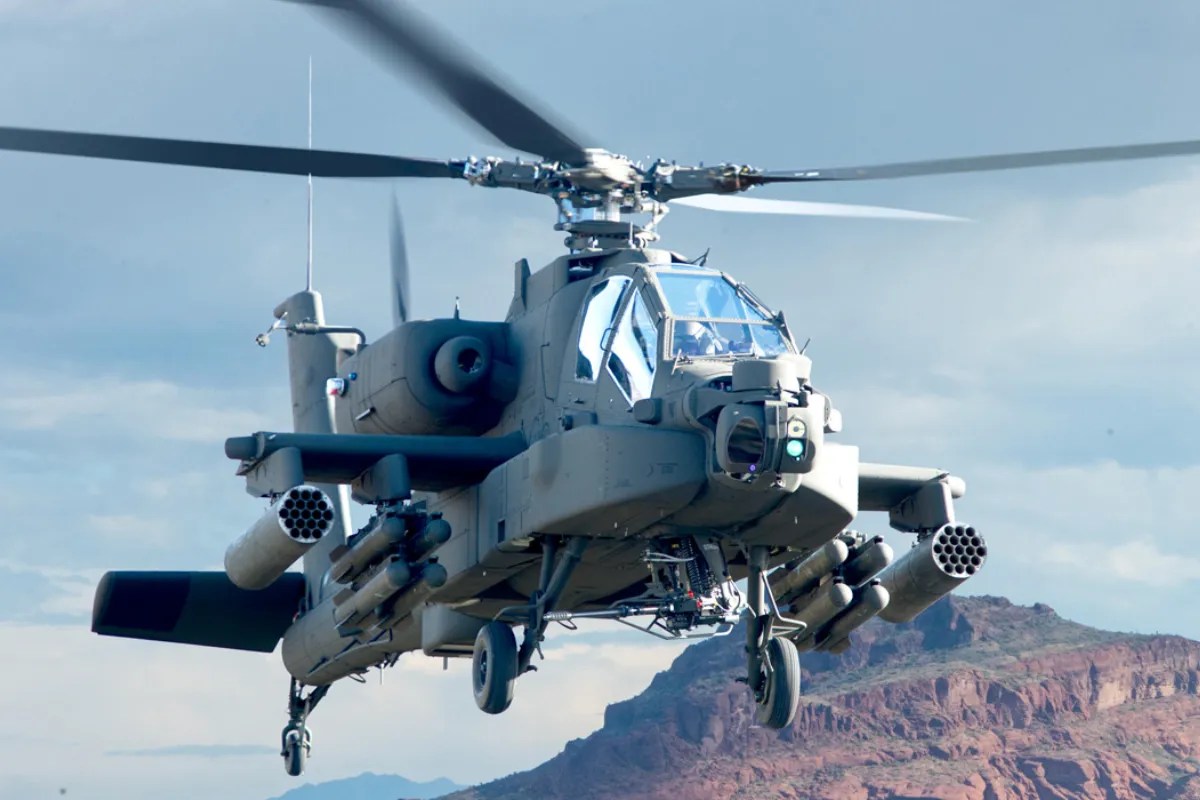
An Army AH-64 Apache attack helicopter goes down in pitch-black darkness off the coast of Oman. It's 3:00 AM. The water is choppy, and you're floating near the Strait of Hormuz—one of the most heavily contested, volatile chokepoints on the planet. Historically, this meant spinning up a massive, vulnerable combat search and rescue (CSAR) operation. It meant risking more human lives, flying manned choppers into potential hostile fire, and praying you spot the pilots before the currents or an enemy patrol gets to them.
Not this time.
The US military just pulled off something that sounds straight out of a sci-fi novel. Instead of a traditional crewed rescue boat or chopper, a 24-foot robotic boat slipped through the water, located the two downed pilots, and hauled them in. It's the first time in military history an unmanned surface vessel (USV) has successfully executed a real-world personnel recovery mission.
If you think drones are just for surveillance or dropped explosives, think again. This single event changes how we think about emergency response in high-threat environments.
The Secret Weapon in the Gulf of Oman
The hero of this story isn't a human navy seal. It's a sleek, autonomous boat called the Corsair, built by a maritime tech company called Saronic.
The US Navy's 5th Fleet has a specialized group in Bahrain called Task Force 59. They've spent the last few years experimenting with artificial intelligence and uncrewed tech, trying to figure out how to patrol massive stretches of water without burning through human crews. In late March, they started fielding the Corsair drone boat directly in the Middle Eastern theater.
Let's look at what this little robotic speedboat brings to the table:
- It's a 24-foot autonomous vessel.
- It can carry up to 1,000 pounds of weight.
- It has a range of over 1,000 nautical miles.
- It tops out at speeds over 35 knots.
When the Apache went down, Central Command (CENTCOM) didn't send a massive warship that would make an easy target for Iranian anti-ship missiles. They looked at what asset was closest and most capable. The Corsair drone boat was already nearby on patrol. It utilized a mix of radar, onboard cameras, and satellite communications to pinpoint the pilots. Within two hours, the drone found them, pulled them out of the water, and transported them to a safer maritime location where a traditional helicopter could safely hoist them up.
The Strained Ceasefire and the Political Fallout
This wasn't a routine training exercise gone wrong. The crash happened against the backdrop of an incredibly fragile ceasefire between the US, Israel, and Iran. The region has been a powder keg, with periodic missile strikes and drone skirmishes threatening to collapse the peace daily.
Naturally, a downed high-tech attack helicopter instantly triggered panic. What exactly caused the Apache to drop into the sea remains under investigation, but political statements are already flying.
Speaking on the tarmac at John F. Kennedy International Airport after watching the NBA Finals, President Donald Trump initially told reporters that the pilots were totally fine and uninjured. But shortly after, Trump took to Truth Social with a much more aggressive stance. He claimed Iranian forces shot down the Apache over the Strait of Hormuz and stated that the United States must respond to the attack.
CENTCOM has been a bit more measured, stating the pilots are in stable condition and refusing to officially blame Iranian fire or mechanical failure until the investigation wraps up. Whether it was a technical glitch or an hostile act, the incident demonstrates why having an unmanned asset do the dirty work of rescue is a massive advantage.
Flipping the Cost and Risk Equation
To understand why this is a big deal, you have to look at how vulnerable traditional combat search and rescue has become. During a high-intensity fight against a capable adversary, sending a multi-million dollar manned helicopter into heavily defended airspace to look for downed pilots is incredibly risky. You risk losing the rescue crew, too.
The military has been desperate for solutions to this problem. Drone boats like the Corsair can be pre-positioned across a massive body of water in a distributed network. They don't get tired, they don't bleed, and they cost a tiny fraction of a crewed ship or helicopter.
Just last month, Vice Admiral Brad Cooper noted that the US military has been intentionally flipping the cost curve in the region by deploying lower-cost autonomous tech, forcing adversaries to burn their expensive stockpiles of interceptors. Winning a modern conflict isn't just about who has the biggest bombs; it's about who can manage their economic and human resource burn rate more efficiently.
What Happens Next
The Navy awarded Saronic a $392 million production contract for these Corsair drone boats just six months ago. That's lightning-fast for military procurement. This successful rescue guarantees we're going to see an absolute explosion of funding and deployment for autonomous search and rescue tech.
If you're tracking the future of defense technology, keep your eyes on Task Force 59's next moves. They recently launched a much larger 180-foot autonomous ship called the Marauder, designed for longer-range missions. The era of the ghost fleet isn't coming in a decade. It's already operating in the Persian Gulf, and it's saving lives.


