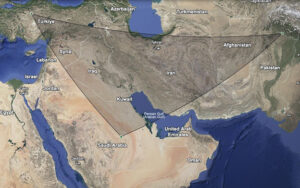
The world is bleeding energy, and Washington's diplomatic toolkit is completely empty. When the Strait of Hormuz grinds to a halt under the weight of regional conflict and blocked shipping lanes, the shockwaves hit every corner of the global economy. Enter the expanded BRICS bloc, now accounting for roughly 40 percent of global gross domestic product.
With a high-stakes summit scheduled for September 12 to 13, people are asking a simple question: Can heavyweights India and China finally stop staring each other down long enough to rally the bloc and fix the energy nightmare?
Don't hold your breath. The honest truth is that BRICS was built for trade declarations, not emergency military interventions or high-seas crisis management. If you think an 11-member economic club can easily step in where decades of Western diplomacy failed, you are ignoring how international power actually works.
Why the Energy Chokepoint is Breaking the Mold
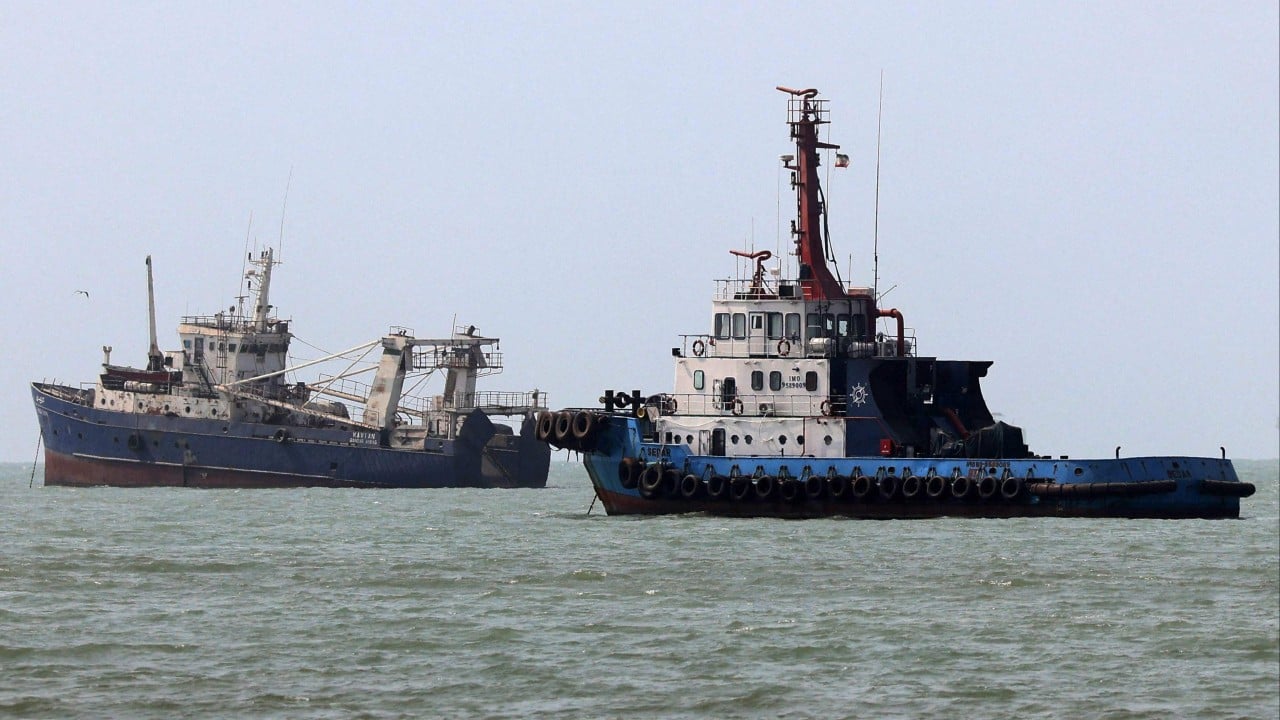
Energy markets are panicking because the Hormuz corridor isn't just another shipping lane. It's the jugular vein of global oil supply. When tankers get targeted and insurance rates skyrocket past viable limits, economies from Tokyo to Frankfurt feel the squeeze instantly.
The United States has tried and failed to bully its way to a stable reopening, leaving a massive diplomatic vacuum. Oman-led backchannel talks have floated potential regional compromises, but they lack the heavy enforcement teeth required to make anything stick.
This is where optimists look toward Beijing and New Delhi. Both capitals depend heavily on imported Middle Eastern crude to keep their industrial engines humming. If India and China can bridge their deep bilateral distrust, they possess the economic leverage to back alternative peace frameworks, possibly supporting Oman's ongoing diplomatic push.
The Core Contradictions Inside the Bloc
Expecting a unified front from BRICS misunderstands the fundamental nature of the group. It's not a military alliance like NATO. It's a loose coalition of convenience.
Look at the membership list. Iran is inside the tent as a full member. At the same time, major buyers like India have complex, multi-layered security alignments that pull them in opposite directions. Beijing maintains deep economic ties with Tehran while trying to preserve its broader commercial footprint across the entire Gulf.
India walks an even tighter rope. New Delhi has spent years expanding strategic and defense partnerships with Western nations while trying to source cheap energy wherever it can find it. Asking these two Asian giants to suddenly orchestrate a complex maritime rescue mission in the Persian Gulf is diplomatic fantasy.
What China and India Actually Want
Geopolitics rarely operates on pure altruism. Beijing views the current Middle East instability through the lens of long-term strategic competition with Washington. A prolonged, managed crisis in the Gulf ties down American military resources and tests Washington's staying power, even if it hurts Chinese energy import costs in the short term.
India's primary goal is self-preservation. New Delhi needs oil prices to stabilize immediately to prevent domestic inflation from spiraling out of control. Indian policymakers don't want to get dragged into a messy security architecture dominated by rival powers. They want open lanes and predictable shipping, period.
Because their baseline interests diverge so sharply, finding consensus at the upcoming summit will be brutal.
Navigating the Realities of Multipolar Diplomacy
If you are tracking how this crisis impacts global trade and your own financial exposure, you have to look past the official press releases coming out of the summit.
- Watch the bilateral sideline meetings between Indian and Chinese delegations in September for any real movement on border trade or logistics corridors.
- Track secondary shipping workarounds, such as overland bypass routes and alternative Red Sea corridors, which are seeing increased traffic as companies abandon the Persian Gulf entirely.
- Ignore sweeping announcements about alternative currency payments or joint security pacts; BRICS lacks the institutional framework to enforce military security on the water.
The upcoming summit isn't going to magically solve the Strait of Hormuz crisis. Instead, it will expose the hard limits of what a multipolar economic club can achieve when bullets are flying and oil is scarce. Focus on bilateral energy deals and localized ceasefires instead of waiting for a grand rescue from the Global South.