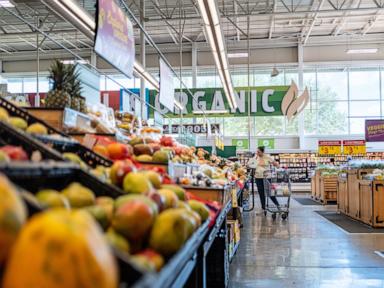
We’ve been taught that the alphabet is a neutral sequence of sounds, but in the brutal ecosystem of high-stakes commerce, certain letters carry a disproportionate weight of psychological and operational power. You probably think the dominance of specific retailers is a fluke of timing or founder grit, yet a strange pattern emerges when you look at the titans of the checkout line. From the pharmacy aisles to the discount racks, Stores That Begin With R have quietly built a hegemony based on the "Red Brand" psychology that dictates how humans perceive reliability and speed. It’s not just a coincidence that many of the world’s most resilient supply chains start with this specific vibration. It’s a calculated alignment between phonetic branding and the cold, hard logistics of the modern warehouse.
Most shoppers assume that brand loyalty is about the product or the price point, but it's actually about the cognitive ease of recognition. When we see a familiar letterplate from a highway exit, our brains perform a lightning-fast shortcut. The letter R, with its strong vertical spine and forward-leaning leg, communicates a sense of movement and stability that other letters lack. This isn't just marketing fluff; it’s a design principle that has allowed these specific giants to survive the retail apocalypse that claimed so many others over the last decade. While "B" and "S" retailers have struggled to find their footing in the e-commerce shift, this particular group has doubled down on their physical presence and turned their storefronts into distribution hubs.
The Logistics Behind Stores That Begin With R
The true genius of this segment of the industry doesn't live on the shelves; it lives in the invisible mesh of the supply chain. If you look at the infrastructure of a company like Rite Aid or Ross, you see a masterclass in local density. Skeptics argue that these businesses are just lucky beneficiaries of prime real estate acquired decades ago. They claim that any letter could have succeeded if they’d just bought the right corner lot in 1985. That view misses the forest for the trees. The "R" brands didn't just buy real estate; they pioneered the hub-and-spoke model of distribution that allows them to refresh inventory faster than their competitors. They understood that in the age of instant gratification, the store isn't a destination—it’s a localized warehouse.
Think about the way Ross Stores manages its inventory. They don't follow the traditional retail calendar. Instead of betting on what people will want six months from now, they engage in opportunistic buying, snapping up excess merchandise from other brands and moving it through their system with terrifying efficiency. This "treasure hunt" experience is built on a foundation of logistics that smaller players simply can't replicate. While other retailers were busy building fancy websites, these giants were perfecting the art of the cross-dock. They moved goods from the delivery truck to the sales floor without ever letting them sit in a backroom. It's a high-velocity game where the slightest friction means death, and these companies have polished their operations until they’re frictionless.
The power of the letter R also extends into the grocery and home improvement sectors. When you walk into a REI or a Ralphs, you're entering an environment that has been optimized for a specific type of high-frequency interaction. These aren't places where you linger over a coffee; they're places where you fulfill a need and move on. That speed is a feature, not a bug. By focusing on the "Replenishment" aspect of retail—the constant cycle of needing more soap, more bread, or more screws—they’ve insulated themselves against the volatility of fashion and luxury markets. They aren't selling dreams; they’re selling the continuity of daily life.
Phonetic Branding and the Reliability Factor
There is a deep-seated linguistic reason why Stores That Begin With R feel more permanent than their competitors. In many languages, the "r" sound is produced with a strong, resonant vibration that suggests energy and endurance. Branding experts like those at Interbrand have long noted that hard consonants at the start of a name help a company stick in the memory. When a consumer is stressed or in a hurry, they gravitate toward the name that feels the most solid. It’s a primal response. We don't want a "soft" brand when we have a flat tire or a sick child; we want something that sounds like it has a spine.
This reliability factor is what allowed RadioShack to stay relevant for decades longer than it probably should have. Even as the technology it sold became obsolete, the name itself carried a legacy of expertise and availability. You didn't go there because it was the cheapest; you went there because you knew exactly what they had. That predictability is the ultimate currency in a world where everything feels increasingly chaotic. When we see that specific initial on a storefront, we’re being promised a standard of service that has been baked into the brand’s DNA through years of repetition.
The opposition will tell you that names don't matter as much as data, but data is just a reflection of human behavior. If a name makes a person 2% more likely to turn their steering wheel toward a parking lot, that 2% compounds over thousands of locations and millions of transactions. It becomes a self-fulfilling prophecy. The more successful a brand becomes, the more it can invest in the very logistics that make it reliable, further cementing its position at the top of the food chain. It’s a virtuous cycle of branding and execution that few other phonetic groups have managed to master.
Surviving the Digital Pivot
While the media was busy writing obituaries for brick-and-mortar shops, the R-brigade was quietly digitizing their back ends. They didn't try to become Amazon clones. Instead, they used their existing physical footprints to solve the "last mile" problem that plagues online-only retailers. When you order something from a major pharmacy chain or a home goods store, that item isn't coming from a massive warehouse three states away; it’s often being pulled from a shelf just five miles from your house. This localized fulfillment is the secret weapon of the modern retail landscape.
I’ve watched as these companies transformed their stockrooms into mini-fulfillment centers. They’ve equipped their employees with handheld devices that turn every worker into a professional picker. This shift hasn't been easy. It required a complete overhaul of how they track inventory in real-time. If a system says there are three bottles of detergent on the shelf, there better be three bottles there when the DoorDash driver arrives. The margin for error has shrunk to almost zero. Yet, because these companies already had a culture of high-velocity inventory management, they were better prepared for this shift than the lumbering department stores of old.
The sheer scale of this operation is hard to wrap your head around. We're talking about billions of data points being processed every second to ensure that the right product is in the right place at the right time. It’s a feat of engineering that rivals anything coming out of Silicon Valley, but because it happens behind a storefront with a familiar name, we take it for granted. We see a sign, we walk in, we get what we need, and we leave. We don't see the thousands of algorithms working to make that simple interaction possible.
The Myth of the Generalist Retailer
For a long time, the prevailing wisdom was that "bigger is better." The goal was to be a generalist who sold everything to everyone. But the history of Stores That Begin With R shows that specialization is actually the more sustainable path. Whether it's the outdoor gear of REI or the deep-discount apparel of Ross, these companies have succeeded by owning a specific niche and defending it with fanatical intensity. They don't try to be everything to everyone; they try to be the absolute best at one specific thing.
This focus allows them to build deeper relationships with their customers. A person who shops at a specialty outdoor co-op isn't just buying a jacket; they’re participating in a community. That sense of belonging creates a moat that is very difficult for a generalist to cross. You can't simulate expertise with a generic algorithm. You need people who actually know the difference between various types of climbing rope or which fertilizer is best for a specific type of grass. By investing in specialized knowledge, these retailers have made themselves indispensable to their core audience.
Skeptics might point to the rise of big-box generalists as proof that specialization is dead. But look closer at those generalists, and you’ll see they’re often just a collection of specialized departments under one roof. The most successful ones have basically copied the playbook of the "R" retailers, creating "stores within a store" that mimic the expertise and atmosphere of a specialist. It’s a form of flattery that proves the specialist model was right all along. If you want to survive in the long run, you have to stand for something specific. You have to be the go-to destination for a particular need.
The Psychology of the Red Brand
There's no ignoring the fact that many of these iconic brands use red as their primary color. From the bold lettering of a pharmacy sign to the bright accents of a discount clothing chain, red is the color of urgency and action. It triggers a physical response in the human body, increasing the heart rate and creating a sense of excitement. When combined with the strong phonetic start of the letter R, you get a brand identity that is almost impossible to ignore. It’s a visual and auditory "pounce" that grabs the consumer's attention and doesn't let go.
This isn't just a happy accident of design history. These companies have spent millions of dollars on eye-tracking studies and psychological profiles to understand how people react to their signage. They know that red stands out against the gray of the pavement and the blue of the sky. It’s the color of a stop sign and a fire engine. It demands a response. By aligning their visual identity with the natural vibrations of their name, these retailers have created a cohesive psychological package that bypasses our rational minds and speaks directly to our instincts.
We like to think of ourselves as rational actors who make decisions based on price and quality, but the truth is much messier. We’re influenced by a thousand subtle cues that we don't even realize we’re processing. The curve of a letter, the shade of a logo, the way a name feels in our mouths—all of these things contribute to our sense of a brand’s value. The retailers who understand this are the ones who thrive, while those who ignore the "soft" side of branding eventually find themselves obsolete. It's not just about what you sell; it's about how you make people feel when they see your name.
The Future of Physical Presence
The final lesson we can learn from this group of retailers is that physical space still matters. In a world that is increasingly digital, the ability to touch, feel, and immediately take possession of a product is a massive competitive advantage. These companies haven't run away from their stores; they’ve reimagined them. They’ve turned them into showrooms, service centers, and community hubs. They’ve recognized that the human need for physical interaction isn't going away anytime soon.
If you look at the way these brands are expanding, you don't see them opening massive, 100,000-square-foot behemoths in the middle of nowhere. Instead, you see them moving into smaller, more flexible spaces in urban centers. They’re becoming part of the fabric of the neighborhood again. They’re realizing that convenience is the ultimate luxury, and being located where people actually live and work is more important than having the biggest selection on the planet. This shift toward "micro-retail" is the next frontier, and the brands that already have a strong, recognizable identity are the ones best positioned to lead the way.
We’re moving toward a future where the line between online and offline shopping disappears entirely. You might start a purchase on your phone while sitting on the bus and finish it by picking up the item at a store three blocks away. This "omnichannel" approach is only possible if you have a physical network that is as agile as your digital one. The retailers we’ve been discussing have spent years building exactly that kind of network. They’ve done the hard work of integrating their systems and training their staff to handle a new kind of commerce. While everyone else was chasing the latest tech fad, they were building the infrastructure of the future.
The alphabet might seem like a random assortment of symbols, but in the world of commerce, it’s a map of power and influence. The next time you’re driving down a commercial strip and you see those familiar red signs, don’t just think of them as places to buy things. Think of them as the nodes of a global network that has mastered the art of being exactly where they need to be, right when you need them to be there. They’ve survived through a combination of phonetic strength, psychological manipulation, and logistical brilliance. You didn't choose them by accident; they've been designing your preference for generations. The true power of a brand isn't found in its advertisements, but in its ability to become an invisible, essential part of your daily routine.