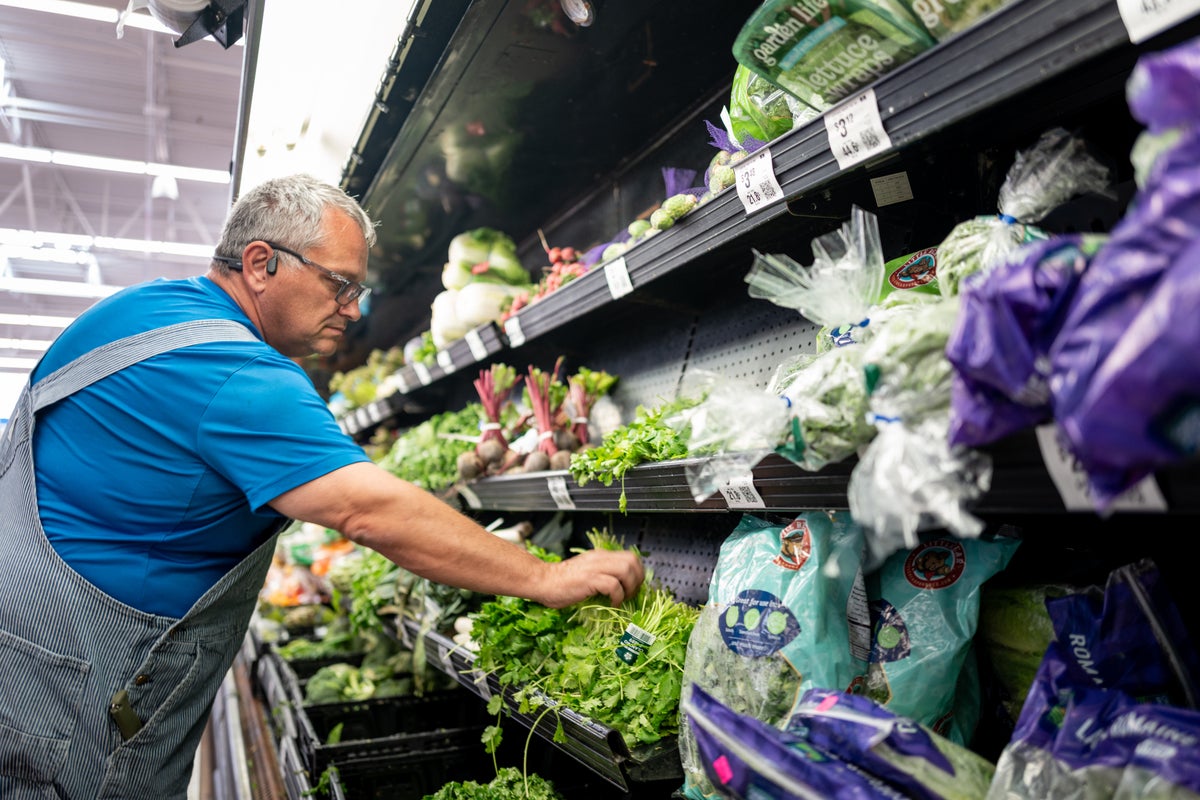
Fear makes people do weird things with their grocery carts. Right now, a massive foodborne parasite wave has hit the United States, sickened over 16,000 people across 40 states, and hospitalized at least 300 individuals.
How are shoppers reacting? By abandoning the produce aisle entirely.
A recent CBS News and YouGov poll reveals that roughly 40 percent of Americans are actively buying or eating fewer fresh fruits and vegetables due to the ongoing cyclospora outbreak. Panic is winning over logic. Let's look at why ditching vegetables is a massive overreaction that harms your body far more than a temporary bug.
What is Cyclospora and Why is Everyone Freaking Out?
Cyclosporiasis is an intestinal infection caused by Cyclospora cayetanensis, a microscopic single-celled parasite. When you ingest contaminated food or water—typically traced back to fresh greens like iceberg lettuce, cilantro, or parsley—the parasite sets up shop in your small intestine.
The symptoms are brutal. Victims experience explosive diarrhea, persistent fatigue, severe stomach cramps, low-grade fevers, and rapid dehydration. It takes about a week after consumption for symptoms to kick in, and without antibiotics like trimethoprim-sulfamethoxazole, the misery can linger for weeks or even months.
Michigan alone bore the brunt of the shock wave with more than 9,200 reported cases, turning a localized health worry into a national headline. Naturally, consumers got spooked. Headlines blare details about recalls and shifting federal guidance, leaving shoppers unsure of what is safe to toss into their shopping baskets.
The Nutritional Cost of Panic Buying Habits
Here is the hard truth most people miss. Avoiding fresh produce to dodge a parasite creates a different, much larger health crisis.
Nutrition experts note that Americans already fail miserably at daily dietary recommendations. Roughly 90 percent of adults eat too few vegetables, and 80 percent fall short on fruit intake. Pulling fresh produce off your plate out of fear cuts you off from essential fiber, antioxidants, and vitamins that keep your immune system sharp.
Long-term vegetable avoidance leads to creeping weight gain, compromised gut flora, elevated heart disease risks, and a higher overall chance of premature death. Trading a temporary gastrointestinal bug for long-term chronic illness makes zero medical sense.
Public health professionals are pleading with the public to keep things in perspective. The number of people sickened—while high for an outbreak—still represents a fraction of a percent of the millions who safely eat fresh fruits and vegetables every single day.
How to Protect Yourself Without Starving Your Body of Nutrients
You don't need to live on processed snacks to stay safe. Smart food handling drastically cuts down your risk of catching cyclosporiasis without forcing you to abandon healthy eating habits.
- Follow active recalls: Pay attention to specific public health warnings issued by the FDA or state agencies instead of blanketing all greens as dangerous. If a specific brand or region is flagged, throw those items out immediately.
- Wash thoroughly under running water: While standard washing cannot completely eliminate the microscopic cyclospora parasite—especially on textured surfaces like herbs or rough-skinned vegetables—it remains a vital first line of defense against dirt and other pathogens.
- Cook when in doubt: If an outbreak makes you deeply nervous about raw salads, pivot toward cooked vegetables. Heat of 158 degrees Fahrenheit kills the parasite instantly. Steam your greens, roast your root vegetables, or toss veggies into warm stir-fries.
- Maintain kitchen hygiene: Wash your hands and kitchen surfaces frequently. Cyclospora spreads through microscopic traces of human waste contaminating water supplies used for crop irrigation. Basic sanitation stops secondary spread in your own kitchen.
The risk from any single outbreak is statistically small compared to the proven, everyday dangers of a poor diet. Wash your produce, watch for official recall notices, and keep eating your greens.
Cyclospora diarrhea outbreak in US linked to eating fresh food | DW News
This video provides an expert epidemiological breakdown of how the cyclospora parasite spreads and offers practical advice on food safety during the outbreak.
http://googleusercontent.com/youtube_content/1