When sixty thousand people cross a border into a tiny European enclave in less than twenty-four hours, you aren't watching a spontaneous migration wave. You're watching a geopolitical chess match.
The chaos at Ceuta exposed a brutal reality. Human lives were treated as disposable leverage in a high-stakes diplomatic standoff between Morocco and Spain. Let's look past the surface headlines. What actually happened on the ground reveals a disturbing pattern of cynical manipulation.
The Anatomy of a Manufactured Surge
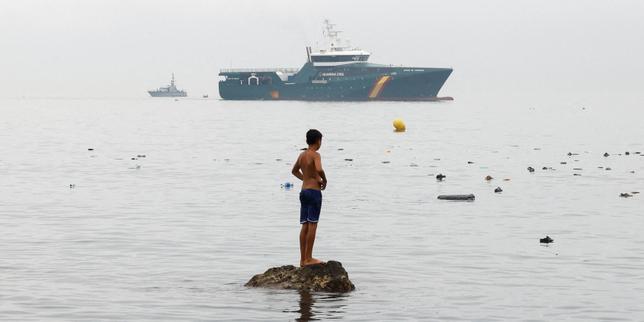
In late July 2026, the numbers coming out of the border town of Fnideq defied normal logic. Roughly seventy percent of Ceuta’s total population crossed into the Spanish territory almost overnight. Young men and teenagers made up the vast majority of the crowd.
Security forces don't just look away by accident. The sudden influx happened because state controls loosened strategically. When borders open on command, they close on command just as fast. Days later, tens of thousands of those same individuals headed back across the line.
That quick reversal proves the point. Spontaneous humanitarian crises don't resolve themselves with a seventy-two-hour U-turn. Political engineering does.
Why Human Suffering Became a Message
Geopolitics rarely stays clean. When national governments want to send a message to Madrid or Brussels, the border posts bear the brunt.
Spain's Prime Minister Pedro Sánchez didn't hesitate to call it an attack on territorial integrity. He flew to the enclave as the death toll mounted past fifty victims. Yet, pointing fingers at smuggling networks only tells half the story. The real driver is state-level pressure.
Rabat watches European alliances closely. Shifts in regional diplomacy, trade deals, and European stances on Western Sahara create constant friction. Whenever tension peaks, the border pressure increases. It's a recurring script. Using civilian bodies to apply diplomatic torque isn't new, but the scale at Ceuta pushed the tactic into uncharted territory.
The Fracturing of the European Response
Brussels talks endlessly about solidarity. Crises like this shatter that illusion immediately.
Italy didn't waste time announcing suspensions of the Schengen free-movement rules with Spain, demanding immediate crackdowns. Other European capitals quickly panicked, tightening their own frontier controls. France ramped up police presence at its southern border almost overnight.
This is the exact vulnerability external actors exploit. European leaders love grand treaties, but mutual trust evaporates the moment local authorities face a sudden surge.
The Cost of Cynical Strategy
Behind every geopolitical maneuver lie human casualties. Dozens of people drowned or died trying to make a crossing that was encouraged for political leverage.
Treating desperate people as tools for statecraft strips away human dignity. Until European foreign policy stops turning a blind eye to how neighborhood partnerships rely on border blackmail, these manufactured emergencies will keep recurring.
Stop buying the narrative that these events are accidental weather patterns. They are planned disruptions. Demand real accountability from the leaders who treat human lives as diplomatic currency.