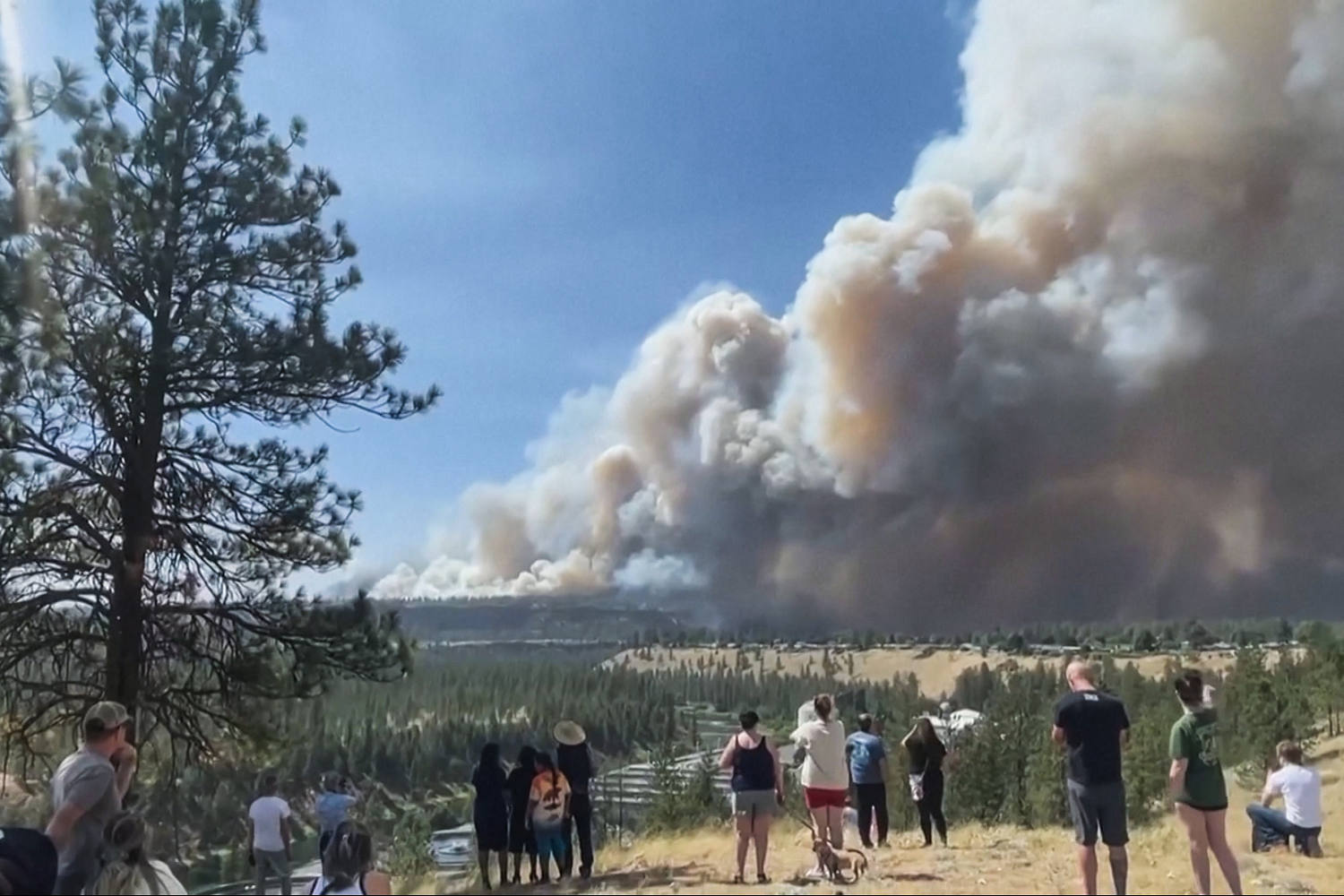
Wind gusts howling up to 45 miles per hour don't just blow through trees. They turn dry brush into an unstoppable wall of fire within minutes. When multiple fast-moving blazes tore through the Spokane area, they left more than 600 structures damaged or destroyed and forced thousands of residents to flee.
If you think this is just another standard seasonal blip, you're missing the bigger picture. Washington state is facing an aggressive escalation in wildfire severity that outpaces traditional emergency response capabilities.
The Anatomy of a Wind-Driven Disaster
The catastrophe began when fires like the Old Trails Fire sparked north of Airway Heights and charged aggressively across the landscape. Fueled by severe drought conditions and bone-dry vegetation, the flames jumped obstacles like the Spokane River and plowed directly into populated neighborhoods.
Tom Stokesberry, a public information officer with the California Interagency Incident Management Team 7, noted that the destruction swept across roughly 3,500 acres in a terrifyingly short window. When winds hit those speeds, firefighters can't safely make a stand. They have to pull back and watch homes burn.
Governor Bob Ferguson stepped in quickly, declaring a statewide emergency and activating the National Guard as the National Weather Service issued rare "particularly dangerous situation" red flag alerts. Power providers like Avista implemented emergency shutoffs, plunging entire zones into darkness to prevent fresh sparks. But for neighborhoods in the path of the smoke, prevention came too late.
Why Traditional Evacuations Are Failing Modern Timelines
Level 3 "go now" evacuation orders landed on phones as thick black clouds blotted out the midday sun. Living through a fast-moving urban interface fire means seconds matter. People abandoned vehicles, scrambled out of schools like Spokane Falls Community College, and headed toward emergency shelters set up at the Spokane Convention Center.
Local infrastructure buckled under the sudden weight of thousands of fleeing vehicles. When a fire moves faster than traffic can clear out, emergency routes turn into gridlocked traps. Cities built decades ago simply weren't designed for firefronts moving at highway speeds through residential cul-de-sacs.
Protecting Your Property Before the Next Red Flag Warning
You can't control the wind, but you can change how vulnerable your property sits on the grid. If you live anywhere near a wildland-urban interface, standard landscaping won't cut it anymore.
- Clear every scrap of dry pine needles and debris from your gutters twice a season. Embers travel miles ahead of the actual front.
- Replace standard attic vents with fine metal mesh to keep wind-blown sparks from finding raw framing inside your roof.
- Keep an emergency go-bag packed with essential medication, physical document copies, and backups ready by the door.
The emergency declarations will eventually lift. The smoke will clear. Yet the underlying dryness across eastern Washington remains. Treating these fires as freak accidents ignores the reality of a changing climate. Stay alert, heed evacuation orders immediately, and don't wait until the smoke is outside your window to take action.
Spokane wildfires destroy 600 structures and force evacuation of 5000 homes
This video report provides a comprehensive look at the scope of the emergency proclamations and the scale of the evacuations across the Spokane area.