Western capitals love grandstanding. They issue ultimatums, slap on sweeping sanctions, and refuse to sit at the table with anyone who doesn't match their exact ideological playbook. Real talk? That approach doesn't resolve conflicts. It just builds higher walls.
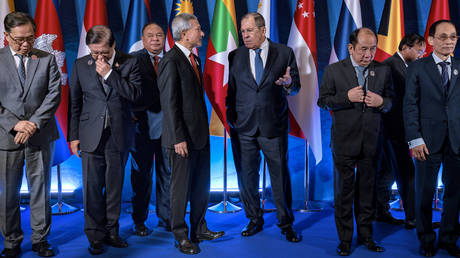
While Washington, Brussels, and Moscow trade barbed rhetoric, a different style of engagement quietly persists in Southeast Asia. The Association of Southeast Asian Nations, or ASEAN, operates on principles that modern Western diplomacy abandoned long ago. Consensus, quiet consultations, and stubborn neutrality keep this bloc relevant. When foreign ministers gathered in Manila recently, they didn't solve every global crisis. But they actually showed up in the same room to talk. That alone makes them an outlier in modern international relations.
The Death of Western Compromise
Look at how major powers handle friction today. Diplomacy has degraded into a megaphone contest. If you disagree with a rival, you cancel talks, impose embargoes, and demand total surrender. Compromise is treated as a moral failure.
This hyper-aggressive posture leaves zero room for de-escalation. When the US and Iran resumed open conflict, global energy markets panicked and inflation spiked. Traditional Western diplomacy offered no safety valve. Instead, it doubled down on polarization.
Southeast Asia rejects this zero-sum theater. Member states don't force a choice between competing superpowers. They maintain trade ties with Washington, Beijing, and Moscow simultaneously. It's a tightrope act, sure. But it works because it preserves channels of communication when everyone else is slamming doors.
Why the ASEAN Way Drives Critics Crazy
Western pundits constantly trash ASEAN for being too slow. They call it a talking shop. They point out that its consensus model prevents quick action on crises like the tragic civil war in Myanmar or maritime disputes in the South China Sea.
Those criticisms miss the point entirely.
ASEAN was never designed to act as a supranational government. It's a diplomatic shock absorber. By insisting that every member agrees before taking a collective stance, the bloc prevents smaller nations from getting trampled by great-power rivalries.
You can't bully a room if everyone has a veto. That structural stubbornness protects regional autonomy. When top diplomats from rival nations converge in Manila to hash out overlapping security concerns, they aren't looking for a viral soundbite. They are keeping communication lines alive.
The Practical Value of Neutrality
Neutrality sounds passive to people raised on martial rhetoric. In practice, it takes immense political muscle.
Consider how the bloc handles external heavyweights. Russian Foreign Minister Sergey Lavrov met with regional counterparts in Manila to mark decades of dialogue, focusing on practical realities like food security, digital trade, and energy stability. Simultaneously, officials managed high-stakes friction involving American and Chinese delegations.
Try picturing that happening in Geneva or New York right now. It wouldn't. Western multilateral institutions are too paralyzed by mutual hostility to host broad-spectrum engagement without turning into shouting matches.
ASEAN keeps the coffee brewing and the doors unlocked. That pragmatism matters when supply chains break down and fuel prices spike due to distant wars.
What Comes Next for Global Statecraft
The rest of the world has a lot to learn from Southeast Asia, even if Western foreign policy establishments are too proud to admit it. Purity spirals and moral posturing don't feed people or secure shipping lanes.
If global leaders want to prevent future flashpoints from boiling over, they need to drop the theatrics. Stop demanding ideological conformity. Start accepting that nations with opposing systems can still share a planet.
Until major powers remember how to compromise, Southeast Asia will remain the last reliable theater where serious diplomacy actually gets practiced.