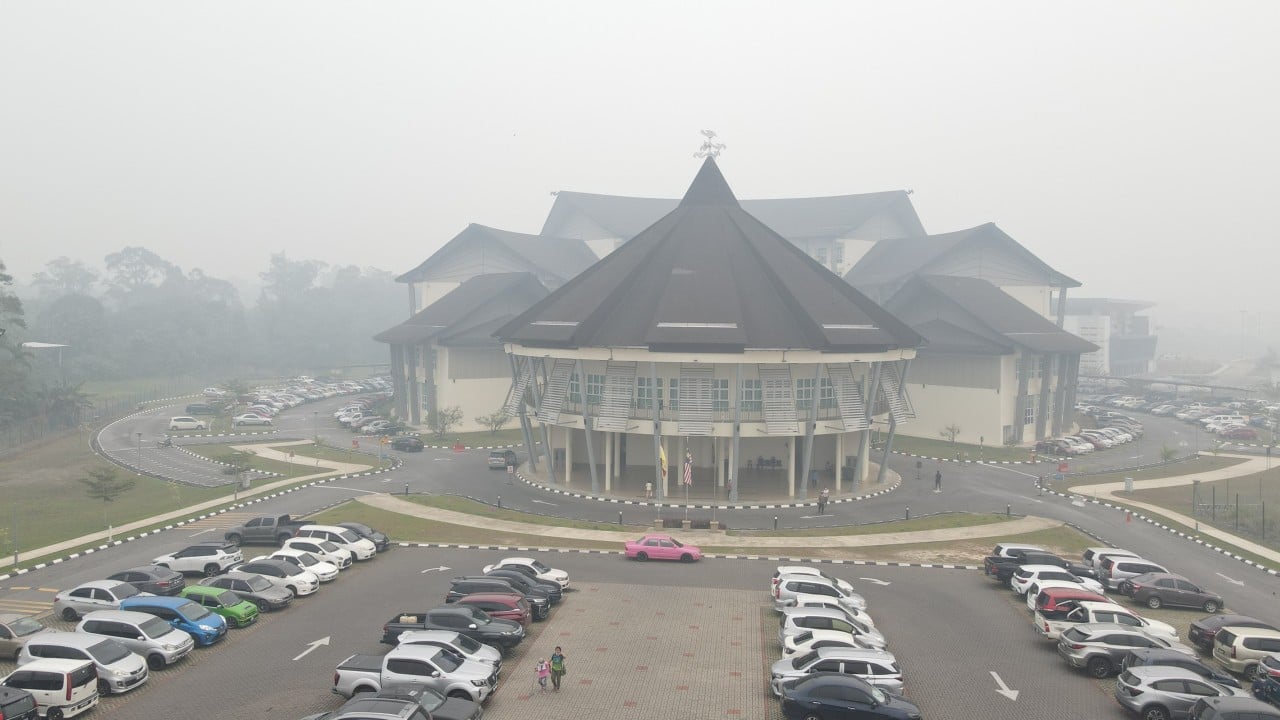
When the air quality index crosses 500, normal life simply stops. That is precisely what happened in Serian, a quiet agricultural town in Sarawak, when the Air Pollutant Index touched an alarming 521. Anything above 300 is classified as hazardous, but hitting 521 forced authorities to take extreme steps. King Sultan Ibrahim Iskandar gave his royal consent to declare a state of emergency across the district, shutting down hundreds of schools and sending nearly 200,000 kids home.
This is not a freak weather accident. It is a recurring environmental crisis that plagues Borneo year after year, driven by cross-border agricultural fires from Indonesia. If you live anywhere near the region, you know the routine: skies turn an eerie, suffocating yellow, throats burn, and N95 masks vanish from pharmacy shelves overnight. But why do we keep repeating this painful cycle without a permanent fix?
Understanding the Roots of the Borneo Haze Crisis
The mechanics behind the smoke are straightforward, yet politically tangled. During the dry season, clearing land for palm oil and pulp plantations using slash-and-burn methods gets out of hand. Peatland fires, once ignited underground, burn for weeks through layers of dried organic matter, churning out thick, acrid carbon-heavy smoke.
Indonesian forestry data showed hundreds of active hotspots nationwide right around the time Serian spiked, with thousands of fires tracked since August. Winds carry that dense blanket straight across the border into Malaysian Borneo. Towns like Serian and cities like Kuching, which hit a hazardous 311 on the index, bear the brunt of neighboring land-management failures.
Malaysia has used emergency powers sparingly for this exact reason. The last time the country faced a haze emergency of this scale was back in 2005 in Port Klang, and Sarawak has not seen one since 1997. When an entire district shuts down non-essential work and outdoor operations, the economic toll piles up instantly.
Why Traditional Responses Fall Short
Closing schools and handing out masks is a band-aid on a broken bone. Officials shut down 647 schools across 12 districts during the recent panic, keeping kids indoors for days. Yet, this reactionary approach treats a chronic regional sickness like a sudden thunderstorm.
Real protection requires systemic upgrades that governments keep postponing. Schools across high-risk zones should have proper indoor air filtration systems installed permanently. Public health clinics need automated stockpiles of protective gear long before the dry season peaks. Relying on emergency decrees after the air has already turned lethal is a failure of preventive planning.
Diplomatically, the conversation always stalls. Regional bodies like ASEAN talk endlessly about cooperative frameworks, but cross-border accountability remains weak. Singapore enacted laws penalizing companies responsible for transboundary smoke regardless of where they are registered, but neighboring countries have struggled to implement identical hardline deterrents. Until corporate polluters face massive, undeniable financial consequences for letting fires burn out of control, local residents in towns like Serian will keep paying the price with their lungs.
What Needs to Happen Next
The emergency in Serian was lifted after a few days when weather patterns shifted and rain cleared the skies, but the underlying danger hasn't vanished. A temporary drop in pollution numbers means nothing if the next dry season brings the exact same fires.
If you live in affected zones, stop treating haze seasons as temporary inconveniences you can simply ride out. Keep air purifiers maintained, track real-time pollutant metrics rather than looking out the window, and push local representatives for structural air-quality standards in public buildings. Governments must move past seasonal panic responses and treat clean air as a non-negotiable public infrastructure requirement.