Trade deals rarely move fast unless panic sets in. Right now, protectionist walls and shifting global supply lines are pushing countries into unlikely alliances.
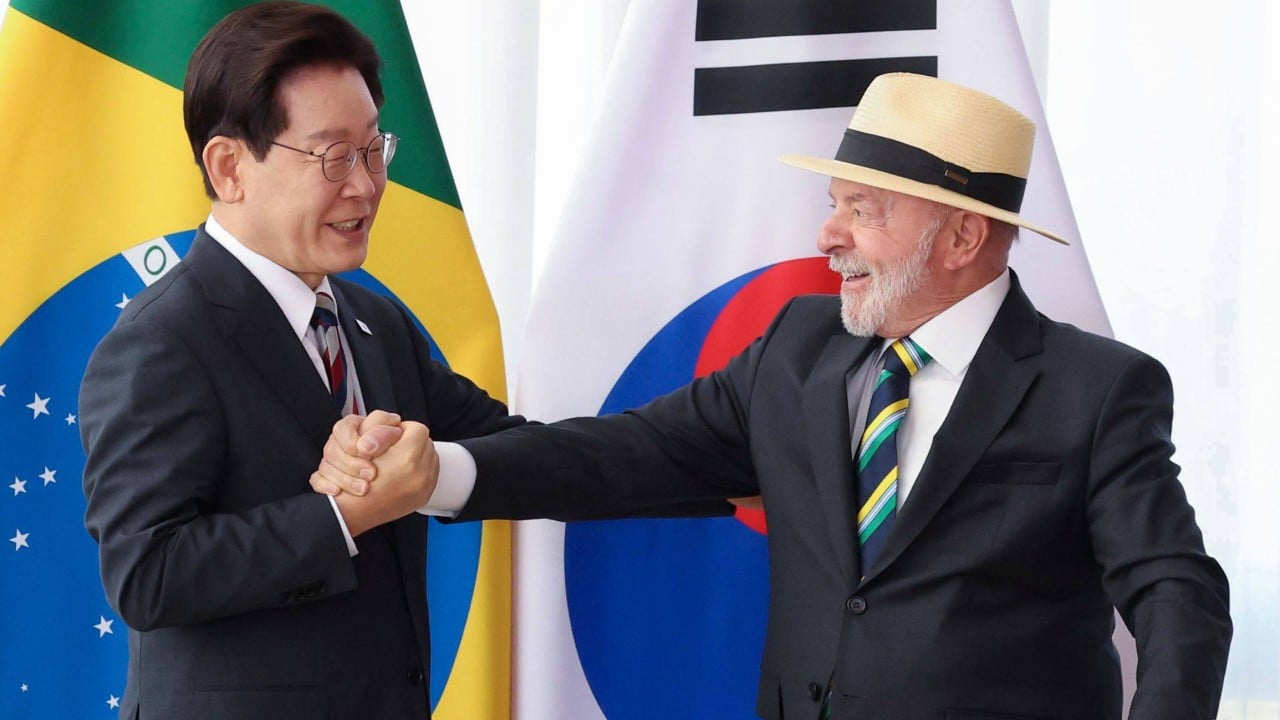
South Korea and Brazil are cracking open long-stalled negotiations for a major pact between Seoul and the Mercosur trade bloc. If you think this is just standard diplomatic small talk, look closer. Presidents Luiz Inácio Lula da Silva and Lee Jae-myung just agreed in Brasília to set up a dedicated working group to speed things up, targeting a major push by December 2026.
Brazil wants to diversify its export markets because heavy US tariffs and global trade volatility hurt commercial partners. South Korea needs secure, diverse supply chains for raw materials and critical minerals. But getting this deal across the finish line requires Seoul to address deep-seated Brazilian anxieties over manufacturing competition and market access.
The Manufacturing Reality Check
Brazilian industrialists aren't jumping for joy over open borders with Asian tech powerhouses. Domestic manufacturers worry about getting crushed by cheap electronics, advanced machinery, and manufactured goods pouring in from Seoul.
It's a valid fear. When you match South Korea's high-tech manufacturing might against South America's industrial sector, local factories feel exposed. Brazilian business groups made their worries clear during public consultations led by the Secretariat of Foreign Trade (SECEX). They aren't trying to block progress entirely, but they want rules of origin that protect local jobs and supply chains.
Seoul can't ignore these anxieties. If South Korea wants a frictionless path into South America's largest economic bloc, it has to offer more than just finished consumer goods. Joint ventures, localized production tech, and supply chain integration matter more than pure tariff cuts.
Unlocking Critical Minerals and Meat Exports
Trade has to flow both ways to survive. While manufacturing worries dominate Brazilian boardrooms, agriculture and mining sectors see massive dollar signs.
Brazil is rich in critical minerals like rare earths, lithium, and nickel. South Korea's massive technology sector runs on these exact resources. During their recent summit, both leaders officially locked in plans to expand cooperation across the entire rare earths supply chain. That means joint work on technology and processing, not just shipping raw dirt across the ocean.
At the same time, food security remains a massive priority for Seoul. Brazil is sending a sanitary inspection mission to look at meatpackers, smoothing the path for more agricultural exports. If South Korea wants lower barriers for its cars and electronics, it has to let Brazilian beef and agricultural products into its supermarkets without bureaucratic headaches.
Clearing Non Tariff Hurdles
Tariffs get all the headlines, but non-tariff barriers kill deals. Regulatory compliance, custom delays, and sanitary rules often create invisible walls that frustrate exporters on both sides.
Brazilian exporters face strict sanitary and phytosanitary rules when trying to crack Asian markets. South Korean firms operating in Brazil face similar friction with local tax codes and bureaucratic red tape. A successful agreement has to dismantle these administrative hurdles.
Look at how the groundwork is laid. By opening public consultations through bodies like SECEX and setting up bilateral working groups, both governments are trying to catch friction points early. They want input directly from companies dealing with customs, compliance, and shipping daily, rather than relying purely on theoretical models built by bureaucrats in capital cities.
What Happens Next
The timeline is tight and ambitious. With a working group forming now and a push expected at the Mercosur summit in December 2026, negotiators have zero time to waste.
If you run a business or track international commerce, watch the sanitary audits and rare earth supply agreements closely. Those sectors will test whether Seoul and Brasília can actually turn diplomatic handshakes into binding, practical rules. South Korea has the technology and investment power. Brazil has the raw materials, market scale, and agricultural output.
Bridging the gap comes down to respecting local industrial anxieties while building supply chains that survive modern global shocks. Stop waiting for perfection. The real test begins now.