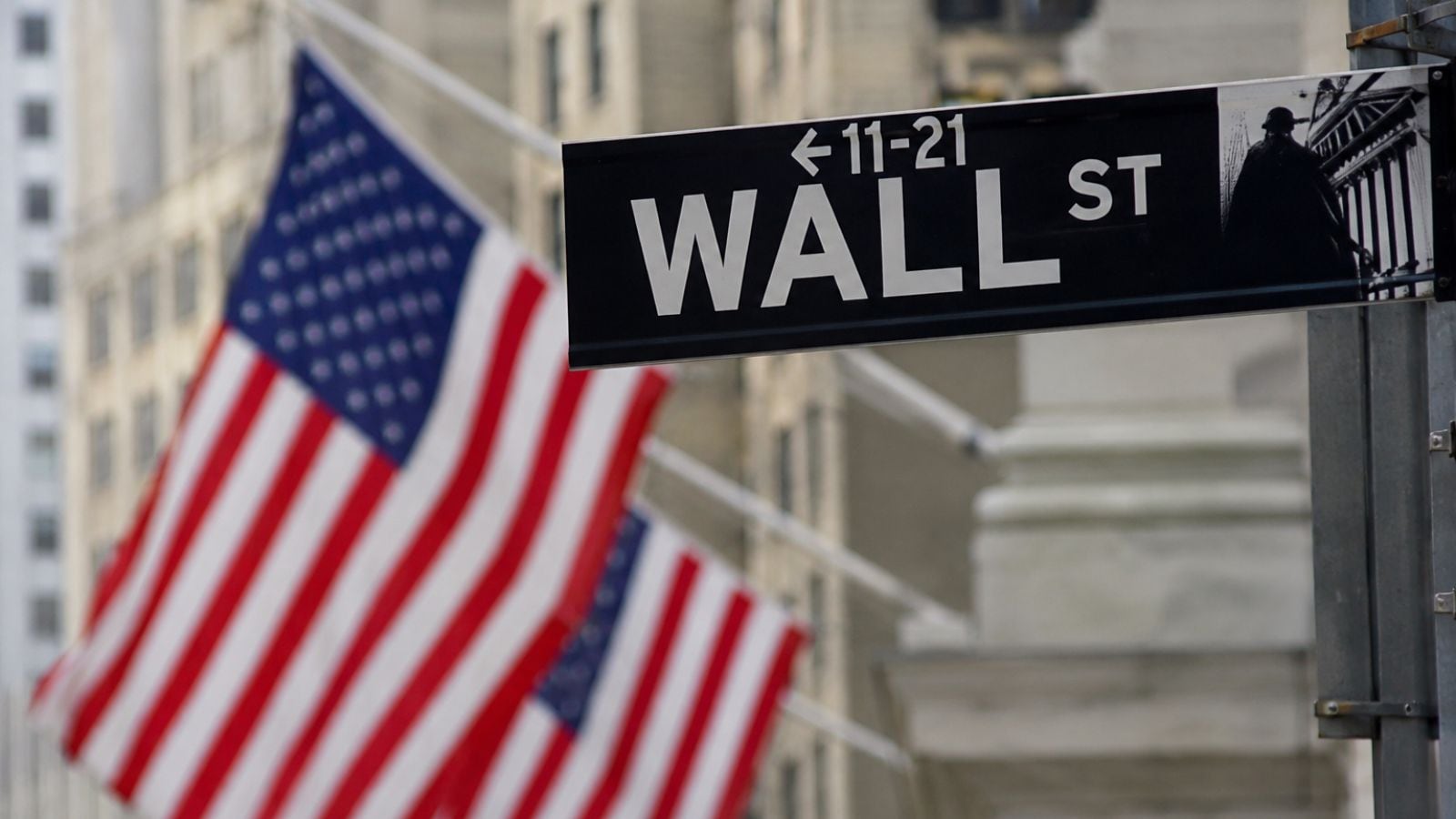
Trillions of dollars vanishing from global equity markets in a single session changes how people think. When the tech-heavy Nasdaq cratered by over five percent and the S&P 500 dropped sharply, the panic wasn't just about a bad day on Wall Street. It was a violent wake-up call. Investors woke up to the reality that the artificial intelligence trade, which has powered the market for years, faces serious regulatory headwinds and structural limits.
Money doesn't just disappear when stock prices crash; it migrates. As tech valuations wobble under the weight of massive capital expenditure concerns and looming political shifts like the U.S. midterm blue wave, capital is rushing straight into the safety of government bonds. Yields are dropping, fixed-income desks are flooded, and anyone who kept all their cash tied up in high-flying semiconductor or cloud infrastructure plays is sweating.
The Anatomy of the AI Rout
Let's be honest about what triggered this. For months, the market ran on blind optimism. Every company with an AI acronym attached to its name saw its valuation balloon, regardless of whether it had a clear path to profitability. But reality catches up eventually.
When the political landscape shifts and governments start seriously looking at regulating data center footprints, power grid strains, and antitrust issues, the growth narrative changes. Companies like SoftBank, CoreWeave, and major chip manufacturers saw their valuations take massive hits because the market realized that building out the infrastructure for artificial intelligence is absurdly expensive. Debt insurance costs jumped, margins tightened, and investors suddenly remembered that risk exists.
You can't fund endless data center expansions on hype forever. When borrowing costs stay high and regulatory scrutiny tightens, the math stops working for over-leveraged tech players. That's why institutional money is rotating out of equities and heading toward fixed income.
Why Bonds Suddenly Look Attractive Again
For a long time, bonds were dead money. With inflation acting up and interest rates fluctuating, holding fixed income felt like watching your purchasing power erode in slow motion. But a dramatic stock market correction changes the math entirely.
When equities lose trillions in days, government bonds offer a predictable return and a safe harbor. U.S. 10-year Treasury yields, Japanese government bonds, and German bunds all saw robust buying pressure as safety-seeking capital flooded in.
If you are managing risk, you cannot afford to stay 100% exposed to a volatile tech sector driven entirely by sentiment rather than steady cash flows. Bonds provide a buffer. They give you breathing room while the market digests whether the AI boom is entering a secular slowdown or just experiencing a painful, necessary reset.
What You Should Do With Your Portfolio Now
Panic selling is usually a mistake, but ignoring changing macroeconomic fundamentals is worse. If your portfolio is heavily skewed toward speculative tech names, you are riding a roller coaster without a seatbelt.
Start by auditing your exposure. Look at companies with real cash generation versus those burning cash to keep up with the AI arms race. Balance your equity holdings with quality fixed-income assets that can protect your capital if the tech rout deepens. Diversification isn't a boring buzzword; it's the only thing that keeps you solvent when market sentiment turns toxic overnight.
Stop treating the stock market like a casino where the tech sector always wins. Protect your downside, lock in yields while they are favorable, and let the speculators fight over the scraps.
A sea of red on Wall Street as AI takes a major hit
This video provides a concise breakdown of how the recent tech sell-off impacted global markets and triggered heavy losses across major stock indices.