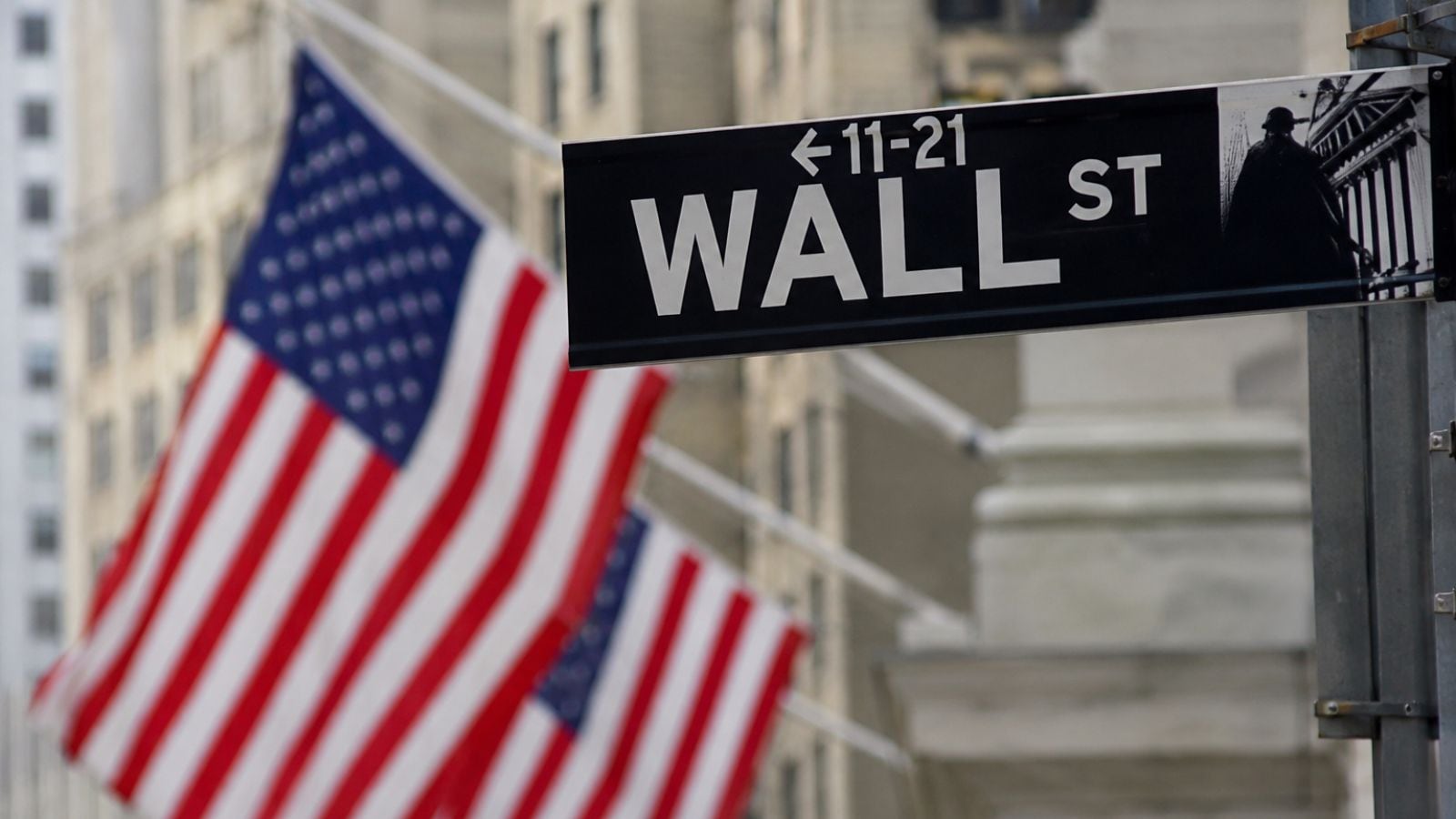
Markets don't care about your feelings, and this week proved it in brutal fashion. If you spent the last forty-eight hours watching your portfolio bounce like a hyperactive rubber ball, you're not alone. Wall Street went from a panic-induced tech bloodbath straight into a chaotic recovery, leaving everyday investors scrambling to figure out if the bottom has fallen out or if the party is back on.
Let's cut through the financial noise. The Nasdaq and S&P 500 staged a notable rebound, clawing back ground after an aggressive tech sell-off. Meanwhile, the Dow Jones Industrial Average lagged behind, slipping slightly as old-school industrial sectors caught a cold. Add in a blockbuster October jobs report showing 165,000 new positions added, and you have a recipe for pure macroeconomic whiplash.
The Real Story Behind the Tech Rebound
The narrative on Wall Street changes faster than a algorithm on speed. Earlier in the week, panic ripped through equities. Major indices suffered one of their steepest single-day drops of the year, with the Nasdaq getting dragged into heavy correction territory. Artificial intelligence darlings and semiconductor giants took absolute beatings as traders panicked over political shifts, shifting regulations, and valuation anxiety.
Then the script flipped. Nvidia, Micron, and AMD suddenly remembered they run the tech world, sparking a sharp relief rally. Bargain hunters rushed in to scoop up beaten-down shares at a discount.
But don't mistake a relief bounce for a clean bill of health. Big tech volatility isn't going anywhere. When momentum stocks swing five percent in a single session, you're watching institutional algorithms fight each other in a dark room. Trying to day-trade these swings is a great way to lose your shirt.
Jobs Data Keeps the Federal Reserve in the Driver's Seat
While tech stocks staged their recovery, the Labor Department dropped the October employment numbers. The economy churned out 165,000 jobs, beating expectations and proving the labor market remains stubbornly resilient.
Normally, a strong job market sounds like great news. On Wall Street, good news is often treated as bad news.
Strong employment data means the economy refuses to cool down. That keeps the pressure right back on the Federal Reserve regarding interest rates. If employers keep hiring and wages keep growing, the central bank has very little incentive to rush into aggressive rate cuts. Bond yields ticked upward in response, reminding everyone that cheap money isn't making a permanent comeback anytime soon.
Why the Dow Is Doing Its Own Thing
While the tech-heavy Nasdaq bounced hard, the Dow Jones struggled to keep pace. Traditional heavyweights—retailers, industrial suppliers, and consumer staples—faced selling pressure.
Investors are rotating capital. They're pulling money out of select defensive or traditional value plays and gambling on whether high-growth tech can maintain its momentum. This divergence proves that calling the "stock market" up or down is useless right now. You have two entirely different markets operating under one roof: the high-beta tech engine driving wild recovery gains, and the sluggish industrial anchor holding the Dow back.
How to Protect Your Money Right Now
Stop staring at your portfolio every ten minutes. Emotional reactions to daily market swings lead to bad trades.
If you are investing for the long haul, days like this are just background noise. Broad market corrections are normal features of a healthy economic cycle, even when they feel like an emergency. Diversify your holdings so you aren't overly exposed to a single semiconductor stock or a single sector. Keep cash reserves ready if you want to pick up quality assets on sale, but never invest money you might need over the next three years.
Volatility is the price of admission in the stock market. Accept it, manage your risk, and keep your eyes on your actual financial goals instead of the daily ticker tape.


