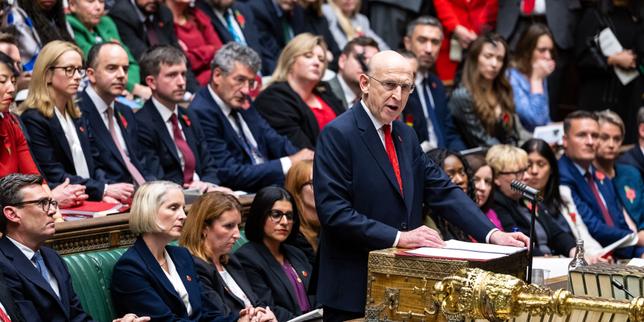
Earning a six-figure salary used to mean financial security. Today, it often buys you a high tax bracket and a mountain of anxiety. When Chancellor John Healey delivered the 2026 budget, one specific reaction cut through the noise: high earners making upwards of £126,000 admitting they have virtually nothing left when the month ends.
It sounds absurd to anyone surviving on the median wage. How can six figures vanish? Look closer at the math. Mortgage payments have jumped from around £900 to £1,300 a month for many homeowners, council tax has crept up, food prices remain punishing, and student loan repayments take another chunk. When you factor in frozen tax thresholds and the sudden cliff-edges in the UK tax system, high earners aren't living lavishly—they're just keeping pace with an inflated baseline of survival.
The Reality of Middle-Class Squeeze
People assume high earners are jetting off every weekend or buying luxury cars. They aren't. Graham Robinson, a reader who spoke about earning £126,000 last year, captured a widespread sentiment by pointing out he doesn't do anything particularly extravagant, yet his income gets swallowed entirely by basic overheads.
Mortgage refinancing has been the silent killer of household budgets over the last few years. Fixed deals signed during historic lows expired into a completely different interest rate reality. Pair that with surging energy baseline costs and higher food bills, and the modern middle-class income gets eaten alive before discretionary spending even enters the chat.
Winners and Losers in the 2026 Fiscal Plan
The 2026 budget tried to appease a fractured nation through targeted interventions, but it left experts and taxpayers unimpressed. The government announced £100 winter energy handouts for millions of households, funded partly by hiking taxes on banks and landlords. It also promised to scrap standing charges on gas bills for millions of homes, a move long overdue for a fairer energy market.
Yet thinktanks like the Resolution Foundation slammed the package as poorly targeted. Giving scattered one-off payments doesn't fix structural decay. Meanwhile, public services creak, welfare bills face tougher restrictions, and working families continue to navigate Universal Credit tapers that penalize extra shifts.
What You Can Do About Your Own Finances
You cannot control fiscal policy, tax brackets, or interest rate decisions made in Westminster. You can only audit how your money leaves your account.
- Scrutinize fixed expenses first. Groceries and discretionary spending get the most blame, but fixed obligations like insurance renewals, broadband contracts, and mortgage structures drain more cash quietly.
- Plan for tax cliffs. If your income hovers around boundaries where allowances taper off, consult an accountant to optimize pension contributions or salary sacrifice schemes.
- Stop comparing gross income to lifestyle. Earning a high nominal wage means nothing if your net disposable income is choked by mandatory debt servicing and living costs.
Fix your baseline budget based on reality, not on the nostalgic idea of what a six-figure salary used to buy.