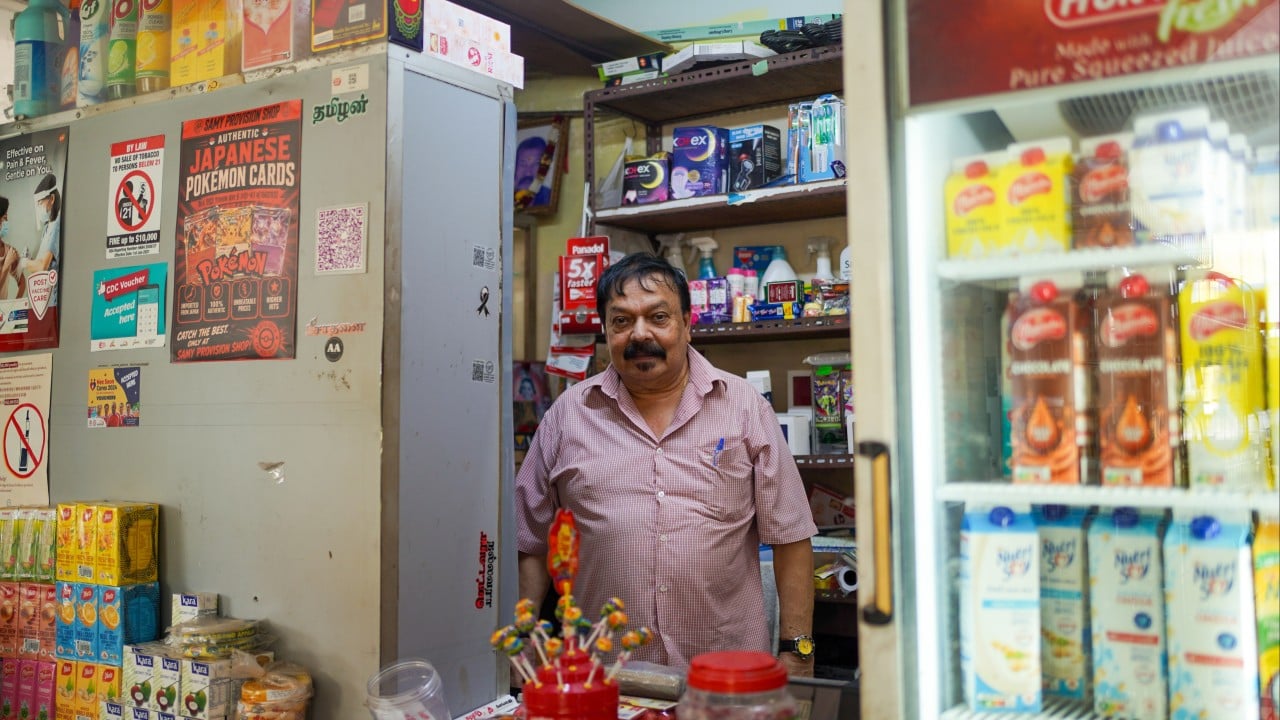
You used to be able to walk down to the void deck of your HDB block and buy a single egg, a packet of loose washing powder, or an iced soda on credit from an uncle who knew your family name. That Singapore is fading fast. Traditional provision shops, once numbering over 3,000 across the island during the 1970s and 1980s, are now a dying breed with fewer than 250 remaining.
People love to blame hypermarkets and online grocery delivery for this extinction event. But that misses the actual ground reality. The slow death of the neighborhood provision shop is a complex mix of relentless structural shifts, shifting generational inheritances, and an economy that no longer tolerates low-margin neighborhood fixtures. For a different perspective, check out: this related article.
The Math That No Longer Adds Up
Let us look at the raw numbers. Operating a traditional provision shop in an HDB heartland used to mean low overhead and steady, loyal foot traffic. Today, owners face a brutal financial squeeze.
Rising rental costs, higher wholesale prices from suppliers who favor major supermarket chains, and minimal profit margins on essential goods make survival nearly impossible. When a box of detergent or a tin of condensed milk yields pennies in profit, you need massive volume to pay the bills. Volume is precisely what giant air-conditioned supermarkets and 24-hour convenience chains pull away every single day. Similar insight on this trend has been published by Business Insider.
Older proprietors are aging out. Their children rarely want to take over a business that demands working 14-hour days, seven days a week, for returns that pale in comparison to corporate salaries.
Beyond Convenience: The Loss of the Kampung Spirit
When a provision shop closes its shutters for good, it is not just retail space that dies. It is an anchor of community life.
Unlike sterile supermarkets where self-checkout counters rule and nobody makes eye contact, the old mama shops served as social hubs. Residents would linger outside to chat, check up on elderly neighbors, and let children buy snacks on credit. That informal social safety net is disappearing.
Government initiatives and transformation grants from agencies like Enterprise Singapore have tried to throw a lifeline to heartland retailers. Some shops have tapped these funds for digital payment integrations and store makeovers. Yet, grants cannot fix a fundamental lack of succession planning or reverse the relentless march of urban redevelopment schemes like SERS, which displace entire communities and scatter long-time customers.
Can Anything Save What Is Left?
If you want these micro-businesses to survive, sentimentality won't cut it. Consumers need to vote with their wallets, choosing the independent uncle downstairs over the convenience app for quick top-up purchases.
At the same time, landlords and urban planners must rethink how heartland commercial spaces are leased, moving away from rigid models that price out independent operators in favor of high-paying regional chains.
The shutters are coming down across the island, one by one. If we let the remaining few vanish, we trade our shared cultural memory for sterile efficiency.
Support your local neighborhood vendors today before the last lights go out for good.