You don't need a high-tech cyberweapon to break a modern transportation network. Sometimes, all it takes is a two-meter metal pipe strapped to a rail.
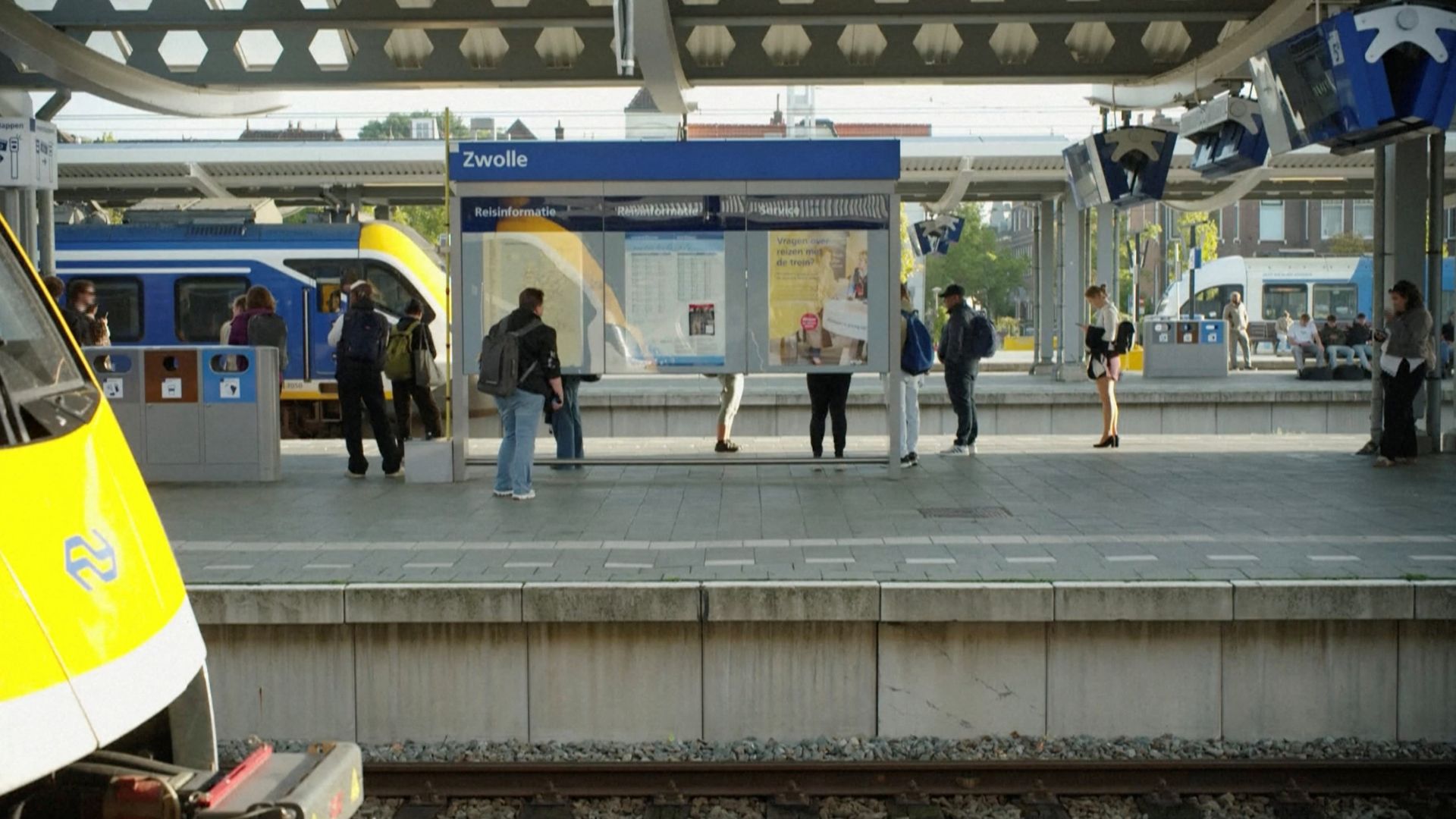
During a chaotic morning rush hour across the Netherlands, railway infrastructure operator ProRail discovered objects deliberately placed on tracks in over twenty locations. The disruption paralyzed commuter lines in the central and northern regions, leaving thousands stranded and forcing authorities to treat the incident as a coordinated act of sabotage.
The strategy behind the chaos relied entirely on basic physics and the built-in logic of railway safety systems. Understanding how this attack worked exposes a vulnerability that transit networks everywhere struggle to fix.
How Low-Tech Objects Confused High-Tech Tracks
Modern railways don't just rely on drivers looking ahead or dispatchers watching screens. They use track circuits—electrical currents running through the rails. When a heavy train rolls over a section of track, its metal wheels and axles complete an electrical circuit, telling the signaling system that the block is occupied. The system automatically turns signals red to prevent any other train from entering.
The saboteurs exploited this exact mechanism. By attaching metal pipes directly across or along the rails at dozens of sites, they tricked the system into believing that trains were occupying segments of track where nothing was actually there.
The signals responded precisely as they were engineered to do: they shut down traffic. One train traveling near Steenwijk actually collided with an attached tube, though fortunately, no injuries were reported.
The interference rippled far beyond the rail network. Because safety logic dictates that crossing gates must stay down if track circuits show an active occupancy, level crossings remained locked. This backed up road traffic, trapping motorists in the morning gridlock alongside frustrated commuters.
The Worst Possible Timing
The timing of the disruption raised immediate alarms. The sabotage unfolded hours before Prinsjesdag, the traditional state opening of the Dutch parliament in The Hague. King Willem-Alexander was scheduled to deliver the annual budget speech, an event that draws massive crowds and intense international media attention.
Investigators from the national police, intelligence agencies, and security coordinators immediately launched a multi-agency probe. While speculation swirled regarding potential motives—ranging from political protest movements to foreign hybrid operations—officials urged caution.
ProRail spokesperson Joke van der Cruysen noted that field workers had to handle the clearing process wearing gloves to preserve potential fingerprints and forensic evidence. Unlike cyberattacks that leave behind complex digital footprints, physical sabotage leaves tangible clues, though sorting through twenty-plus crime scenes takes time.
National railway operator NS found itself overwhelmed. The geographic spread of the incidents was so wide that dispatchers couldn't even source enough replacement buses to ferry stranded passengers around the blocked sections.
What This Means for Critical Infrastructure Security
Incidents like this highlight a harsh reality for civil engineers and security planners. You can secure software systems with state-of-the-art encryption, but steel tracks run out into open fields, rural countrysides, and dark stretches of forest where physical surveillance is nearly impossible.
Securing thousands of kilometers of railway line against a person with a wrench and a metal pipe is logistically impossible without turning every commuter route into a heavily guarded military zone. Transit operators face a difficult balance. They must maintain open, efficient public schedules while hardening critical nodes against low-cost, high-impact disruption.
If you rely on public transit for your daily commute, keep a close eye on real-time operator applications when major political events or heightened security alerts hit the headlines. Flexibility remains your best defense when physical infrastructure becomes the target.