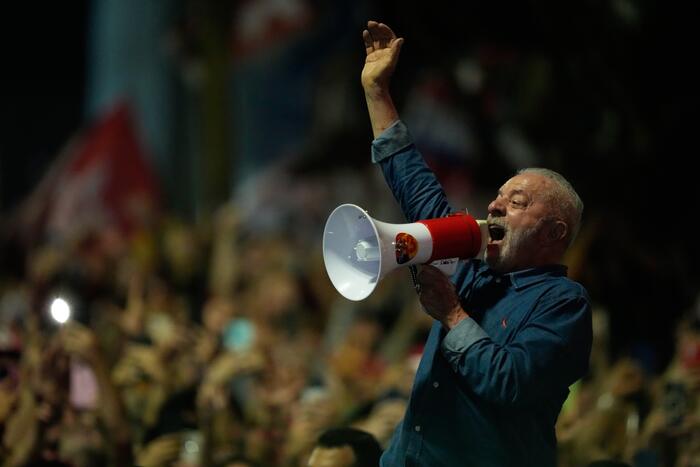
Belgrade didn't sleep on October 25, 2026. Fireworks lit up the sky, car horns echoed off concrete facades, and strangers hugged on street corners as if the national football team had just won the World Cup. But this wasn't about sports. It was about politics, survival, and a generation of young people who decided they'd rather fight for their future at home than pack their bags for Western Europe.
Aleksandar Vucic, the dominant force in Serbian politics for over a decade, finally hit a wall he couldn't spin or bully his way past. When the veteran strongman stepped up to concede defeat in the snap parliamentary elections, it marked a stunning conclusion to years of brewing frustration. The story of how university students outmaneuvered a deeply entrenched political machine is a masterclass in modern political resistance.
The Breaking Point That Sparked a Movement
You don't unseat a leader like Vucic overnight. For twelve years, his Serbian Progressive Party (SNS) built an airtight grip on state institutions, local media, and public sector employment. Critics faced intimidation, and independent media outlets fought an uphill battle for survival.
Yet, authoritarian control often breeds complacency. The regime underestimated the sheer exhaustion of ordinary citizens. Years of simmering anger over systemic corruption, opaque infrastructure deals, and institutional decay finally boiled over. When protests erupted, they weren't organized by traditional, tired opposition parties that voters had grown to distrust. They were driven by students.
These young organizers didn't play by the old rules. They occupied public squares, blocked state TV stations, and utilized digital networks to organize flash demonstrations that left police and political operatives scrambling. They refused to be co-opted by career politicians who wanted to slap their own logos on youth-led momentum.
Moving From the Streets to the Ballot Box
Protests alone rarely bring down strongmen. Dictators and populist rulers survive street marches if they fizzle out or turn violent. The turning point came when the movement pivoted from disruption to organization.
Forming the Students' List, these activists did what the fragmented traditional opposition failed to do for years: they united voters around a single, undeniable message of accountability, rule of law, and basic democratic normalcy. Vucic tried his usual playbook, even resigning from the presidency weeks prior to run for prime minister and reset his political clock. It backfired completely.
Voter turnout surged to historic levels. Long queues formed outside polling stations across Belgrade and regional cities. Citizens who hadn't voted in years stood for hours in the October chill. They weren't just voting against a party; they were voting for the right to live in a country where merit mattered more than party loyalty.
The Sudden Collapse of a Decade-Long Grip
By the time polls closed on Sunday night, the writing was on the wall. Projections from polling agencies like CESID-Ipsos showed the ruling SNS plummeting to roughly 103 seats, while the Student List surged past expectations to secure a commanding parliamentary majority.
Vucic did not drag out the suspense. Barely ninety minutes after voting ended, he appeared at party headquarters to acknowledge reality. He admitted defeat, pointing directly at the force that had beaten him.
The gendarmerie pulled back. Riot police didn't charge the crowds. Instead, scenes of joy unfolded as citizens high-fived police officers on the streets of Belgrade. The atmosphere felt surreal, a collective exhale after years of high-pressure political tension.
What Comes Next for Serbia
Winning an election is the easy part. Governing a country with deep-rooted systemic corruption and a hollowed-out civil service is where the real test begins.
The Student List now faces immense expectations. Supporters on the streets are demanding swift accountability, transparent governance, and real economic reforms. International observers will be watching closely to see if a movement born out of protest can transition into competent statecraft without fracturing under ideological differences.
One thing is certain. The political playbook in the Balkans has changed forever. Longtime rulers who treat nations as personal fiefdoms now know that a generation raised on the internet, tired of empty promises, can organize faster, smarter, and more effectively than the old guard ever anticipated.
Get ready for a new chapter in Southeastern Europe. The students proved that the future belongs to those who refuse to stay silent.
Serbia's Student Led Protest Movement Celebrates Election Victory
This video captures the massive celebrations in Belgrade after the historic student-led electoral victory brought an end to Vucic's long rule.
http://googleusercontent.com/youtube_content/1