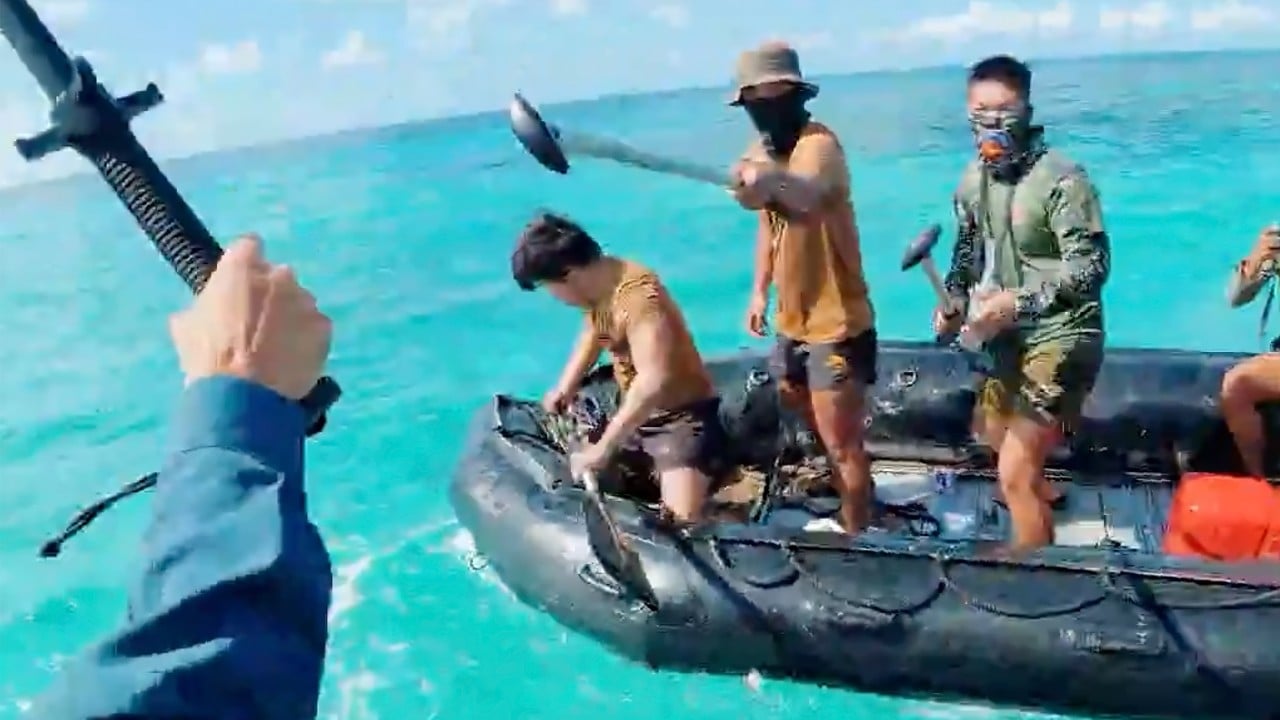
Tensions in the South China Sea just hit another breaking point. On July 20, 2026, Chinese Coast Guard personnel armed with wooden batons clashed with Philippine naval officers near Second Thomas Shoal. The incident left a Filipino sailor with a head injury and triggered an immediate diplomatic showdown. Beijing summoned Manila's ambassador on July 21 to accuse the Philippines of deliberate provocation. Meanwhile, Manila, Washington, and Canberra slammed China's aggressive tactics.
If you've been following South China Sea news, you know clashes around Ayungin Shoal—China calls it Ren'ai Reef—happen often. But this latest confrontation shows how fragile the maritime situation really is, even after temporary resupply deals were struck.
Here is what actually happened during the latest encounter, why diplomatic protests won't solve the core dispute, and what this standoff means for regional security in 2026.
What Triggered the Latest Clash at Second Thomas Shoal
The trouble started when a China Coast Guard vessel carrying eight personnel maneuvered within 20 to 30 meters of the BRP Sierra Madre. The Sierra Madre is a rusty World War II-era landing ship that Manila intentionally grounded on Second Thomas Shoal back in 1999 to maintain a military presence.
According to the Armed Forces of the Philippines, the Chinese crew began photographing and filming the garrison. Sensing a security risk, Philippine Navy personnel launched rigid-hull inflatable boats to push the Chinese craft away.
Things escalated fast. A Chinese Coast Guard crew member struck a Filipino sailor in the head with a wooden baton. Manila described its crew's response as purely defensive and well within established rules of engagement. Beijing presented a completely different story.
China's Foreign Ministry claimed Philippine boats surrounded and rammed their craft, attacking first with oars and poles. Within hours, Beijing urgently summoned the Philippine ambassador to lodge formal diplomatic representations, accusing Manila of distorting facts and hyping the event.
This physical melee marks another primitive shift in tactics. We aren't just seeing water cannons or laser strikes anymore. We're seeing hand-to-hand combat on rubber boats in open waters.
The Flaw in Temporary Maritime Agreements
Back in July 2024, China and the Philippines reached a provisional agreement regarding resupply missions to the troops stationed aboard the BRP Sierra Madre. Many observers hoped that deal would cool down tensions.
It didn't fix the underlying problem.
The 2024 agreement covered routine resupply runs for food, water, and basic necessities. It left a massive gray area around daily patrols, reconnaissance, and defensive maneuvers.
The July 2026 clash didn't occur during a scheduled resupply run. It happened during routine maritime patrolling around the shoal.
       1999                     2016                    2024                    2026
 Philippines grounds      Arbitral tribunal       Provisional deal       Patrol clash escalates;
  BRP Sierra Madre       rules Chinese claims     on resupply runs        baton attack injures
  on Ayungin Shoal.      have no legal basis.       is reached.             Filipino sailor.
Beijing views any Philippine activity around the reef as an illegal intrusion on Chinese territory. Manila treats the shoal as part of its 200-nautical-mile Exclusive Economic Zone, supported by the 2016 Permanent Court of Arbitration ruling. Because neither side agrees on sovereignty, quiet patrol missions turn into physical fights in minutes.
The provisional deal was a temporary band-aid on a gaping wound. Without clear guidelines governing daily maritime patrols, similar clashes will keep happening.
Why Washington and Regional Allies Are Escalating Their Response
The timing of this encounter couldn't be more delicate. US Secretary of State Marco Rubio landed in Manila on July 21 for foreign ministers' meetings with the Association of Southeast Asian Nations.
Washington acted quickly. The US State Department issued a formal statement condemning China's actions as dangerous, aggressive, and destabilizing. Australian Foreign Minister Penny Wong also called out Beijing's conduct.
The United States has repeatedly reminded Beijing that the 1951 US-Philippines Mutual Defense Treaty covers armed attacks on Philippine armed forces, public vessels, or aircraft anywhere in the South China Sea.
Every time a Chinese officer strikes a Filipino sailor or damages a Philippine boat, both nations walk closer to a red line. Manila shows impressive restraint, but one fatal incident could force Washington's hand.
The Strategy Behind Beijing's War of Words
Beijing isn't relying only on coast guard boats and batons. It uses aggressive public diplomacy to control the narrative.
When China's foreign ministry summoned the Philippine ambassador, they didn't just express discontent. They tried to frame Manila as the aggressor in front of the international community.
Days before this physical clash, Manila lodged a diplomatic protest over propaganda videos released by Chinese state media that depicted the Philippines in an insulting light. Philippine officials argued Beijing uses targeted media campaigns to justify its aggressive maneuvers or cover up maritime mistakes.
Beijing wants to test Manila's resolve while checking how far the US will go to back its ally. By keeping clashes just below the threshold of military conflict—using batons, water cannons, and boat ramming instead of firearms—China attempts to assert control over the shoal without triggering a full military response from the US.
What Happens Next in the South China Sea
You shouldn't expect tensions around Second Thomas Shoal to ease anytime soon. Here is where the conflict is headed over the coming months:
- More diplomatic protests: Manila will file formal diplomatic complaints and bring up the clash at ASEAN gatherings to press for a legally binding Code of Conduct.
- Continued Chinese resistance: Beijing will continue to reject international court rulings, maintaining that its sovereignty over the Spratly Islands is non-negotiable.
- Increased joint patrols: The Philippines will likely expand joint maritime patrols with the United States, Australia, and Japan to deter further Coast Guard aggression.
- High risk of tactical miscalculation: As both sides maintain heavy maritime presences near Ayungin Shoal, the risk of a severe injury or fatality remains dangerously high.
To navigate this situation effectively, foreign policy analysts and observers should monitor upcoming ASEAN summits for progress on maritime rules of engagement, track changes in US-Philippine joint defense deployments, and watch whether Manila and Beijing attempt to expand their 2024 provisional deal to cover routine naval patrols.