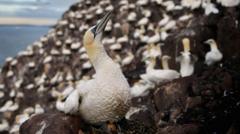
Tradition doesn't automatically mean immunity. NatureScot just denied the licence for the annual guga hunt on the remote Hebridean island of Sula Sgeir, marking the first time in 400 years that this controversial seabird slaughter has been officially blocked. For centuries, the Men of Ness from the Isle of Lewis sailed 40 miles north to harvest up to 2,000 gannet chicks, known locally as gugas, for a traditional winter food source.
Not anymore. New scientific modeling revealed that the colony can no longer sustain the harvest. Between the lingering devastation of avian influenza and a wider 17% decline in the North-East Atlantic gannet population, the math simply stopped working in the hunters' favor.
The Science That Finally Stopped the Hunt
For years, defenders of the hunt leaned heavily on cultural heritage. The exemption sits embedded in the Wildlife and Countryside Act, acknowledging a practice dating back to medieval or Viking eras. But heritage doesn't override population collapse.
The Scottish Seabird Centre released a stark report warning that compounding environmental pressures left too many variables on the table. When NatureScot commissioned updated population projections, the data showed an unmistakable risk of an adverse impact on the Sula Sgeir colony.
You cannot manage wildlife based purely on nostalgia. When a species faces climate shifts, food web disruptions, and bird flu outbreaks, every single avoidable mortality matters. Killing hundreds or thousands of flightless chicks stopped being a localized quirk and started looking like an ecological liability.
Community Backlash and Cultural Friction
Unsurprisingly, the decision has drawn fierce local pushback. Murdo MacRitchie, speaking for the Save Our Guga Harvest group, pointed out that the community in Ness feels targeted by aggressive campaigns, public abuse, and property vandalism.
For the islanders, the guga hunt is more than just collecting a polarizing delicacy. It is a grueling, highly specific rite of passage. Teams of men spend ten days living rough on an uninhabited, wave-lashed rock, relying on skills passed down through generations. Eating salted guga is an acquired taste—often described by outsiders as pungent and gamey—but to the community, it represents a direct link to their ancestors.
Yet, shifting social attitudes created a massive wedge. Animal rights groups, alongside independent nature photographers like Rachel Bigsby, rallied tens of thousands of signatures on petitions labeling the practice an unnecessary blood sport.
What Happens to Centuries of Custom Now?
The core tension is far from resolved. While animal welfare advocates like OneKind are celebrating the decision as a massive win for modern ethics, they are also pushing for permanent legislative reform to close loopholes once and for all. They don't want a temporary denial based on population metrics; they want the practice outlawed permanently.
On the other side, a tight-knit Scottish community is left grappling with the forced extinction of a custom. Cultural heritage doesn't vanish quietly just because a permit gets denied.
The state stepped in because the birds are dying faster than they can breed. If the North-East Atlantic gannet population stabilizes down the road, expect the legal battle over Sula Sgeir to roar back to life. Until then, the rocks of Sula Sgeir will remain quiet during chick-harvesting season for the first time in modern history.