The Middle East war is no longer contained to distant skirmishes. It is tearing directly across the Red Sea and spilling over the Saudi border. Saudi Arabia and Yemen's Iran-backed Houthis are trading cross-border strikes. Families are cramming into small boats to escape the violence. Global energy markets are bracing for a massive shock.
If you think this is just another localized flare-up in a decades-old conflict, you are missing the bigger picture. This expansion threatens critical maritime chokepoints and pushes thousands of desperate civilians into perilous sea crossings. Also making waves lately: Why Montreal Police Banning The Hog-tie Restraint Took Way Too Long.
The Red Sea Exoduses and Border Fire
Houthi-controlled media reports frequent Saudi airstrikes hitting Hajjah province near the border, the Red Sea coast, and around Taiz. Meanwhile, the human toll mounts quickly. The International Organization for Migration notes that more than 100,000 people have been displaced by the latest round of fighting.
Civilians are choosing dangerous maritime journeys over staying put. Many are crossing the Bab el-Mandeb Strait in small, overloaded boats to reach safety in Djibouti. People are fleeing villages like Dhubab with nothing, arriving on foreign shores traumatized and hungry. Further details regarding the matter are covered by Reuters.
Saudi Arabia isn't immune to the kinetic fallout either. Saudi Civil Defence reported a fatality in Taif after intercepting a drone whose debris fell to the ground. Riyadh faces mounting pressure as Houthi forces push forward and energy infrastructure feels the squeeze.
Oil Supplies Hang by a Thread
Energy markets hate uncertainty. Right now, uncertainty is the only constant.
The renewed conflict directly threatens vital global shipping arteries. The Bab el-Mandeb Strait serves as the crucial gateway between the Red Sea and the Gulf of Aden. When fighting closes in on these waters, commercial vessels scramble to find alternatives.
Consider the numbers. Traffic through the Strait of Hormuz has already plummeted. Preliminary tracking data shows only a tiny fraction of normal commercial traffic moving through the strait, far below the standard ten-day average. Oil prices hover above $100 a barrel for Brent crude, driven higher by fears that major export routes will stay blocked or restricted.
To make matters worse, attacks on Saudi Arabia's East-West pipeline have compromised a key alternative route. When both Hormuz and the Red Sea face active threats, the global economy pays the price at the pump.
Political Standoffs and Missing Solutions
Washington finds itself in a tight spot. President Donald Trump has publicly declined Saudi requests for direct military support against the Houthi movement. Behind closed doors, leaders weigh the heavy costs of a wider engagement with Iran and its regional proxies.
Diplomacy has stalled. An interim agreement between the US and Iran collapsed weeks after signing, leaving communication channels frozen. Houthi leadership demands that Saudi Arabia end its military intervention and blockades. Riyadh, on the other hand, wants an end to drone and missile barrage attacks hitting its sovereign territory.
No one is backing down.
What Happens Next
The immediate future looks bleak for civilians caught in the crossfire. Aid agencies struggle to keep up with the displacement crisis along the Yemeni coast.
If you are tracking international logistics, energy markets, or geopolitical stability, watch these specific indicators over the coming weeks:
- Shipping Insurance Rates: Look for sudden spikes in maritime insurance costs for vessels transiting the Red Sea and the Persian Gulf.
- Vessel Tracking Data: Monitor daily transit numbers through the Bab el-Mandeb Strait to see if commercial traffic bounces back or shuts down completely.
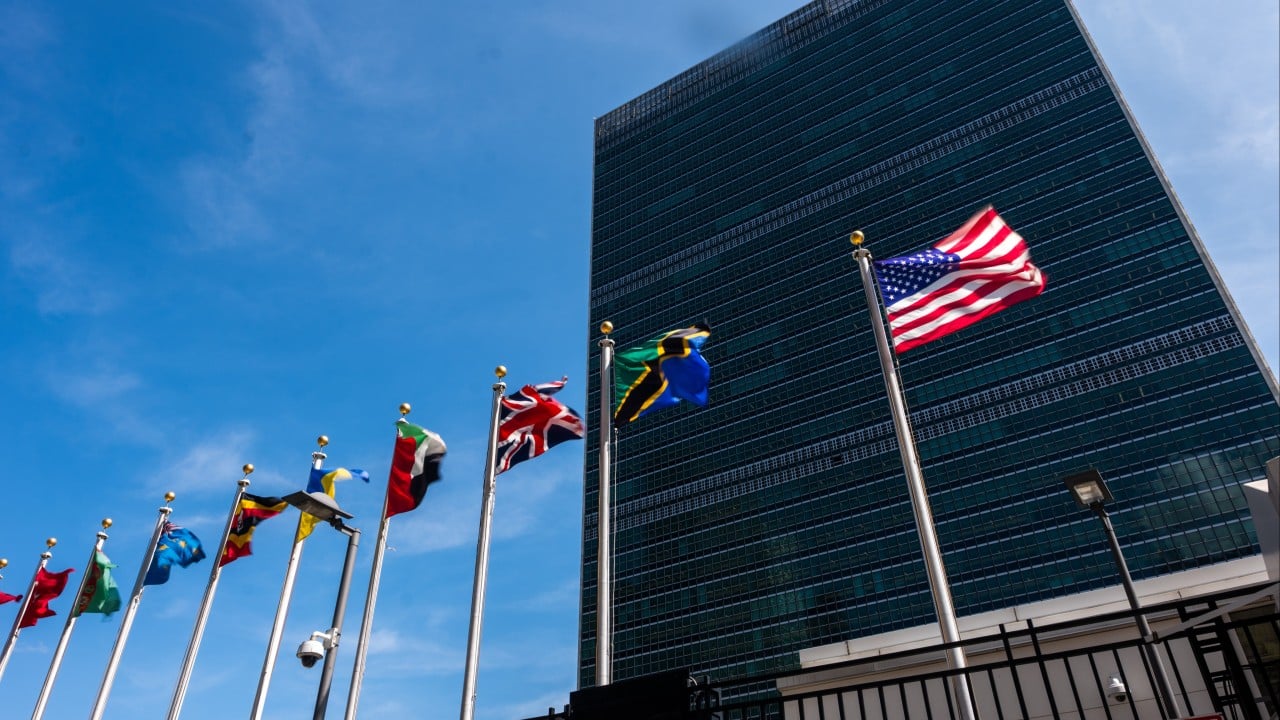
- UN General Assembly Moves: Pay attention to upcoming diplomatic summits in New York, where Iranian delegations and Western powers will test whether any room for negotiation remains.
The crisis on the Red Sea proves that regional wars rarely stay localized. They ripple outward until they touch every corner of the global economy.