The 2022 Viasat cyberattack was a wake-up call that nobody could hit the snooze button on. On the day of the Ukraine invasion, thousands of satellite modems across Europe went dark. It wasn’t just a localized glitch. It was a calculated strike against critical infrastructure. Security teams scrambled, realizing the old rulebooks for digital defense didn't apply to orbital assets.
Now, a new approach is hitting the market. It’s called "software understanding." It moves past the reactive, signature-based defense models that failed to stop that initial breach. Instead of just looking for known bad files, this technology uses complex mathematics combined with machine intelligence to map out exactly how code functions.
Moving Past Signature-Based Detection
Most cybersecurity tools are glorified librarians. They compare every incoming piece of data against a massive catalog of "known bad" files. If a file isn't in the book, the system often lets it through. That’s a losing game against state-sponsored actors who write custom, one-off malware for every mission.
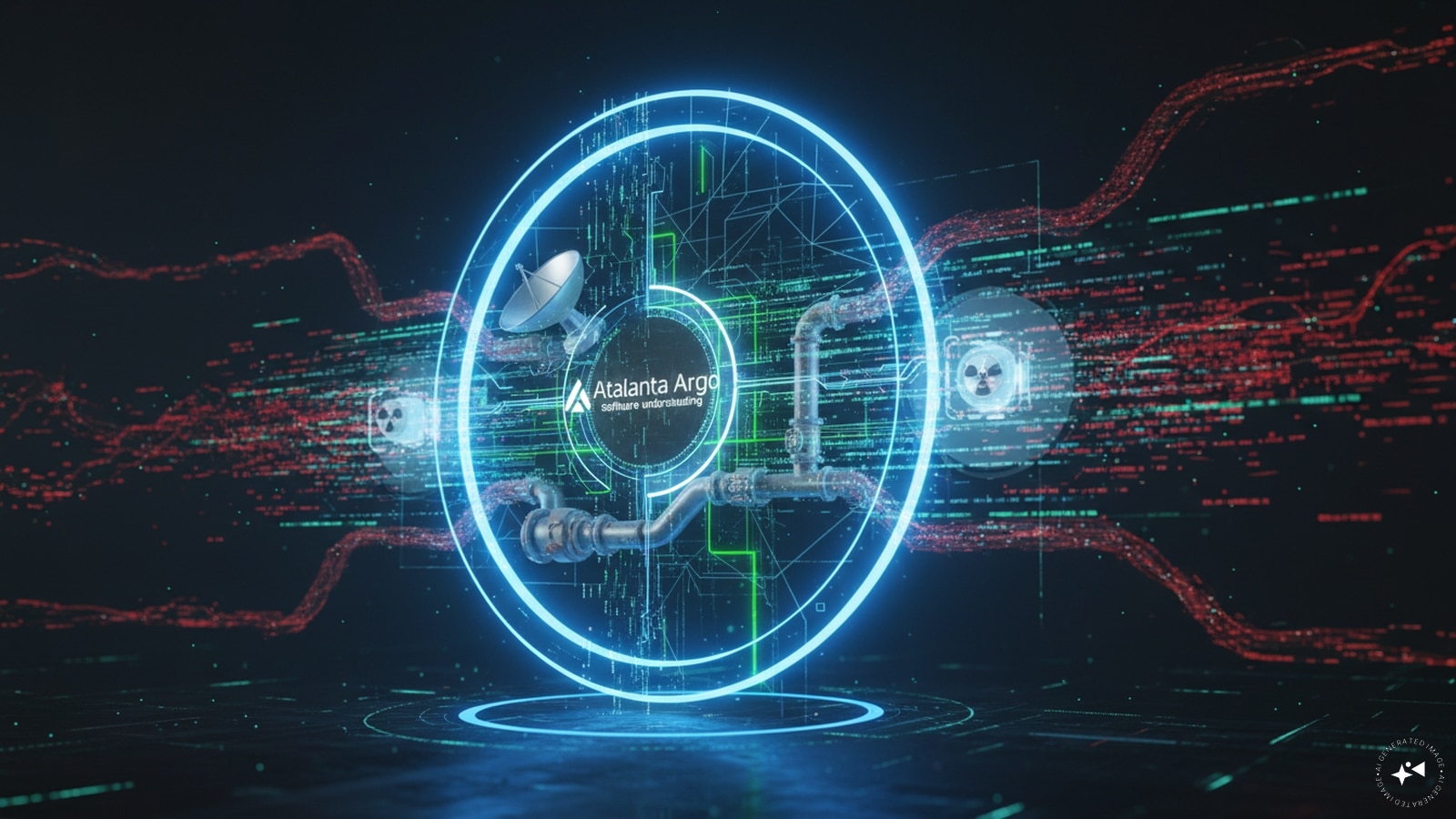
The new tool, branded as "Argo" by the cybersecurity firm Atalanta, flips the script. It doesn't ask "have I seen this before?" It asks "what does this code actually do?" By analyzing software at the mathematical level, it can identify malicious intent even in code that has never been seen by any antivirus database.
Viasat’s own cyber strategy chief, Nick Saunders, noted that this isn't just about blocking threats. It’s about building a mathematical proof that a system is resilient. When you’re dealing with space assets, you don't get to reboot a server if something goes wrong. You need to know the system is hardened before it ever launches or receives a patch.
Why This Matters for Critical Infrastructure
If you think satellite hacks are only a problem for soldiers in the field, you’re missing the bigger picture. Modern life runs on space-based signals. Everything from electricity grids to water treatment plants and GPS services relies on these links.
Hackers know this. We’ve already seen groups targeting water and wastewater systems in the U.S. using these same digital vulnerabilities. The shift toward "software understanding" is a response to this reality. It’s no longer enough to build a firewall and hope for the best. You need to verify that the software underpinning your control systems is fundamentally sound.
The Role of Formal Methods
This tech isn't just a shiny new object. It’s the commercialization of decades of research. Agencies like DARPA have spent upwards of $2 billion on "formal methods"—the math-heavy process of proving code correctness.
For years, this stayed in the lab because it was too expensive and too slow for real-world deployment. Atalanta’s product is notable because it finally makes this level of analysis accessible. Greg Shannon, a chief scientist at Idaho National Laboratory, expects this to be standard practice within a decade. Think of it as a structural integrity test, but for the code inside your critical equipment.
What You Should Do Now
If you’re in a sector that handles critical infrastructure, stop assuming your current security stack is enough.
- Audit your dependencies: Most breaches happen because of a third-party library or an unvetted firmware update. Do you know what’s actually in the code running your hardware?
- Shift to proactive verification: Move your budget toward tools that analyze behavior and code logic rather than just monitoring traffic.
- Plan for the worst: If your primary communication link goes down, what’s your automated fallback? The 2022 attack proved that manual recovery is far too slow when the goal is systemic disruption.
We are currently in a new era of digital conflict. The old tools are failing, and the stakes are rising. If you aren't digging into the math behind your security, you're just waiting for the next outage to find the gaps for you.
Understanding the Viasat KA-SAT Cyberattack
This video provides an expert breakdown of the Viasat incident from 2022, explaining the specific network-based tactics used to disrupt communication and why traditional forensic approaches were challenged by the attack's intensity.