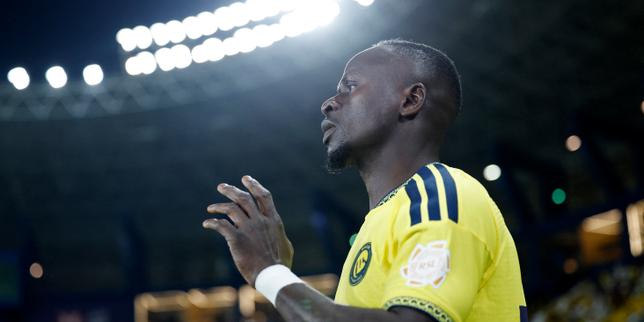
Most athletes buy exotic cars or luxury mansions when they hit financial success. Sadio Mane is using his millions to build mango processing plants in his tiny hometown of Bambali, Senegal.
The former Liverpool and Bayern Munich star isn't just handing out cash or funding another charitable facade. He is pouring 11.7 billion CFA francs—roughly $20.5 million—into an ambitious agro-industrial venture named SM10 Agro. Located in the fertile Casamance region, this massive project covers 500 hectares of new orchards and aims to tackle a heartbreaking local problem: massive agricultural waste.
If you've ever spent time in southern Senegal during harvest season, you know the heartbreak. Thousands of tons of sweet, ripe mangoes rot on the ground every single year. Local farmers lack the cold storage, processing infrastructure, and export channels required to sell their bumper crops before they spoil. Between 30 and 40 percent of the harvest vanishes into thin air. Mane saw this cycle of waste and decided to rewrite the script entirely.
What SM10 Agro Actually Changes on the Ground
Building a hospital or a school is a noble pursuit, and Mane has already funded both in Bambali, alongside a mosque, a fuel station, and a local bakery. But charity alone doesn't build a sustainable economy. Jobs do.
SM10 Agro introduces real manufacturing muscle right where the fruit grows. Instead of shipping raw, unrefined produce across borders for pennies, Mane’s initiative processes everything locally. The new industrial park includes specialized units to create mango purée, dried mango snacks, and even mango butter, alongside fresh export preparation facilities. Guava is also joining the production lineup.
The numbers speak for themselves. The initiative is projected to generate over 1,000 direct jobs. It features 78,000 planned mango trees and a processing capacity scaling up to 8,500 tonnes annually. Crucially, the project integrates an agricultural training center. Young locals won't just get hired; they'll learn modern farming techniques, industrial maintenance, and supply chain logistics that keep the local economy running long after the harvest ends.
Keeping Local Wealth Where It Belongs
Mane put it bluntly during his presentation in Dakar alongside the national investment promotion agency, APIX: he wants the wealth of the land to stay with the people who work it.
Africa has spent decades exporting raw commodities while importing expensive finished goods derived from those exact same resources. It is a broken economic loop. By building state-of-the-art processing infrastructure right in the Sédhiou region, Mane is proving that rural communities can anchor high-value industries. Farmers get a guaranteed buyer for their crops. Young workers secure stable, long-term employment close to home.
You don't need a degree in macroeconomics to see why this matters. When local youth have real career paths in agriculture and manufacturing, the pressures of irregular migration lose their grip. People stay because they can build a dignified life where they were born.
Beyond the Soccer Pitch
Mane’s career on the pitch speaks for itself. He's won Champions League titles, bagged trophies in England and Germany, and smashed records as Senegal's all-time leading scorer. He even won the Socrates Prize in 2022, which honors humanitarian work rather than goals scored.
Yet, this $20.5 million agricultural bet feels entirely different from standard philanthropic donations. It’s a commercial, profit-driven engine designed to be self-sustaining. It treats the local population not as charity cases, but as entrepreneurs, laborers, and business partners.
Stop looking at sports stars merely as entertainers. When a player uses global earnings to transform local agricultural supply chains, they change the future of an entire region. Watch how Bambali develops over the next few years. This might just become the ultimate blueprint for athlete-led investment across the continent.