Moscow is floating a bold idea again. Russian officials recently suggested building an overland rail and energy corridor connecting Russia to the Indian Ocean, bypassing volatile maritime chokepoints like the Strait of Hormuz. It sounds efficient on a map, but anyone who has spent time navigating the complex geopolitical geography of Central and South Asia knows this is more about optics than engineering.
You’re hearing about this because global energy markets are sweating. With the Strait of Hormuz facing recurring disruptions throughout 2026, roughly 20% of global oil shipments have been at risk. India, which imports nearly 90% of its crude, is understandably looking for a safety net. Russia is happy to offer one, but we need to strip away the rhetoric and look at the physical reality of building a multi-thousand-kilometer pipeline or rail network through some of the most difficult terrain on the planet.
The Geography Problem
Let’s be honest about the route. To get Russian oil or cargo to India by land, you have to cross a gauntlet of states: Turkmenistan, Iran, Afghanistan, and Pakistan. Each of these countries brings its own set of risks.
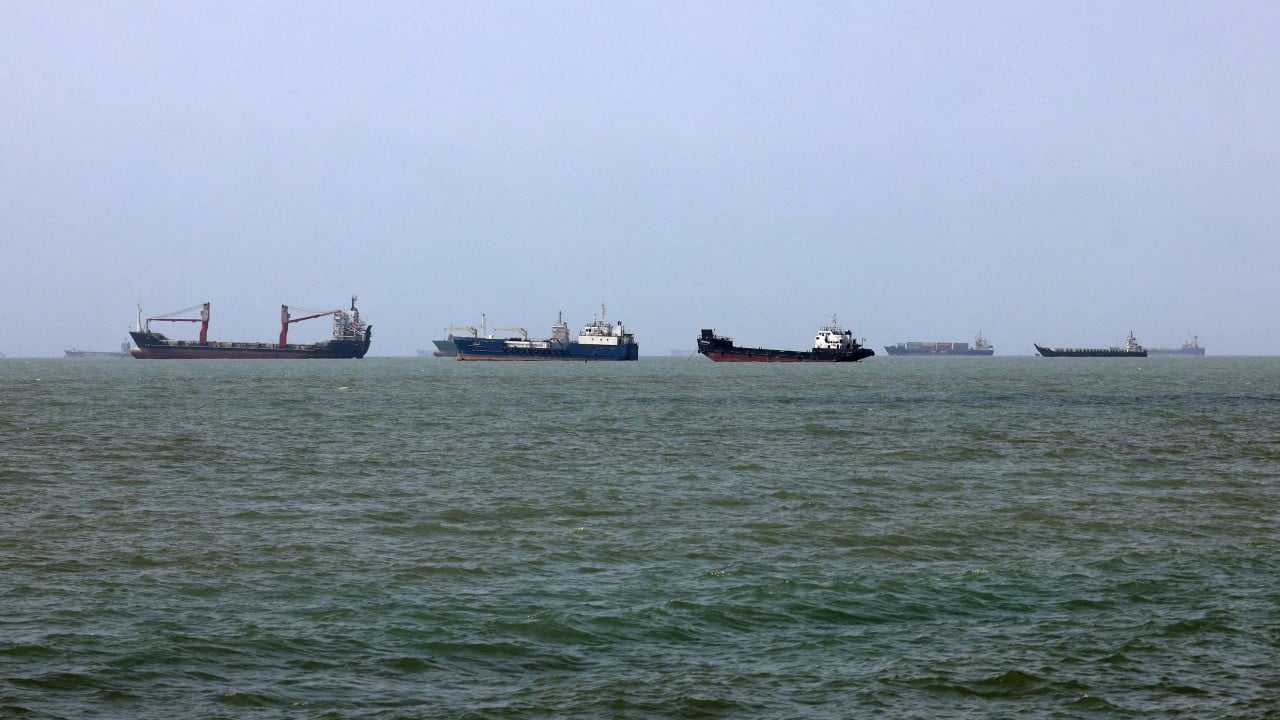
You aren't just building a road or a pipe. You are negotiating passage through regions where internal stability fluctuates daily. Even if you manage to secure political buy-in from all four nations, the engineering costs alone are astronomical. We are talking about thousands of miles of infrastructure crossing high-altitude mountain passes and arid deserts. Compare this to the current "shadow tanker" fleet—the aging, sanctioned vessels moving Russian oil to Indian refineries today. Despite the risks of sanctions and sea-based chokepoints, those ships are currently moving product. A multi-billion dollar, decade-long infrastructure project doesn't solve a supply crisis happening right now.
Why This Isn't a Real Solution
Investors love a good "game-changer" narrative, but energy security is won in the boring details of terminal capacity and storage, not in futuristic transit maps.
- Capital Allocation: Russia’s domestic construction sector is already stretched. Securing consistent, long-term financing for a project that spans hostile borders is a massive gamble.
- Political Volatility: Can you realistically rely on a supply chain that depends on the political alignment of five different governments—all of which have varying relationships with the West and each other? Probably not.
- The "Shadow" Reality: Right now, India is already using a complex, high-risk system to keep its refineries running. It involves temporary U.S. sanctions waivers and a fleet of non-standard tankers. It’s messy, but it’s operational. Switching to an overland route would require a level of diplomatic and financial alignment that we haven't seen in this region for decades.
What Actually Matters for India
If you're tracking India’s energy security, ignore the high-level talk about new trans-continental railways. Focus instead on these three areas where real work is happening:
- Storage Expansion: India is steadily increasing its Strategic Petroleum Reserves. This provides a literal buffer against temporary shipping disruptions, which is infinitely more practical than a fantasy pipeline.
- Diversification: The goal is to avoid over-reliance on any single region. India is balancing Russian crude with supplies from the Gulf, West Africa, and the U.S. when sanctions allow. This is the definition of a mature energy strategy.
- Port Modernization: The real action is at the docks. Investing in faster offloading and better pipeline connectivity from India’s own ports is where the actual throughput gains are made.
The Bottom Line
Russia wants to keep its oil flowing to India, and India needs to keep its refineries fed. That reality will keep trade moving regardless of whether a new rail line is ever laid. The current surge of interest in "overland routes" is a symptom of market anxiety during the 2026 supply crunch.
When the shipping lanes eventually settle—or when the market finds a new equilibrium—these grand, continental project proposals usually fade back into the background. Don't waste your time waiting for a groundbreaking ceremony. Real energy security in 2026 is about keeping those tankers moving and keeping your storage tanks full.
This video provides additional context on the current logistical challenges and the specific risks currently impacting maritime oil transit near the Strait of Hormuz.