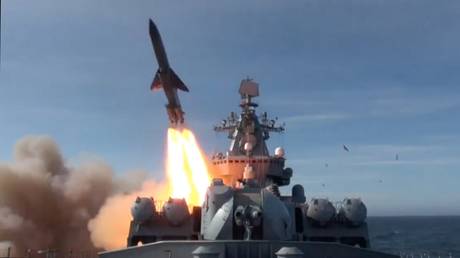
The Kuril Islands are back in the headlines, and for all the wrong reasons. This week, Russia escalated its military presence in the region by conducting live-fire missile tests near these disputed territories. Japan, which has long claimed these islands as its "Northern Territories," isn't taking this quietly. They’ve lodged a formal diplomatic protest, calling the move "unacceptable."
If you're wondering why this matters, you aren't alone. This isn't just about a few rocky islands in the Pacific; it's a window into the deteriorating relationship between Moscow and Tokyo.
The current reality of the dispute
To understand the tension, you have to look at the history. The Soviet Union seized these islands in the waning days of World War II, back in 1945. They expelled the Japanese residents, and for eight decades, the status of the Southern Kurils has prevented the two nations from signing a formal peace treaty.
Basically, the war never officially ended between them.
The latest friction points to a deeper shift. Vladimir Putin visited Iturup island—part of the disputed chain—on August 13, 2026. That was his first visit to the territory. Just days later, the Russian Pacific Fleet went full-throttle with their live-fire drills.
A show of force
The Russian military didn't just fire a couple of warning shots. This was a complex, coordinated demonstration of strike capabilities. According to the Pacific Fleet, the exercises involved:
- The Guards cruiser Varyag: Firing two Vulkan anti-ship missiles.
- The nuclear-powered submarine Omsk: Launching Granit cruise missiles.
- The Bastion coastal defense system: Striking targets with an Oniks missile.
These missiles were fired at targets over 300 kilometers away, simulating enemy ships. By using a mix of surface, subsurface, and land-based assets, Moscow is sending a clear message: they have the reach to dominate the sea lanes near the islands.
Why Tokyo is rightfully worried
Japanese Foreign Minister Toshimitsu Motegi didn't mince words while on a diplomatic trip to Oman. He stated clearly that this military buildup is inconsistent with Japan’s position and simply won't be accepted.
From Tokyo’s perspective, this isn't just routine training. It's a calculated move. Japan has gradually abandoned its strict post-war pacifist stance. They are increasing defense spending, tightening security pacts, and even deploying their own missile launchers to outer islands.
When you look at the bigger picture, it’s not hard to see why. Japan has aligned itself firmly with G7 nations in sanctioning Russia since the 2022 invasion of Ukraine. Moscow sees this alignment—and potential Japanese support for Ukraine, such as sending equipment—as a direct threat. These missile drills are, in my view, a blunt warning to Tokyo: "Back off your support for Western security initiatives, or we will increase our presence on your doorstep."
What this means for the future
The region is turning into a powder keg. Putin recently noted that the area is becoming "increasingly prone to conflict," claiming that NATO-aligned blocs are trying to gain a foothold. Whether you agree with that assessment or not, the result is the same: increased military hardware in a very small, very contested space.
If you are following this for business, investment, or security reasons, keep an eye on these three things:
- Diplomatic fallout: Expect more frequent summoning of ambassadors. The "peace treaty" talks are effectively dead for the foreseeable future.
- Defense spending: Japan will continue to ramp up its military capabilities. The narrative of "urgent crisis" is now a permanent fixture of their defense white papers.
- Joint patrols: Watch for more frequent "patrols" by Russian and Chinese aircraft near Japanese airspace. The strategic partnership between these two nations is clearly intended to test the cohesion of the U.S.-Japan security umbrella.
Russia isn't backing down, and Japan is running out of patience. Don't expect this to calm down by the time the currently scheduled exercises wrap up on August 29. This is the new normal in the North Pacific. Stay focused on the strategic movements of the Pacific Fleet rather than the empty rhetoric of diplomatic statements. Real policy is currently being written by cruisers and submarines.


