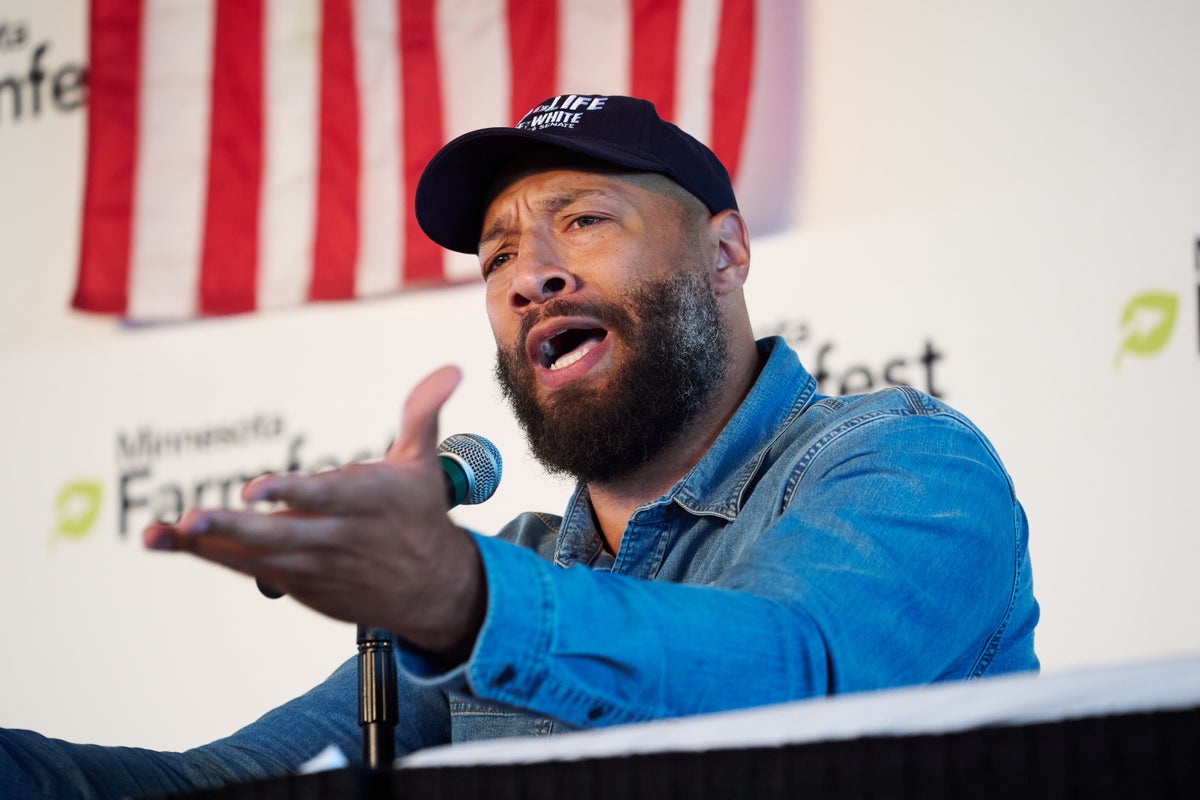
Political comebacks don't always go according to script. When Royce White stepped back into the electoral arena for the Minnesota Republican Senate primary, he expected a different outcome than his 2024 run. Instead, he watched former sports broadcaster Michele Tafoya secure the GOP nomination with over 51 percent of the vote, while White lagged far behind with roughly 11 percent.
You might wonder what happens to a high-profile populist candidate after a decisive primary defeat. In modern politics, losing a local race doesn't mean exiting the stage. It often serves as a springboard for entirely new ambitions. White's political trajectory offers a fascinating look at how fringe campaigns operate, adapt, and pivot when local voters choose a different path.
The Crowded GOP Primary Battlefield
The Minnesota Republican primary wasn't a quiet affair. Voters faced a packed ballot featuring multiple high-profile contenders. Michele Tafoya, known nationally for her long career as an NBC Sports sideline reporter, dominated fundraising and captured the lion's share of conservative support. Meanwhile, Navy SEAL veteran Adam Schwarze held the official state party endorsement.
Royce White campaigned hard on an anti-establishment platform, emphasizing populist grievances, supply chain nationalism, and critiques of global institutions. Yet, primary voters gravitated toward Tafoya's broader organizational backing and war chest. White finished third behind Tafoya and Schwarze, pulling in roughly 45,000 votes.
When the numbers rolled in on August 11, the writing was on the wall. But stopping isn't part of White's playbook.
Moving Past the Senate Loss
Electoral losses sting, especially for polarizing figures who build entire brands on fighting conventional power structures. White didn't handle the defeat by quietly fading into the background. He immediately directed his frustration at internal party dynamics, specifically targeting Tafoya's moderate stance on abortion rights.
He made it clear that ideological purity remains his primary currency. For voters trying to understand the internal fractures within modern state parties, this post-primary fallout highlights a deeper rift. The battle isn't just between Democrats and Republicans; it is an ongoing civil war between establishment figures and populist agitators.
What Comes Next for Political Outsiders
If you look closely at how modern independent and populist movements function, primary defeats are treated as mere temporary setbacks. When traditional paths like the U.S. Senate close, candidates look for wider megaphones. White's career has always defied standard political categorization, moving from college basketball and NBA draft status to mental health advocacy, protest leadership, and aggressive right-wing commentary.
Winning elections requires building broad coalitions. When a candidate relies exclusively on a hardline base, ceiling limitations become obvious on election night. Tafoya built a multi-million-dollar campaign fund and appealed to everyday conservative priorities like public safety and government spending, whereas White's messaging leaned heavily into cultural combat and systemic takedowns.
The primary results proved that Minnesota Republican voters wanted a standard conservative nominee to face the Democratic ticket in November. White's supporters wanted a political grenade. The ballot box chose stability over disruption.
Pay attention to how these rejected populist figures pivot in the coming months. They rarely vanish. They simply change the venue.