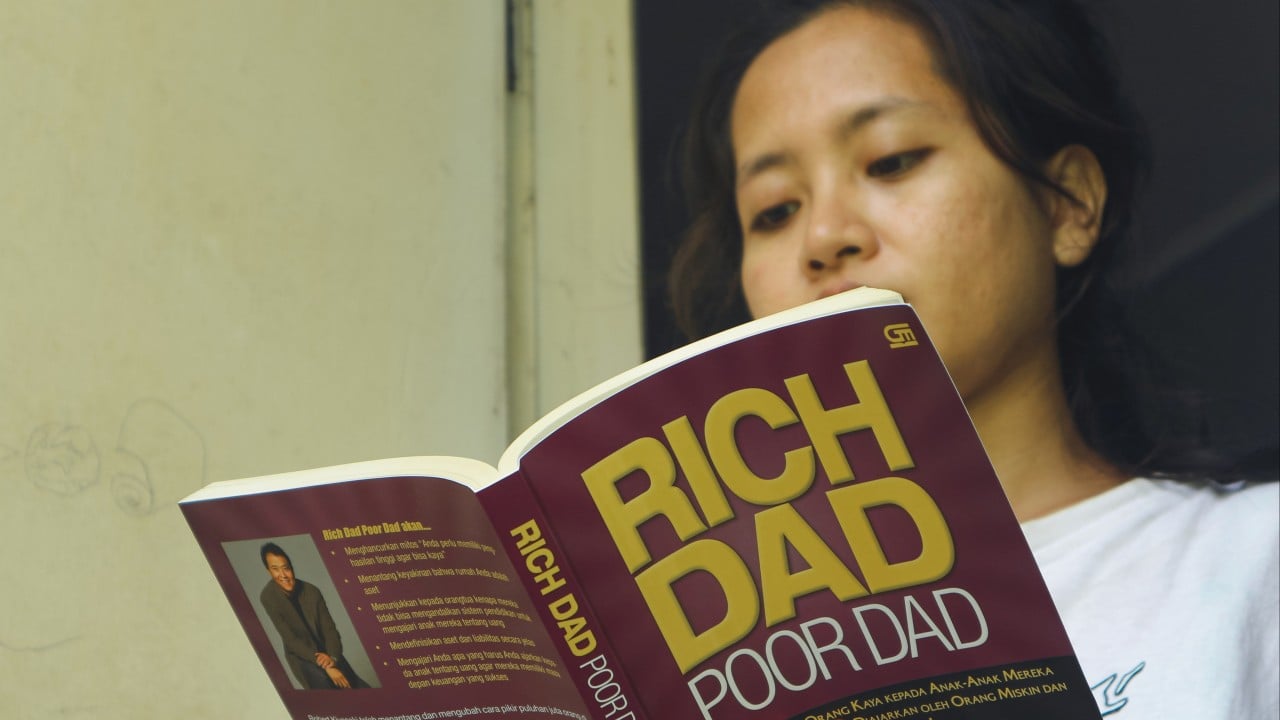
When the author of Rich Dad, Poor Dad casually mentions he is sitting on $1.2 billion in debt, normal people panic. Robert Kiyosaki just smiles and calls it a weapon. This massive figure recently traveled across the globe, landing hard in China where it triggered a wild mix of awe, shock, and deep frustration.
If you are wondering why Chinese social media and financial forums exploded over this number, you have to look at the local context. For years, ordinary property buyers and real estate entrepreneurs in China absorbed brutal losses during a historic property market crash. Watching a 79-year-old American financial guru brag about billions in corporate liabilities while remaining unfazed feels surreal to anyone who just watched their own property equity evaporate. Meanwhile, you can find other events here: Why The Coming Gulf Economic Shock Changes Everything You Know About Middle East Oil.
Let us clear up the core misconception right away. Does Kiyosaki personally owe $1.2 billion to a bank that is about to repossess his pajamas? Not even close.
According to financial disclosures and clarifications from his longtime business partner and ex-wife Kim Kiyosaki, that billion-dollar mountain belongs to multi-party real estate syndications and corporate entities. It represents mortgages tied to roughly 1,500 apartment units owned alongside various business partners. Kiyosaki's personal equity share of that liability is estimated to be a fraction of the total, likely hovering between $30 million and $60 million. To explore the complete picture, we recommend the detailed article by The Economist.
Furthermore, these debts sit inside limited liability companies. If a portfolio tanks, the legal firewall is designed to protect personal assets from total liquidation. As Kiyosaki famously puts it, you talk to his attorney if things go south.
Why Chinese Investors Feel Burned
The reaction in China is not just random internet chatter. It highlights a massive cultural and systemic divide in how debt is perceived.
For generations, average Chinese households viewed property ownership as the ultimate, safest path to generational security. People stretched their finances to the absolute limit, taking on heavy mortgages to buy apartments. When the property market turned sour, those debts stopped being clever leverage and turned into crushing anchors.
So when a wealthy American guru tells millions of readers that "good debt" makes you rich, many Chinese investors feel a bitter sting. They followed the basic mantra of buying real estate to build wealth, but unlike billionaire authors with corporate legal buffers, they lacked the safety nets. They got caught holding toxic liabilities while the market collapsed beneath them.
The Real Danger of Copying the Rich Dad Playbook
Kiyosaki himself admits his strategy is not for amateurs. On various podcasts, he warns people not to copy his exact moves unless they have studied the game since the 1970s.
Yet, millions of readers skip the warning labels. They read the books, see "use debt to buy assets," and jump headfirst into over-leveraged real estate without understanding the mechanics.
Here is what most people get wrong about using leverage:
- Cash flow is king: Debt only works if the asset generates enough monthly income to service the interest and principal. If vacancies spike or interest rates jump, the math breaks instantly.
- Entity structures matter: Personal guarantees destroy the protective walls of an LLC. If you sign personally for a commercial loan, a default will take your house, your car, and your savings.
- Scale creates cushion: A massive real estate portfolio across multiple markets can absorb a failing property. A single investor buying two rental units with maxed-out credit cannot survive a single bad tenant or market correction.
What You Should Do Instead
Stop treating financial bestsellers as step-by-step instruction manuals. Real estate investing requires boring spreadsheets, strict risk management, and cash reserves that most beginners ignore.
If you want to use leverage, start small. Build an emergency fund that covers at least six months of vacancy or mortgage payments. Understand local market cycles instead of buying blindly based on macro hype. Most importantly, never take on debt that requires perfection to survive. Real markets are messy, unpredictable, and entirely unforgiving.



90263-9/asset/d8481e5f-b6e0-422a-8f01-a41cde75c280/main.assets/gr1_lrg.jpg)