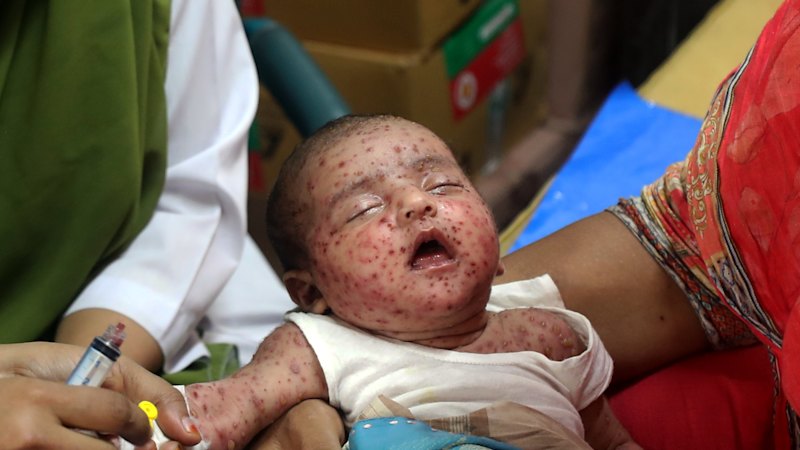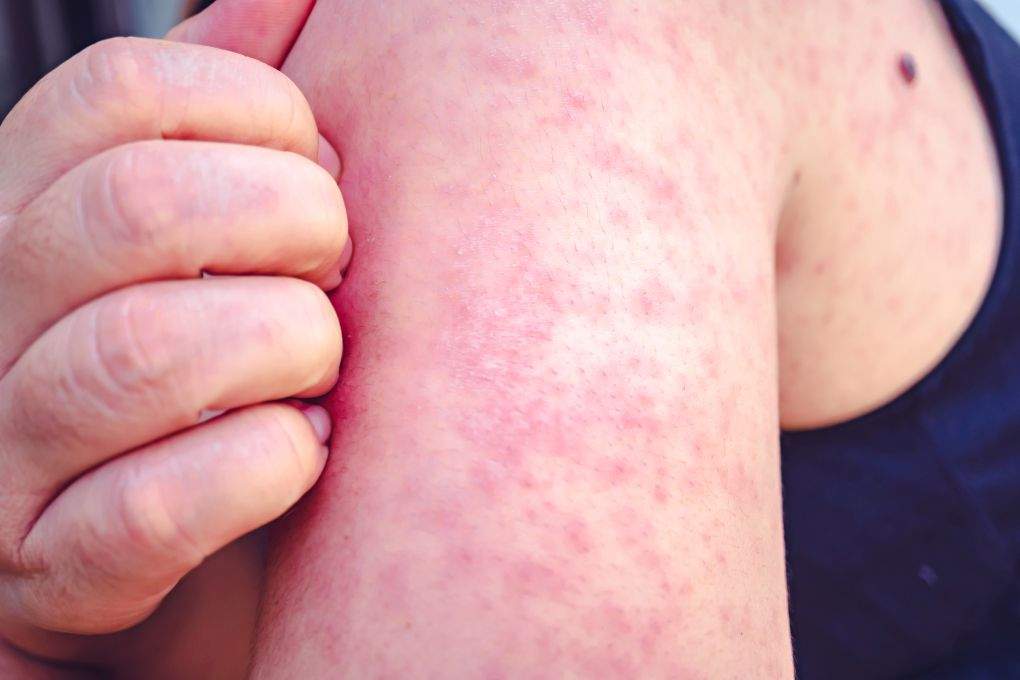
Measles is making a loud, unwelcome comeback across the United States, and the numbers don't lie. The Centers for Disease Control and Prevention recently reported that confirmed measles cases have surged to 4,410 nationwide, jumping by 330 infections in just one single week.
If you thought measles was a disease of the past, you aren't alone. For decades, widespread vaccination kept this virus effectively locked away. But falling immunization rates, growing vaccine hesitancy, and gaping community immunity holes have changed the math entirely. Also making waves recently: What The Vatican Got Right About Pope Leo And His Lung Surgery.
Let's look at what's actually happening on the ground and why public health experts are sounding the alarm.
The Epicenter and the Federal Response
Pennsylvania has turned into the primary battleground for the country's largest active outbreak. As of mid-October, state health officials tracked 1,222 cases spanning 42 different counties. The human toll there is mounting fast: 225 hospitalizations, five confirmed measles-associated deaths, and health officials actively investigating a sixth potential fatality. Additional insights on this are covered by CDC.
When local systems get overwhelmed, federal backup gets called in. The CDC dispatched a specialized "disease detective" from its Epidemic Intelligence Service straight to Pennsylvania via an Epi-Aid deployment. Their job is to track transmission chains, support local clinics, and help curb community spread.
Meanwhile, New York Governor Kathy Hochul declared a statewide disaster emergency as infections threatened to spill across state lines. That emergency order expands healthcare professional credentials, allowing authorized nurses greater flexibility to order testing and administer shots where they're desperately needed.
Who is Getting Sick?
The demographic breakdown shatters the old myth that measles is just a mild childhood rash.
According to federal data, children and teenagers between five and 19 years old make up 42 percent of the 4,410 cases. Adults aged 20 and older aren't safe either, accounting for 41 percent of infections. Young children under five represent the remaining 17 percent.
Hospitalizations tell an equally grim story. Nationwide, 451 people have required hospital care this year—roughly 10 percent of all reported patients. Severe complications hit the youngest and oldest the hardest. Kids under five faced a 15 percent hospitalization rate, while adults over 20 experienced a 14 percent rate.
Measles isn't just itchy spots and a fever. It destroys the immune system's memory cells, leaving survivors vulnerable to other dangerous infections for months afterward.
Why Immunity Gaps Keep Growing
How did we get here? The answer points directly to declining kindergarten vaccination coverage.
CDC records show that MMR (measles, mumps, and rubella) vaccination rates among US kindergarteners slid from a safe 95.2 percent during the 2019-2020 school year down to 92.4 percent in 2025-2026. That seemingly small drop translates to roughly 280,000 kindergarteners currently sitting unprotected and at risk.
Herd immunity requires high, sustained vaccination thresholds—usually around 95 percent coverage—because measles is arguably the most contagious respiratory virus on earth. It can linger in the air for up to two hours after an infected person leaves a room. If someone walks into a space where an infectious person was, and they aren't vaccinated, there's a 90 percent chance they will catch it.
When coverage slips below the threshold in local pockets or schools, the virus finds those gaps instantly.
What You Can Do Right Now
You don't have to sit back and wait for headlines to worsen. Check your immunization records, or talk to your primary care doctor to confirm you received two doses of the MMR vaccine. Adults born before 1957 generally have presumptive immunity from past exposure, but anyone else unsure of their status can easily get a simple blood titer test or a booster dose.
Protecting your family protects the infants too young to be vaccinated and individuals with compromised immune systems who rely entirely on community immunity. Check your local health department guidelines, stay updated on regional advisories, and get your shots updated before an outbreak reaches your neighborhood.