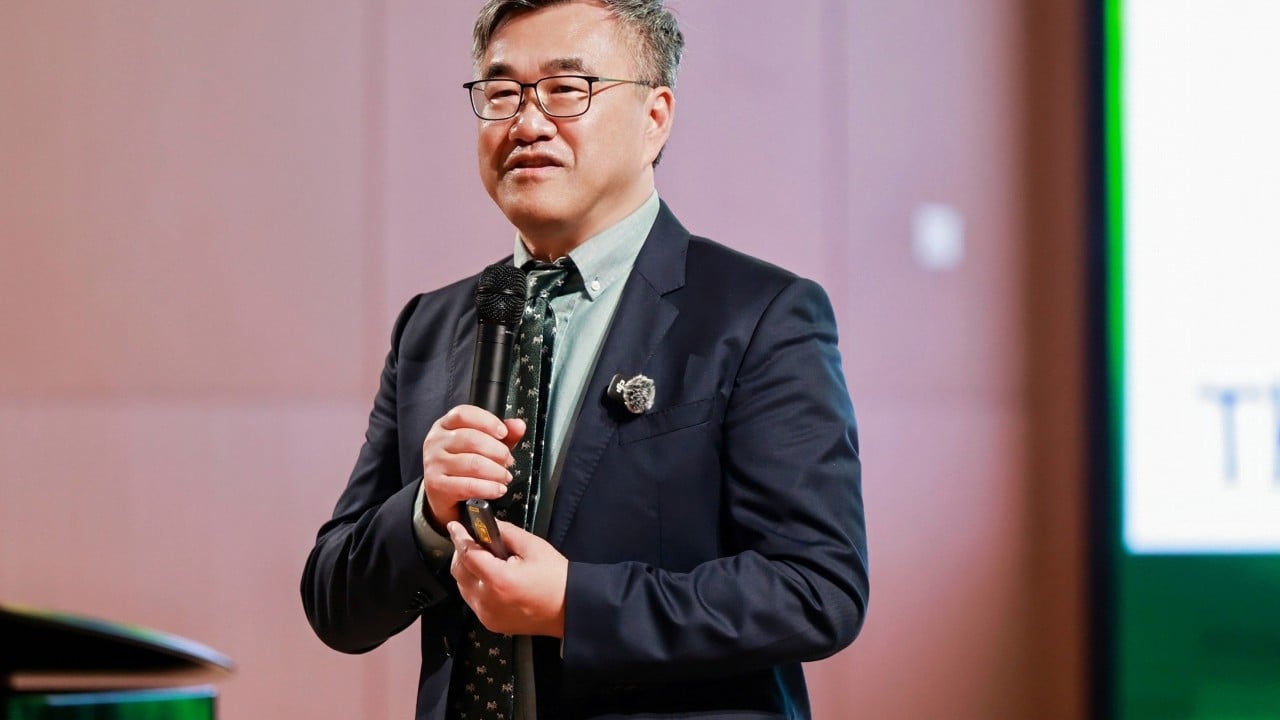
The passing of Li Renke at age 65 during a scientific conference in China marks a sobering moment for the global biomedical community. Li wasn't just another academic researcher publishing papers for tenure. He was a driving force in cardiac tissue engineering, blending mechanical engineering principles with stem cell biology to figure out how to repair human hearts that couldn't heal themselves.
If you've ever looked into why heart disease remains a leading killer globally, you know the core problem: adult human cardiac muscle has practically zero regenerative capacity. When a heart attack strikes, dead muscle tissue turns into rigid scar tissue. The heart weakens, pumps less efficiently, and eventually fails. Li devoted his career to changing that exact narrative, building artificial microtissues and exploring how engineered cell therapies could restore actual contractile function to damaged organs.
Bridging Engineering and Biology
Traditional cardiology focused heavily on pharmacology and surgical interventions like bypass grafts or stents. They patch the plumbing, but they don't replace the dead engine cells. Li took a radically different path. By working at the intersection of material science and stem cell research, he looked at the heart as a dynamic mechanical structure that needed physical engineering solutions alongside biological ones.
His collaborative work, notably with institutions like the University of Toronto, tackled the massive hurdle of how to grow functional pluripotent stem cell-derived cardiac microtissues that survive and integrate once implanted. Anyone who's studied tissue engineering knows the brutal reality: getting cells to stay alive in an ischemic, scarred heart environment is notoriously difficult. Li's research focused heavily on the structural scaffolding and microenvironment needed to give these cells a fighting chance.
The Broader Impact on Global Cardiovascular Science
Losing a researcher of Li's caliber at 65 leaves an immediate void in active mentorship and cross-border scientific exchange. Modern science isn't built by lone geniuses working in basement labs; it relies on long-term international networks, shared graduate students, and rigorous debate at conferences just like the one where he passed away.
China has poured massive resources into biotechnology and regenerative medicine over the past decade, aiming to become a global powerhouse in stem cell research. Scientists returning from institutions abroad, combined with homegrown pioneers like Li, pushed the country to the forefront of clinical and pre-clinical trials. Yet, structural challenges remain in the field. Funding cycles are erratic, clinical translation is painfully slow, and public hype often outpaces actual medical breakthroughs. Li's approach stayed grounded in hard mechanics and measurable cellular outcomes rather than empty promises.
What Comes Next for Heart Repair
The work doesn't stop because a pioneer passes, but the pace certainly feels the pressure. Researchers currently building cardiac patches and engineered muscle strips face the daunting task of scaling these therapies from animal models to safe, effective human treatments.
Regulatory hurdles are massive. Implanting living cells into human hearts carries risks of arrhythmias and immune rejection. Experts in the field are now forced to ask hard questions about how to fast-track safe clinical trials without cutting corners on patient safety.
Li's legacy lives on in the students he trained and the rigorous methodology he championed. Fixing a broken heart requires more than hope. It demands precise engineering, relentless testing, and an unwillingness to accept that scar tissue is the final chapter.