You leave the city, build a quiet life abroad, and assume the legal fallout from a turbulent past has quietly evaporated. That assumption is often deadly wrong. Years after the smoke cleared from the 2019 civil unrest, individuals who packed their bags and relocated overseas are discovering that old police files do not simply disappear.
Take the recent case of Ami Chan Hui-ching. Back in September 2019, at the height of the anti-government street demonstrations, police intercepted a 15-year-old Chan alongside five men outside a public toilet on Oil Street in Fortress Hill. Officers claimed she carried two laser pointers and two cans of spray paint. Police arrested her, released her unconditionally after seeking legal advice, and let her walk. She thought the nightmare was over. She moved to Australia in 2021.
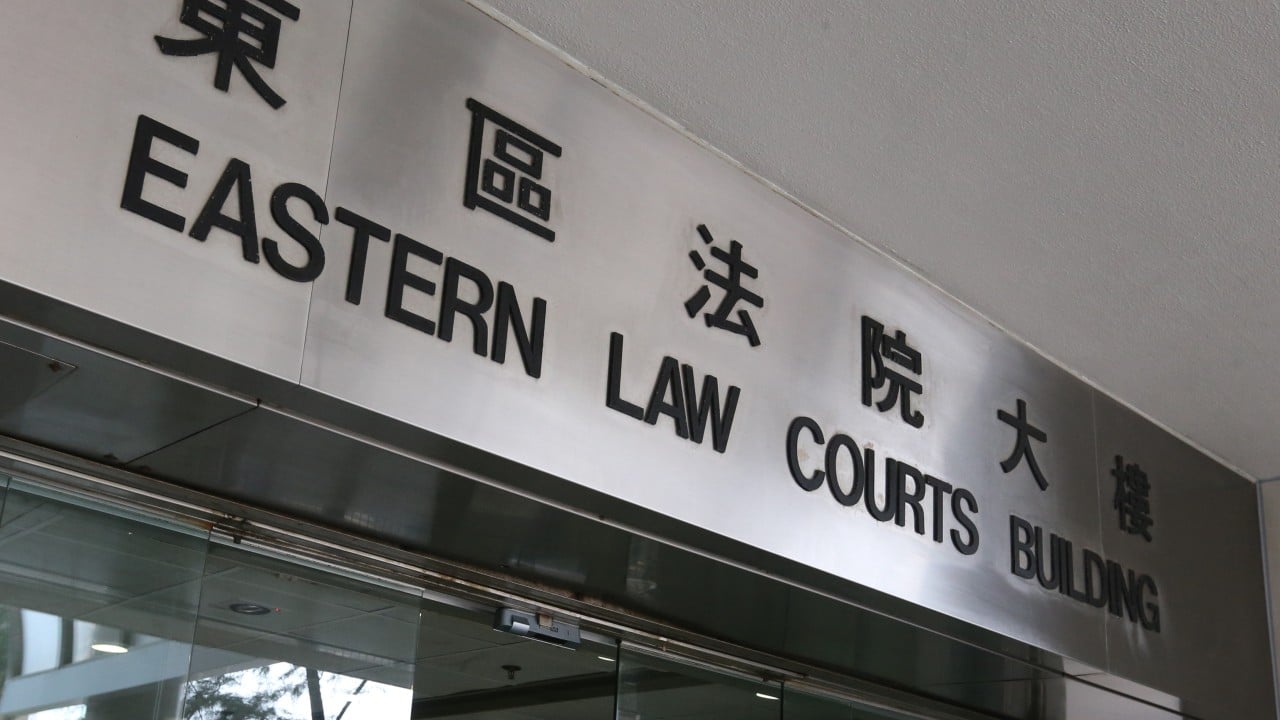
Then she came back. Five years later, her return triggered a rearrest and a direct trip to Eastern Court.
Why Normalcy Bias Trap Catches Returning Expats
People fall victim to normalcy bias all the time. They think that being released unconditionally once means law enforcement wiped the slate clean. They do not realize that under local statutes, many criminal offenses carry no expiration date or statute of limitations. Prosecutors can keep options open for years, waiting for an unsuspecting traveler to land back at the airport.
Magistrate Edward Wong Ching-yu ultimately acquitted Chan of possessing an offensive weapon and possessing items with intent to damage property, dismantling the prosecution's case piece by piece. The magistrate pointed out glaring flaws in the official narrative. There was no demonstration or crowd gathering on Oil Street when police stopped her. She wore no protest gear, carried no protective paraphernalia, and walked away from a chaotic scene in Causeway Bay that prosecutors assumed she had fled from.
Wong also dismissed a constable's verbal claims that Chan sped up her pace upon seeing officers, noting that if true, the detail would have appeared in the officer's initial written statement. The court noted that two co-defendants stopped that same night had already been tried and acquitted back in April 2021. Bringing back charges years later against someone linked to a long-defunct case highlights a persistent legal tail that continues to drag people back into the courtroom.
The Reality of Long-Tail Legal Risks
If you were anywhere near the 2019 protests, stepping back across the border or landing at Chek Lap Kok carries hidden exposure. Courts are still sorting through historical arrests, and the passage of time does not automatically translate into legal safety. Prosecutors utilize broad interpretations of possession and intent, meaning everyday items like small pocket tools, laser pointers, or spray cans can transform into criminal exhibits if tied to the tense atmosphere of those years.
Anyone evaluating a trip back needs a reality check. Do not rely on past silence from investigators as a guarantee of future immunity. Legal strategies change, judicial panels reinterpret old evidence, and files left sitting in drawers can suddenly land on a desk the moment your passport scans at customs.
Check your exposure before you book that flight home. The past has a long reach.