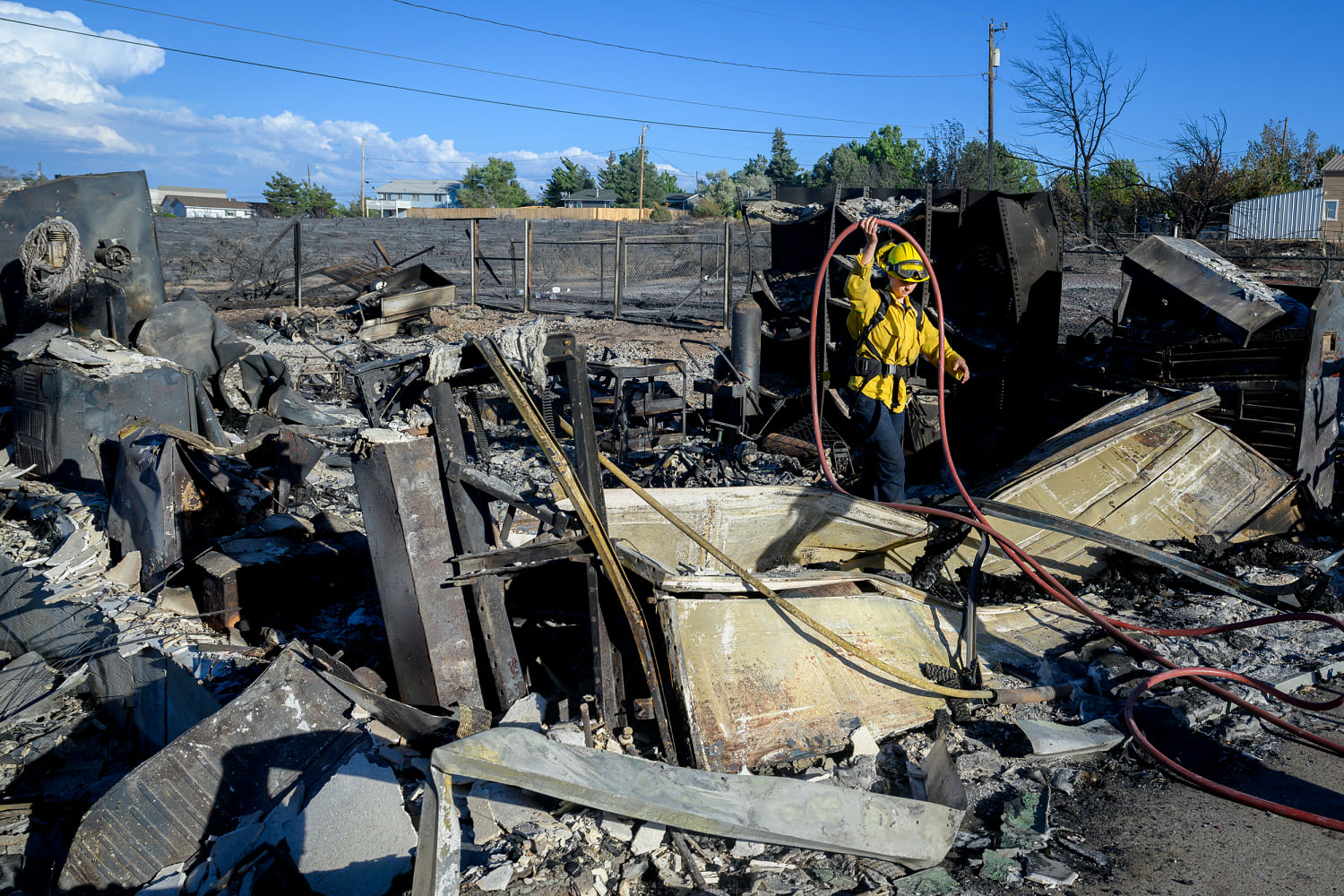
Standing at the edge of a charred neighborhood on Peavine Mountain, you realize standard news reports skip the brutal reality of what happens when evacuees finally get the green light to go back. When the Hawk Fire tore through the northwestern edge of Reno, Nevada, forcing roughly 90,000 people into evacuation zones, the initial relief of containment gave way to a much heavier truth. Returning home isn't a Hollywood moment of pure joy; it's a tense, heartbreaking assessment of ash, ruined infrastructure, and missing utilities.
The Chaos Behind the Evacuation Orders
Wildfires don't move politely. When the human-caused Hawk Fire erupted and rapidly ballooned past 15,000 acres, shifting winds made containment a nightmare for Truckee Meadows Fire & Rescue. Evacuation warnings turned into instant mandatory "GO NOW" alerts that reached right up to the University of Nevada campus.
If you've never lived through a fast-moving urban interface fire, you don't understand the sheer panic of grabbing pets, hard drives, and legal papers in under ten minutes. Roads clogged instantly. U.S. Route 395 turned into a parking lot of brake lights and smoke. While emergency shelters opened at places like the Reno-Sparks Convention Center, thousands of residents spent sleepless nights wondering if their front doors would still exist by morning.
What Officials Don't Tell You About Re-Entry
Getting permission to return sounds simple, but local authorities enforce strict safety perimeters for a reason. When some residents were finally allowed back into cleared zones, they walked into environments fraught with hidden dangers:
- Downed or compromised power lines crackling unpredictably across properties.
- Unstable structure frames ready to collapse at the slightest nudge.
- Toxic ash and soot contaminating local water systems and yards.
- Heavy emergency vehicle traffic blocking narrow residential streets.
First responders prioritize life safety over convenience. Even if your specific house survived the wall of flames, living without power, gas, or clean water turns a homecoming into an exercise in survival camping.
The Toll on the Community
The human cost goes far beyond structural damage. More than 30 homes were completely flattened by the flames, and several injuries—including first responders—marked the chaos. For local residents, like those preparing to head out for Burning Man who lost their entire camper vans and lifetime possessions stored in Reno, the fire disrupted entire seasonal rhythms.
Local businesses and community networks stepped up quickly, offering discounted hotel stays, trailer space, and logistical help, but the emotional exhaustion remains. Wildfire recovery takes years, not weeks.
Practical Steps If You Are Returning to a Fire Zone
If your neighborhood has been cleared for re-entry, don't rush back unprepared. Protect yourself and your property by following these straightforward guidelines:
- Verify official clearance: Never bypass road blocks or return before emergency management gives explicit authorization.
- Bring PPE: Wear heavy-duty N95 masks, thick gloves, and sturdy boots to protect against hazardous ash and sharp debris.
- Inspect utilities carefully: Check for gas leaks, electrical sparking, or structural compromises before stepping inside.
- Document everything: Take clear photos of any property damage immediately before starting cleanup for insurance and disaster relief claims.
Rebuilding after the smoke clears takes patience, grit, and a strong community backbone. Stay alert to changing local updates as recovery efforts grind forward.