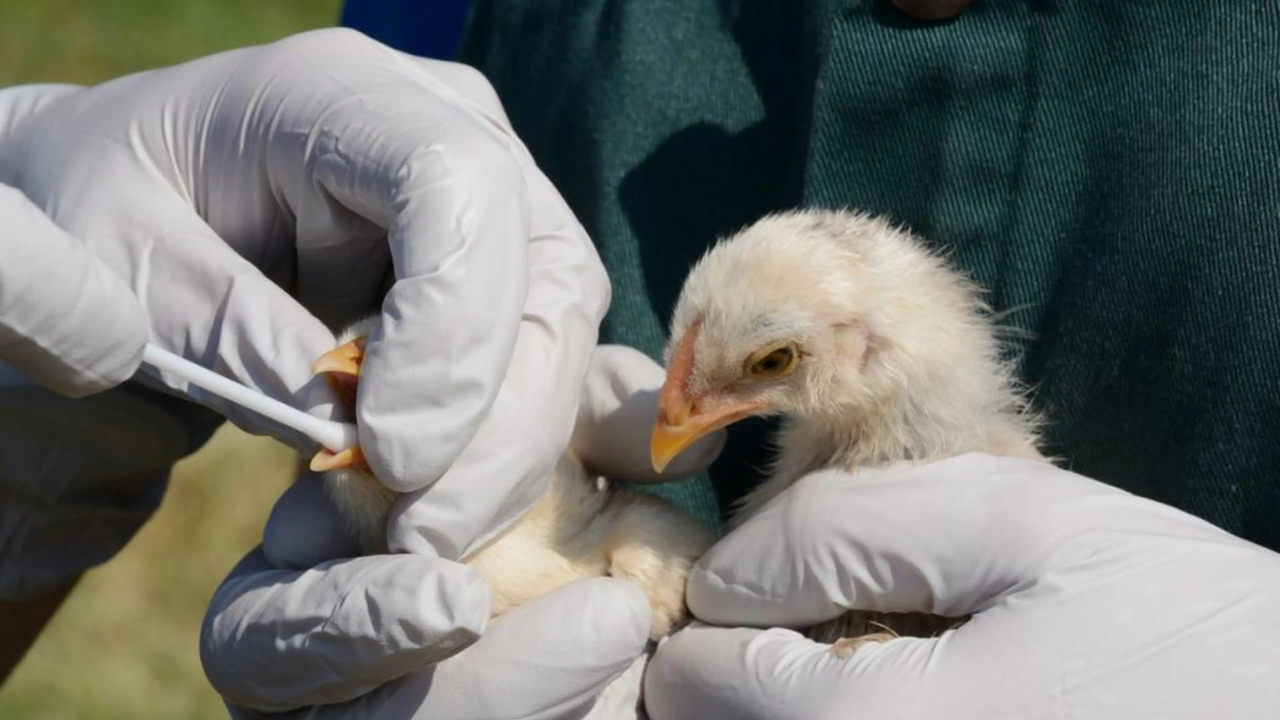
Wildlife doesn't always lose. Four years after a devastating avian influenza outbreak wiped out an entire breeding colony of Sandwich terns in West Sussex, these resilient seabirds have staged an astonishing comeback. They didn't just return to RSPB Pagham Harbour; they flooded back in unprecedented numbers, turning a ghost site into one of the largest and most successful nesting strongholds in England.
If you tracked conservation news back in 2022, you remember the despair. The H5N1 virus tore through coastal nature reserves with terrifying speed. Because Sandwich terns (Thalasseus sandvicensis) pack tightly together on narrow shingle spits and sandbanks during the breeding season, the virus spread like wildfire. Whole colonies collapsed almost overnight. Adults and chicks died by the hundreds, and the surviving birds deserted their nests in panic, leaving coastal spits completely silent. Also making news in related news: Inside The New Us Greenland Security Pact And What It Actually Changes.
Experts wondered if certain populations would ever bounce back. Seabirds generally have long lifespans and low reproductive rates. Conventional wisdom suggested a multi-year drought in numbers. Instead, the 2026 breeding season shattered expectations.
What Actually Happened at Pagham Harbour
Nature doesn't fix itself in a vacuum. The dramatic resurgence at Pagham Harbour happened because conservationists refused to let the site stay abandoned. Staff, wardens, and local volunteers from the Royal Society for the Protection of Birds (RSPB) rolled up their sleeves during the silent years. Additional information regarding the matter are explored by NBC News.
They didn't just wait for luck. They re-engineered the habitat:
- Reshaped shingle islands to maximize visibility against ground intruders.
- Cleared invasive vegetation that creeping plants had overtaken.
- Installed electric fencing and anti-predator grids to keep out foxes and badgers.
- Set up strict water barriers and seasonal patrols to minimize human disturbance from boats and walkers.
When the terns flew back north after wintering along the coast of West Africa, they found a pristine, fortified sanctuary waiting for them.
The Science Behind the Rebound
Why did they choose to return here instead of scattering permanently to other European sites? Fidelity runs deep in seabirds, but safety seals the deal. Rare Bird Alert field reports confirmed that hundreds of active nests now blanket the protected shingle ridges.
Credit also goes to the ocean. Coastal waters off West Sussex served up healthy supplies of sandeels and sprats. Without a reliable food source, adult birds cannot sustain the energy required for egg-laying and chick-rearing. Plentiful forage fish combined with zero mammalian predators created a textbook recovery loop.
Even better, the terns brought friends. Smaller ground-nesting species like Common terns, Little terns, and Mediterranean gulls clustered their nests right around the new Sandwich tern colony. They rely on the aggressive group defense tactics of the larger terns to ward off predatory crows and gulls. One species' recovery triggers an ecosystem-wide shield.
What This Means for the Future of UK Seabirds
A national assessment published in Bird Study—backed by the British Trust for Ornithology (BTO), Natural England, and NatureScot—previously painted a sobering picture of avian flu fallout. It warned that species hit hard by H5N1 could experience prolonged demographic bottlenecks.
Pagham Harbour just rewrote that script. It proves that targeted local intervention can radically accelerate recovery windows. You remove the human friction, you block the foxes, you protect the food web, and nature responds with explosive vitality.
Conservation teams aren't popping champagne just yet. New strains of avian influenza remain a constant, looming threat along European flyways. Wardens stay on high alert, monitoring flock behavior daily.
Protecting our coastlines requires this exact level of aggressive, boots-on-the-ground management. Support your local wildlife trusts, respect seasonal nesting closures on beaches, and keep dogs away from fragile shingle spits.