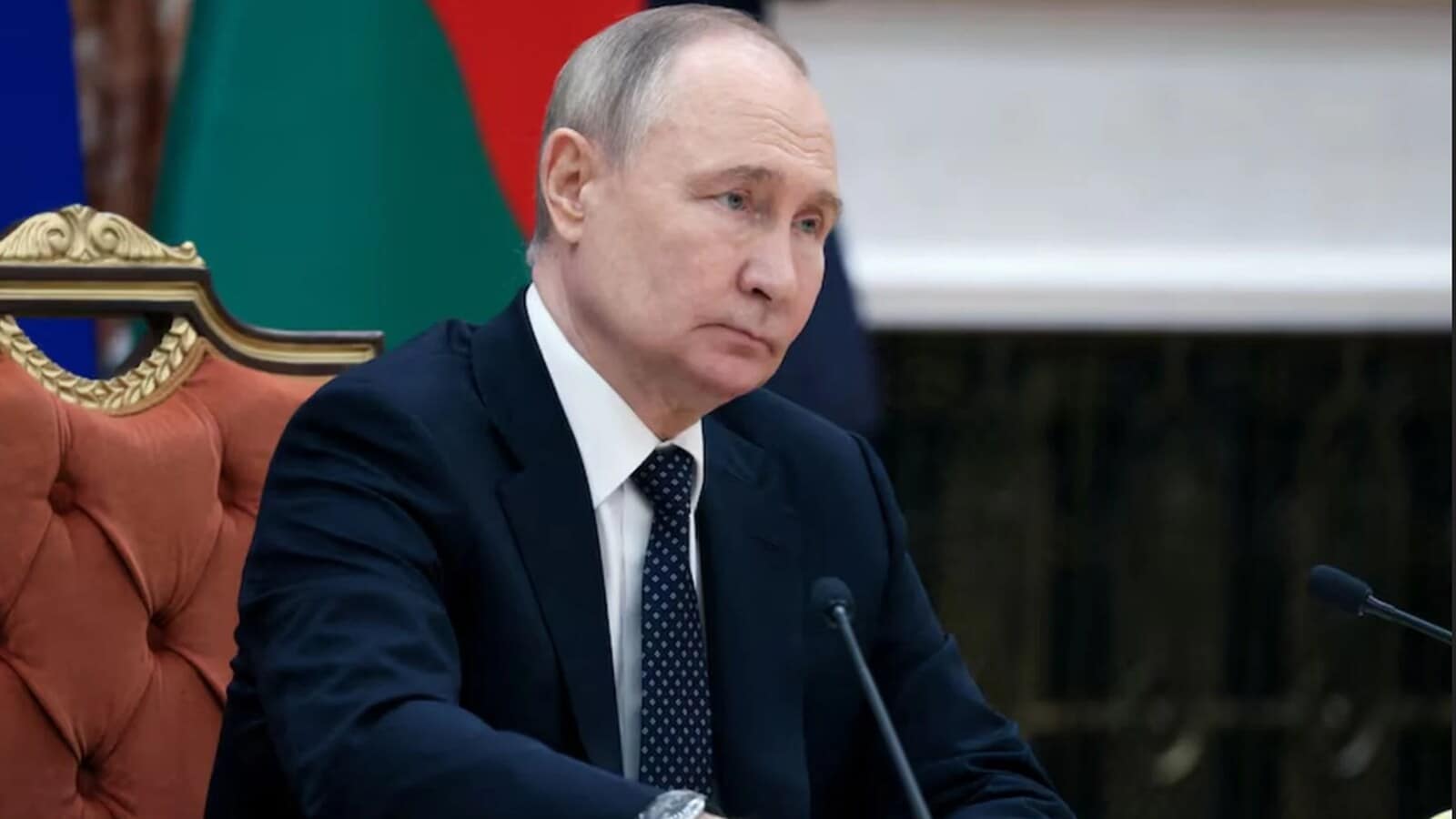
When news broke that Russia freed 24 Filipinos from a Siberian detention center, it looked like a quick diplomatic win. Philippine President Ferdinand Marcos Jr. sat down with Vladimir Putin in Kazan, brought up the issue, and suddenly a months-long nightmare ended. Just like that, 24 people who spent nearly a year locked up in the freezing city of Irkutsk were on flights back to Manila.
But if you look past the standard political handshakes, this situation reveals a much bigger, uglier picture about global human trafficking and the desperate lengths people go to find work. It is not just a story about successful high-level diplomacy. It is a harsh wake-up call about how illegal recruitment syndicates operate in corners of the world you would never expect.
The 24 Filipinos were not criminals. They did not plot anything against the Russian state. They were victims. They fell for an illegal recruitment scheme that promised stable employment, only to find themselves stuck in a Siberian legal limbo without any official charges for nine grueling months. Let's break down how this happened, why the Philippine government was left in the dark for so long, and what needs to change to protect migrant workers.
The Siberian Nightmare of the Irkutsk 24
Imagine leaving the tropical heat of the Philippines because someone promised you a good job abroad, only to end up in southeastern Siberia. Irkutsk is beautiful if you're a tourist visiting Lake Baikal, but it's an incredibly harsh place to be jailed.
The details coming from the Philippine Department of Foreign Affairs paint a troubling picture. These workers arrived in Russia sometime in 2025. They thought their paperwork was legitimate. Instead, they were caught in an immigration trap set by unscrupulous recruiters who vanished the moment things went south.
Russian authorities picked them up for immigration violations. Then, the system swallowed them. For nine months, they sat in a detention facility. They weren't formal defendants in a criminal trial. Nobody filed official charges against them. They just waited.
Why the Philippine Government Was Blind to the Situation
One of the most alarming aspects of this case is how little the Philippine embassy actually knew about what was happening on the ground. Usually, when a citizen gets arrested abroad, consular notification happens quickly. Not this time.
The Philippine government struggled to get clear information about the welfare and legal status of these 24 individuals. Siberia is thousands of miles away from Moscow, where the Philippine embassy sits. Combine that geographic distance with the bureaucratic layers of Russia's regional immigration enforcement, and you get a recipe for total isolation.
The families back home were desperate. They knew their loved ones were locked up, but they couldn't get answers. It took a face-to-face presidential intervention to finally cut through the red tape.
The Kazan Summit Meeting That Changed Everything
The resolution came during the ASEAN-Russia Commemorative Summit in Kazan. Marcos was there to lead the Southeast Asian delegation, marking 35 years of diplomatic ties between ASEAN and Russia. He also used the opportunity to hold a private bilateral meeting with Putin.
Marcos did something a lot of leaders hesitate to do in high-stakes meetings. He put a specific humanitarian issue right at the top of the agenda. He told Putin about the 24 Filipinos held in Irkutsk.
According to accounts from the Philippine press corps, Putin didn't even know they were there.
What Happened Behind Closed Doors
Marcos later told reporters that Putin seemed genuinely surprised by the situation. The Russian leader questioned why people were being held for almost a year without formal charges.
Later that evening, during a dinner for the summit leaders, Putin approached Marcos again. He told the Philippine president that Russian officials had tracked down the detainees, looked into the paperwork, and confirmed that no crimes had been committed.
Putin gave a direct assurance. He told Marcos not to worry and promised to fix the problem. By 5:00 p.m. the following day, the bureaucratic machinery shifted into high gear, and the 24 Filipinos were processed for immediate deportation.
Foreign Secretary Theresa Lazaro, who was with Marcos during the summit, helped coordinate the logistics with Russian immigration authorities. Two separate flights were arranged to bring the group back to Manila, where families were waiting to receive them.
The Growing Pipeline of Illegal Recruitment to Non-Traditional Markets
For decades, Overseas Filipino Workers (OFWs) targeted well-established destinations. Think about Italy, Spain, the United Kingdom, or the Middle East. But as immigration rules tighten in western Europe and the Gulf states, illegal recruitment syndicates are pivoting to newer markets.
Russia has become a quiet destination for both legal and illegal labor migration. Many go there to work in domestic service, hospitality, or construction. The problem is that Russia's immigration laws are notoriously complex, and enforcement can be unpredictable, especially outside Moscow.
How the Scam Works
Scammers typically use social media platforms to lure unsuspecting job seekers. They promise high wages, easy visa processing, and long-term residency.
The recruiters often use tourist or student visas to get workers into Russia. They tell the workers that these visas will easily convert into valid work permits once they arrive. This is a massive lie. In Russia, changing your visa status inside the country is incredibly difficult, and often impossible, depending on your nationality.
Once the tourist visa expires, the worker becomes undocumented. That is exactly when the leverage shifts. The recruiter steals their passport, demands more money, or simply abandons them. The worker is left completely exposed to police checks and immigration raids.
If the police catch you without a valid visa, you don't always get deported the next day. As the Irkutsk 24 learned, you can end up sitting in a detention center for months while a regional court decides what to do with you.
Balancing Geopolitics and Humanitarian Needs
This incident happened against a very tense geopolitical backdrop. The Philippines is a historic, key treaty ally of the United States in Asia. Manila has consistently voted for United Nations General Assembly resolutions that condemn Russia's actions in Ukraine.
Among ASEAN members, Singapore has even gone so far as to impose unilateral sanctions on Moscow. Singaporean Prime Minister Lawrence Wong was also present at the Kazan summit, highlighting the complicated diplomatic tightrope Southeast Asian nations are walking.
Marcos had to navigate this delicate balance. He made it clear to reporters that while the Philippines respects Russian sovereignty and Russian laws, the human element could not be ignored.
The strategy worked because it kept the focus entirely on a specific humanitarian request rather than broader political disagreements. It allowed Putin to make a grand gesture of goodwill toward a major Southeast Asian nation without compromising his broader strategic positions.
What Job Seekers Need to Do Right Now
If you or someone you know is looking at job opportunities in Russia or other non-traditional markets, you cannot rely on the promises of an online recruiter. You have to verify everything yourself.
Do not trust anyone who says you can travel on a tourist visa and fix the paperwork later. This is the single most common trick illegal recruiters use, and it almost always ends badly.
Check the official status of the agency through the Department of Migrant Workers (DMW) in the Philippines. If the agency isn't registered, do not give them your money, do not give them your passport, and do not get on a plane.
Verify the job contract through the Migrant Workers Office at the nearest embassy. It takes longer, and it requires more effort, but it prevents you from ending up in a situation like the one we just saw in Siberia.
Next Steps for Migration Reform
The return of the 24 Filipinos is a massive relief for their families, but the systemic gaps remain wide open. Government officials need to use this moment to overhaul how they track citizens in remote areas.
First, the Department of Migrant Workers must increase its intelligence sharing with foreign law enforcement to catch these illegal networks before people leave Manila. The recruiters who sent these 24 individuals to Siberia need to be identified, arrested, and prosecuted to the full extent of the law.
Second, Philippine embassies need better mechanisms to monitor regional detention facilities in vast countries like Russia. Relying on a presidential conversation to discover missing citizens is not a sustainable foreign policy.
The Irkutsk 24 got lucky because their plight reached the highest level of state diplomacy. Thousands of other migrant workers around the world are still waiting for their names to be noticed.