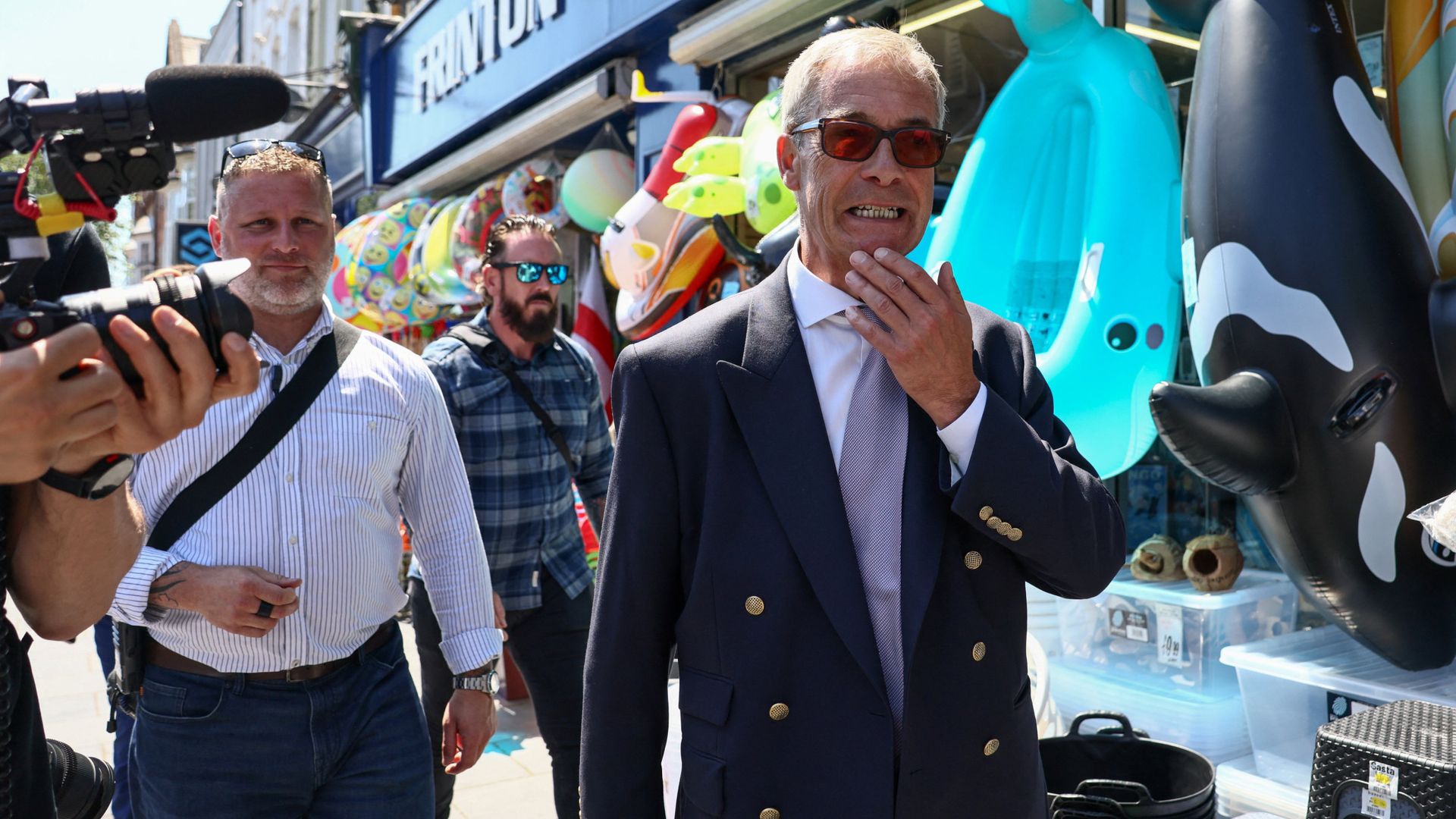
Scandals in British politics rarely arrive quietly. When Channel 4 News dropped an undercover investigation into Reform UK's fundraising machinery, the fallout tore straight through the party's annual conference in Birmingham. Nigel Farage insists his party broke zero laws. He claims the whole thing is an elaborate sting operation run by political opponents who are terrified of his momentum.
Yet, two high-profile officials found themselves suspended within hours. James Orr, who served as the party's head of policy and maintains an academic post at Cambridge University, stepped back alongside senior aide Dan Jukes. Cameras caught them discussing ways around strict British electoral laws governing overseas donations. For a populist movement built entirely on defying the political establishment and playing by a cleaner set of rules, the optics are brutal.
You need to look past the noisy spin from both sides to understand what actually matters here. This moment exposes the raw vulnerabilities of modern insurgent politics.
The Anatomy of the Undercover Sting
British electoral law is crystal clear about foreign money. You cannot fund political campaigns using cash from overseas donors. It is illegal, heavily regulated, and designed to protect domestic democracy from external interference.
The investigative report featured undercover journalists posing as representatives of a wealthy family office based abroad. They allegedly offered a £500,000 contribution. Instead of slamming the door on impermissible funds, footage showed party insiders brainstorming workarounds. They allegedly discussed using third-party channels to funnel polling resources and mask the true origin of the money.
Farage argues he was caught completely off guard. He points out that he meets hundreds of people every day during hectic campaign cycles like the Clacton by-election. He maintains that his direct conversations with the fake donors involved him asking basic compliance questions.
"Is this all above board? Is this all legal?" Farage asked reporters, defending his personal conduct.
Critics aren't buying that defense. Opposition leaders from Labour and the Conservative Party immediately demanded formal police investigations. The Metropolitan Police's special inquiry team began reviewing the broadcast material. Meanwhile, the Electoral Commission faces mounting pressure to determine whether UK election laws were fundamentally breached or merely tested.
Why the Suspension of Key Staff Backfires
Suspending staff members is the oldest crisis management playbook in politics. You cut off the damaged limb to save the body. Lee Anderson, Reform UK's chair, insisted that the suspended officials had zero chance of returning.
Other senior figures offered conflicting signals, suggesting confusion behind closed doors. When your own leadership team sends mixed messages about whether purged staffers are gone forever, cracks in the organizational foundation become impossible to hide.
Let's be honest about how political parties operate. Rapidly growing insurgent movements often outgrow their administrative infrastructure. When you scale from a fringe protest movement into a serious electoral threat overnight, your vetting processes lag behind your ambitions. You rely on contractors, ideological allies, and passionate believers who might lack formal compliance training.
That structural weakness invites operational disaster. If you do not institutionalize strict compliance from the top down, local operators and enthusiastic aides will cut corners to secure resources. They want to win. They think they are fighting a righteous war against the establishment. In that mindset, breaking a technical rule feels like a minor administrative hurdle rather than a criminal offense.
The Broader Fallout for the Reform UK Agenda
Farage tried to pivot the conference narrative back to core policies. He announced plans to declare a national emergency over small boats within his first hundred days in power. He signed a flashy memorandum of understanding with French National Rally figurehead Jordan Bardella. He threatened to force parliament to sit around the clock and pack the House of Lords with hundreds of new peers if blocked.
The media did not bite. Every headline focused on the sting, the suspended aides, and the looming threat of criminal inquiries.
Insurgents rely entirely on moral high ground. They win by convincing voters that mainstream parties are corrupt, self-serving, and broken. Once an undercover investigation punctures that narrative of purity, the entire brand suffers.
If you are following British politics right now, watch how the legal authorities handle the polling data tied to the allegations. If independent industry bodies like JL Partners face formal sanctions for failing to declare who commissioned specific polls, the pressure on Reform UK will compound exponentially.
Insurgency is easy when you are shouting from the sidelines. Managing a multi-million-pound political machine without tripping over election laws is where the real test begins. Farage claims he has broken no laws, but the court of public opinion operates on a much harsher timeline than the Crown Prosecution Service.
Take a close look at how political funding transparency rules evolve over the next few months. Expect tighter oversight, stricter audits on third-party polling, and zero tolerance for sloppy paperwork across every UK party office. Stop assuming populist campaigns operate by a different set of gravity. When the spotlight hits the back room, everyone burns the same way.