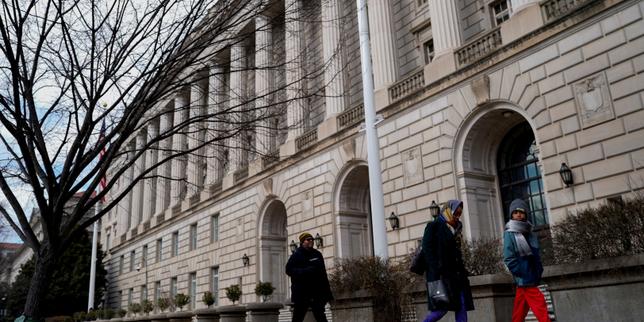
Privacy lines in American tax administration just got drawn much sharper. A federal appeals court recently slammed the brakes on a massive data-sharing pipeline between the Internal Revenue Service and immigration enforcement. If you think government agencies can freely swap your sensitive documents whenever it suits them, this ruling proves you wrong.
The D.C. Circuit Court of Appeals ruled that the tax agency broke federal law by handing over thousands of private taxpayer records to U.S. Immigration and Customs Enforcement. This wasn't a minor clerical error. It was an automated, high-volume pipeline that bypassed statutory safeguards built into the tax code decades ago. You might also find this connected story insightful: Why Singapore Just Paid Its Prime Minister Millions And Why It Actually Makes Sense.
Understanding the Legal Firewall
Section 6103 of the Internal Revenue Code exists for a reason. Back after the Watergate fallout, Congress looked at how executive branches weaponized taxpayer data against political opponents and said never again. They built a concrete wall around your tax returns.
Federal law states clearly that tax files are strictly confidential. The IRS can only share them with other agencies under hyper-specific criminal investigation rules. The requesting agency has to name the individual, point to a direct criminal proceeding, and follow exact protocols. As discussed in recent coverage by USA Today, the effects are significant.
Instead, the agreement between the Treasury and immigration officials relied on a sloppy "Data-Exchange Procedure". ICE sent over massive batches of names—topping 1.28 million requests—often leaving address fields or investigator contact points blank or filled with random text. The tax agency processed these requests en masse, eventually leaking over 47,000 taxpayer addresses before courts stepped in to halt the bleeding.
What This Means for Taxpayers and ITIN Holders
If you file taxes using an Individual Taxpayer Identification Number, you might feel a sudden spike of anxiety. Let's clear the air immediately. Your legal duty to file taxes hasn't vanished.
Filing your taxes and building a documented financial footprint remains critical. Courts at multiple levels have affirmed that tax confidentiality protections apply across the board, regardless of filing status. Failing to file your returns invites severe financial penalties from the IRS, and cutting corners on tax compliance only creates long-term vulnerabilities.
The recent judicial decision keeps the preliminary injunction locked in place. The government faces steep legal boundaries if personnel attempt to bypass statutory protocols again.
The Broader Fallout and What Comes Next
This legal war isn't over. The administration views immigration enforcement as a top priority, and executive agencies will likely look for narrow statutory workarounds or appeal further up the judicial ladder. Yet, the judiciary just drew a hard line against administrative overreach.
When federal agencies try to turn the tax collector into an arm of domestic enforcement, they run headfirst into statutory walls. Confidentiality laws written generations ago still carry teeth today. Keep filing accurately, protect your records, and watch how federal agencies adjust their next moves.
IRS and ICE 2026: Court confirms halt to data sharing
This video provides a detailed breakdown of the recent federal court decision halting the IRS data-sharing procedure with ICE and what it means for taxpayers.
http://googleusercontent.com/youtube_content/1