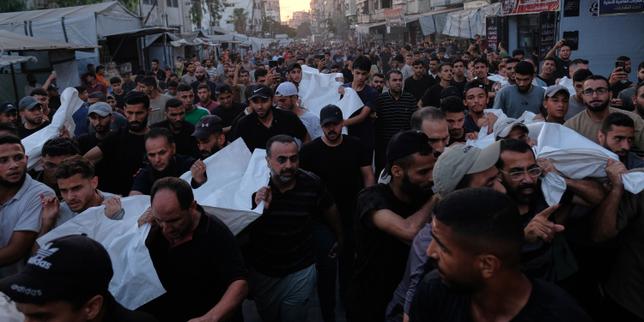
Eleven more people are dead in Gaza, including three children. That's the latest update from civil defense officials following overnight Israeli airstrikes. If you follow this conflict closely, these numbers might start to blur together, but each report represents a distinct, immediate escalation on the ground.
People look at these headlines and want to know two things. Why did these specific strikes happen now? And what does this tell us about where the military operations are heading? Let's look past the sterile statistics to see what actually occurred in the early hours of July 19, 2026. Expanding on this idea, you can also read: Why Simple Toys From Gaza Suddenly Triggered A Major Israeli Warning.
Breakdowns of the Overnight Bombardments in Gaza
The local civil defense agency in Gaza reported that the strikes hit multiple residential targets. Emergency crews spent hours pulling bodies from the rubble. Eleven fatalities are confirmed so far. Three of them were young children who never had a chance to escape the collapsing structures.
These operations targeted areas that have seen repeated actions over the past months. Military strategists often point to these recurring strikes as evidence of a persistent problem. When forces clear an area and move on, insurgent elements frequently re-emerge, leading to a cycle of return bombardments. For civilians trapped in these zones, it means nowhere is truly safe for long. Experts at The Washington Post have shared their thoughts on this matter.
Why Civilian Casualties Keep Climbing in Urban Warfare
We need to talk about why the civilian toll remains so high. Urban combat is inherently messy, but the density of Gaza creates an almost impossible environment for non-combatants. When a strike hits a building in a crowded neighborhood, the collateral damage ripples outward instantly.
Human rights organizations constantly argue that the weapons used are too heavy for such densely populated blocks. On the flip side, military commanders maintain they are targeting specific operational infrastructure hidden within civilian areas. This dispute doesn't change the ground reality. The people paying the highest price are those who have nothing to do with the fighting.
What Happens Next on the Ground
Don't expect the intensity to drop off anytime soon. The structural damage from these latest hits will further strain a medical system that basically functions on life support. Emergency workers are dealing with severe fuel shortages, making it incredibly hard to keep ambulances moving or rescue equipment running.
If you want to understand where this situation goes from here, watch the border negotiations and supply corridors. True stability won't come from a brief pause in airstrikes. It requires a fundamental shift in how aid enters the strip and how civilians are protected during active operations. Keep your eyes on the official humanitarian updates over the next forty-eight hours to see if rescue teams get the access they desperately need.