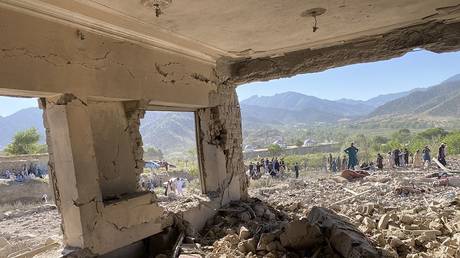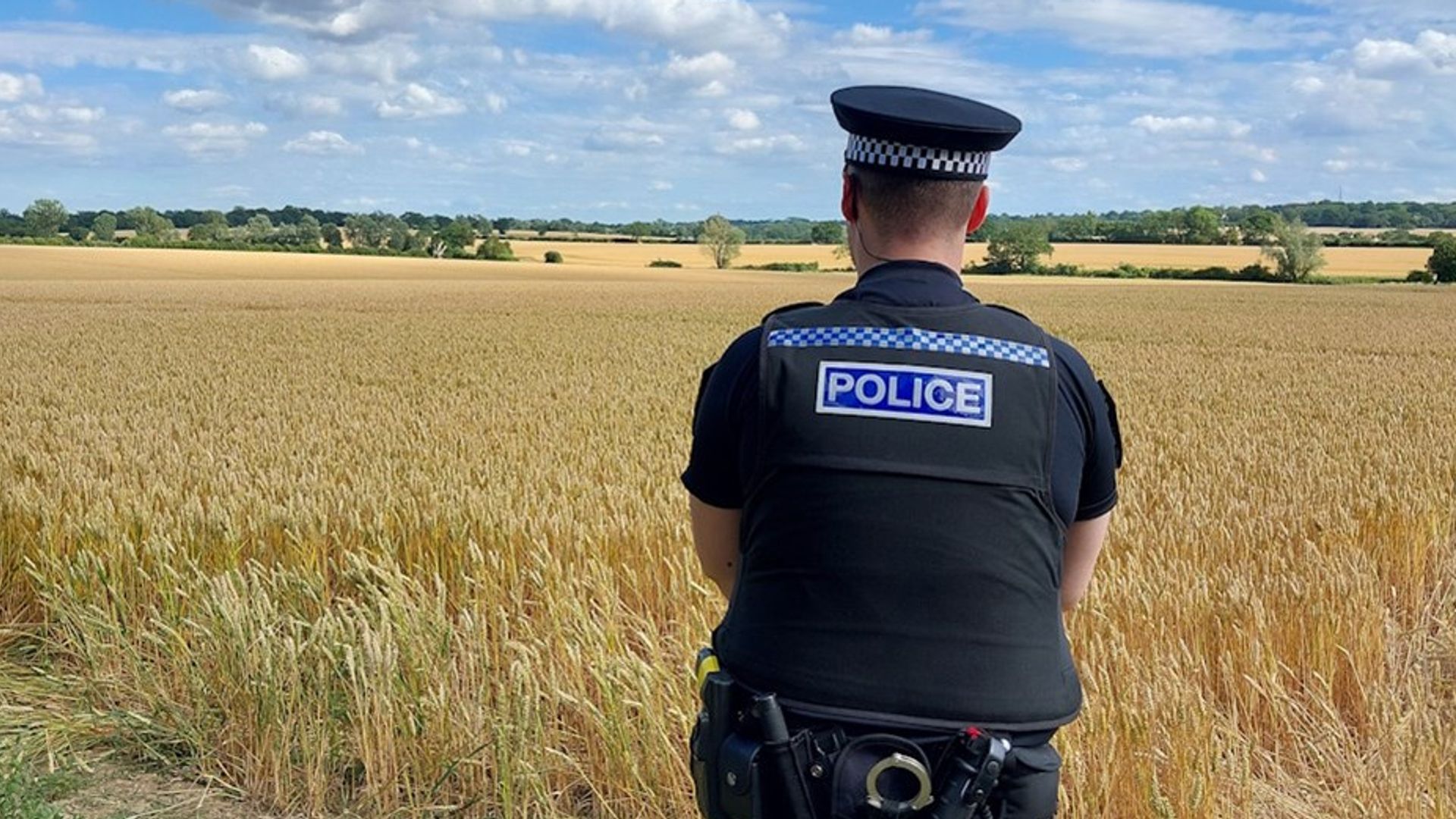
A standard Tuesday lunchtime shouldn't end in a field off Mill Lane with forensic tents and a multi-agency investigation. Yet that's exactly what happened in Ongar, Essex, when a two-seat Cessna 152 crashed just eight minutes after takeoff. Both people on board died. It was supposed to be a brief, exciting introduction to aviation, billed as a short flight experience. Instead, it became a reminder that general aviation operates under a completely different risk profile than commercial airline flights.
When a tragedy like this hits the headlines, people panic. They wonder if these experience gifts are death traps. They look at light aircraft and see fragile tin cans. The truth is much more nuanced. Understanding what happened in the skies over Essex requires looking past the shocking headlines and looking at how flight tracking data, aircraft maintenance, and accident investigations actually work.
The Sudden Tragedy off Mill Lane
The facts of the June 30 crash are straightforward but devastating. A Cessna 152 took off from North Weald Airfield at 12:22 PM. By 12:30 PM, emergency services were flooded with calls from members of the public who watched the plane come down in a field. The crash site sits roughly seven miles east of the airfield.
Detective Chief Superintendent Morgan Cronin, leading the update from the Kent and Essex Serious Crime Directorate, confirmed that formal identification will take time. It's a complex, sensitive process. The impact was severe enough that emergency services, including the Essex County Fire and Rescue Service and forensic teams, had to secure the area immediately to preserve evidence.
This wasn't an isolated flight or an amateur building a kit plane in a garage. The aircraft belonged to a structured environment at North Weald Airfield, a historic site that regularly runs trial flights for the public. These experiences give regular people a chance to sit in the front seat, handle the dual controls, and feel what it's like to pilot an aircraft under the strict supervision of a certified flight instructor.
Breaking Down the Flight Data
Aviation enthusiasts and investigators immediately looked at flight-tracking platforms like Flightradar24 to see what happened during those brief eight minutes. The data tells a very specific story before it cuts off.
After departing North Weald at 12:22 PM, the Cessna headed east. Five minutes into the flight, the aircraft began a turn to head back toward the airfield. This detail is critical. It suggests that either the planned route was exceptionally brief, or the pilot made a deliberate decision to return to base early.
Airplanes don't just fall out of the sky without a reason. The flight data shows that this exact aircraft had already completed two successful flights earlier that same Tuesday. The day before, it successfully flew five separate times. This high frequency of operations is standard for flight school training aircraft. It means the plane wasn't sitting rotting in a hangar; it was active, warm, and working.
When an aircraft flies multiple times a day without incident and then encounters a fatal issue on the third flight, investigators look for sudden, catastrophic failures or rapidly changing environmental conditions. It cuts down the likelihood of a long-standing, obvious defect that went unnoticed during pre-flight checks, though it doesn't rule out a mechanical failure that developed mid-air.
How Accident Investigators Reconstruct a Light Aircraft Crash
The Air Accidents Investigation Branch deployed a multidisciplinary team to Mill Lane within hours of the crash. They aren't looking to blame anyone. Their sole purpose is to figure out what happened so the industry can prevent it from happening again.
An AAIB team splits its focus into distinct buckets. They examine engineering, operations, and human factors.
The Mechanical Audit
The Cessna 152 is an incredibly basic machine compared to modern airliners. It features a high wing, a fixed tricycle landing gear, and a single piston engine usually built by Lycoming. Because it is simple, it is generally forgiving.
Engineers at the crash site will document the position of every control surface. They check if the flaps were deployed. They examine the propeller blades to see if they show signs of rotation upon impact. If the blades are bent sharply backward, the engine was likely producing power when it hit the ground. If the blades are straight and unmarred, the engine may have failed entirely before the crash, forcing the pilot into a glide.
They will also drain fuel samples to check for contamination. Water in the fuel lines can starve an engine of power within minutes of takeoff, right when the aircraft needs maximum thrust to climb.
Human Factors and Pilot Decisions
The human element is often the hardest part to reconstruct. Investigators will look into the medical history and recent rest patterns of the flight instructor. They will evaluate the weather conditions at 12:30 PM, looking at wind shear, visibility, and cloud base heights.
They also look at the interaction between the instructor and the student. In a trial flight experience, the participant sits in the left seat with full access to a set of controls that mirrors the instructor's set on the right. While instructors are highly trained to override a panicked student who pulls back too hard on the yoke or stomps on a rudder pedal, the margin for error is razor-thin when you are flying low to the ground. An unexpected input at a low altitude gives an instructor only seconds to react.
The Truth About Booking a Trial Flying Experience
If you have a voucher for a flight experience sitting on your kitchen counter, this news probably makes you want to throw it in the bin. That's a natural reaction. But general aviation is heavily regulated, even if it carries more risk than boarding a commercial flight to Spain.
Commercial aviation relies on massive backup systems. Redundant engines, redundant computers, and two fully qualified commercial pilots who fly the same routes constantly. Light aircraft flying operates under visual flight rules. You have one engine, simple instruments, and you are highly dependent on the pilot's immediate skill and judgment.
The Cessna 152 remains one of the safest training platforms ever built. Thousands of pilots across the globe learned to fly in them. They are rugged. They handle abuse well. But they are still subject to the laws of physics and mechanical wear.
When you book a flight experience, you are trusting three layers of safety. First is the pilot's certification, which requires regular medical checks and flight reviews. Second is the airfield's operational oversight. Third is the strict maintenance schedule mandated by the Civil Aviation Authority, which requires light aircraft to undergo deep inspections every 50 flying hours.
Next Steps for General Aviation Safety
The investigation at Ongar will take months. The AAIB typically releases a bulletin or a formal report up to a year after an incident. Until then, the community must wait for concrete answers.
If you are involved in general aviation or plan to take a flight experience soon, you can take immediate actions to ensure your peace of mind.
Ask the flight school about their fleet maintenance. A reputable school will happily explain how often their planes are serviced and what their pre-flight inspection routines look like.
Check the weather minimums. Don't pressure an instructor to fly if the clouds are low or the gusts are high. Instructors want to get home safely just as much as you do.
Pay attention to the pre-flight briefing. If you take a trial lesson, the instructor will explain what you can touch and, more importantly, what you must leave alone during critical phases of flight like takeoff and landing. Listen to those instructions clearly.
The tragedy in Essex reminds us that aviation leaves no room for complacency. While we wait for the AAIB to publish their findings on the Mill Lane crash, the best approach is to respect the data, understand the real risks of light aircraft flight, and support the families who are currently waiting for answers in the wake of a sudden disaster.