Ukraine can hit an oil refinery in Omsk, Siberia, nearly 2,700 kilometers from its border. Its forces regularly knock down more than 90% of Russia’s incoming Shahed drones. Yet, Ukrainian cities are still burning. In early July 2026, a brutal wave of Russian strikes hammered Kyiv, leaving dozens of civilians dead and exposing a massive flaw in Ukraine's armor. It isn't a lack of courage or drone tech. It's a severe, desperate shortage of air defense missiles capable of stopping ballistic threats.
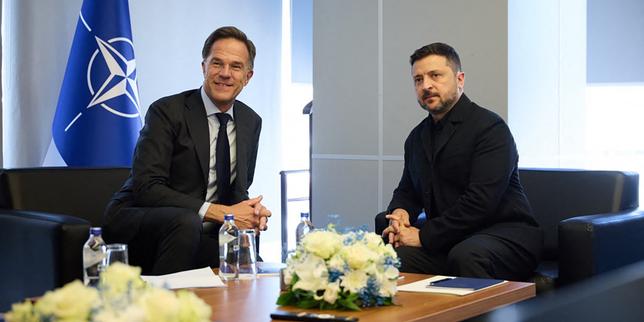
This is exactly why Volodymyr Zelensky landed in Ankara for the high-stakes NATO summit. Standing next to NATO Secretary General Mark Rutte, the Ukrainian president dropped the usual diplomatic pleasantries. He demanded immediate, urgent action. You might also find this related story insightful: Why The Middle East Ceasefire Just Collapsed.
The battlefield has evolved dramatically, but Russia retains one massive, terrifying advantage. Their ballistic missiles travel at several thousand kilometers an hour, tearing through standard defense grids. Ukraine can build all the long-range attack drones it wants, but without Western-supplied interceptor missiles like the US-made Patriot, it cannot survive the onslaught from above.
Why Drone Success Isn't Saving Kyiv
People see the headlines about Ukraine destroying Russian fuel supplies and think the war is shifting. Just days before the summit, Ukrainian drones penetrated deep into Russian territory, forcing local authorities in Crimea to declare a state of emergency. A senior NATO official confirmed that Ukraine’s deep-strike campaign knocked out roughly 20% of Russia's oil-refining capacity. As reported in latest reports by NPR, the implications are significant.
That sounds great on paper. In reality, it doesn't stop the terror in the skies over Kyiv.
Look at the numbers from the air defense logs. During a recent massive attack on the capital, Ukraine’s Air Force intercepted almost every single drone. But the ballistic missiles got through. Not a single one was shot down. The reason is simple math and physics. Drones are slow. Cruise missiles are predictable. Ballistic missiles are a completely different animal. They fly high into the atmosphere and come screaming down at hypersonic speeds. You cannot shoot them down with anti-aircraft guns or cheap shoulder-fired systems. You need high-end, extremely expensive interceptor missiles.
Right now, those missile stockpiles are running dangerously low. Zelensky called it absurd that Western production lines haven't scaled up to meet the threat. He's right. The West promised the shields, but forgot to send enough ammunition to keep them running.
The Ankara Showdown With Mark Rutte
When Zelensky met with Mark Rutte on the sidelines of the Ankara summit, the conversation focused entirely on logistics. The time for vague promises of future alliance membership is over. Ukraine needs missiles delivered to the front lines this week, not next year.
The discussion focused heavily on getting Allied countries to step up contributions to the PURL initiative and building out an Anti-Ballistic Coalition. Zelensky wants every single supply channel running at maximum capacity. Rutte praised the bravery of Ukrainian soldiers and acknowledged their deep-strike successes, but praise doesn't intercept a ballistic missile.
The underlying tension in Ankara is palpable. NATO allies recently agreed to boost defense spending to 3.5% of GDP by 2035 under immense pressure from Washington. But a target a decade away does nothing to solve the crisis happening today. Russia launched about 8,300 munitions in May alone, including over 200 missiles. Ukraine responded by launching 10,000 long-range drones, but drones cannot defend a hospital or a power grid from an incoming Iskander missile.
The Patriot Supply Problem
The top tier of European air defense rests almost entirely on the shoulders of the American Patriot system. There simply are not enough of them to go around.
Zelensky openly urged European leaders to stop relying solely on Washington and start building their own anti-ballistic missile shields. He made a blunt pitch at the NATO Summit Defence Industry Forum. He argued that Ukraine has become a powerhouse of defensive innovation and belongs inside NATO. He asked the audience if it made any sense to exclude a nation with this level of hands-on combat experience.
The logic is sound, but the politics are messy. The US and several European allies remain terrified of pulling NATO into a direct conflict with a nuclear-armed Russia. So instead of a membership invite, Ukraine gets a seat at the dinner table and a complex web of arms deals. Over 50 billion dollars in defense contracts were announced at the forum, but signing a contract isn't the same as delivering a missile to a battery outside Kharkiv.
What Happens Next on the Ground
The diplomatic theater in Turkey moves fast. Zelensky is scheduled for a critical face-to-face meeting with US President Donald Trump. Trump has publicly stated that both sides want a settlement, signaling he wants to force an end to the conflict quickly.
For Ukraine, any negotiation from a position of weakness is a death sentence. Without a functional air defense bubble, Russia can simply dictate terms by threatening to wipe Ukrainian infrastructure off the map.
If you want to track where this conflict is actually heading over the next few weeks, ignore the grand speeches about democratic values. Watch the cargo flights landing in Europe. The real test of Western commitment isn't whether they invite Ukraine into the alliance. It's whether they ship the specific interceptor missiles required to keep Ukrainian skies clear.
Keep a close eye on the following immediate indicators. First, watch for any concrete announcements from the US regarding emergency drawdowns of Patriot missile stockpiles. Second, monitor whether European defense firms like MBDA announce immediate production hikes for Aster or similar anti-ballistic systems. Finally, watch the incoming strike reports from Kyiv. If the interception rate for ballistic missiles stays at zero, the diplomatic talks in Ankara won't matter at all. The pressure on Ukraine to accept a flawed peace deal will become unbearable.