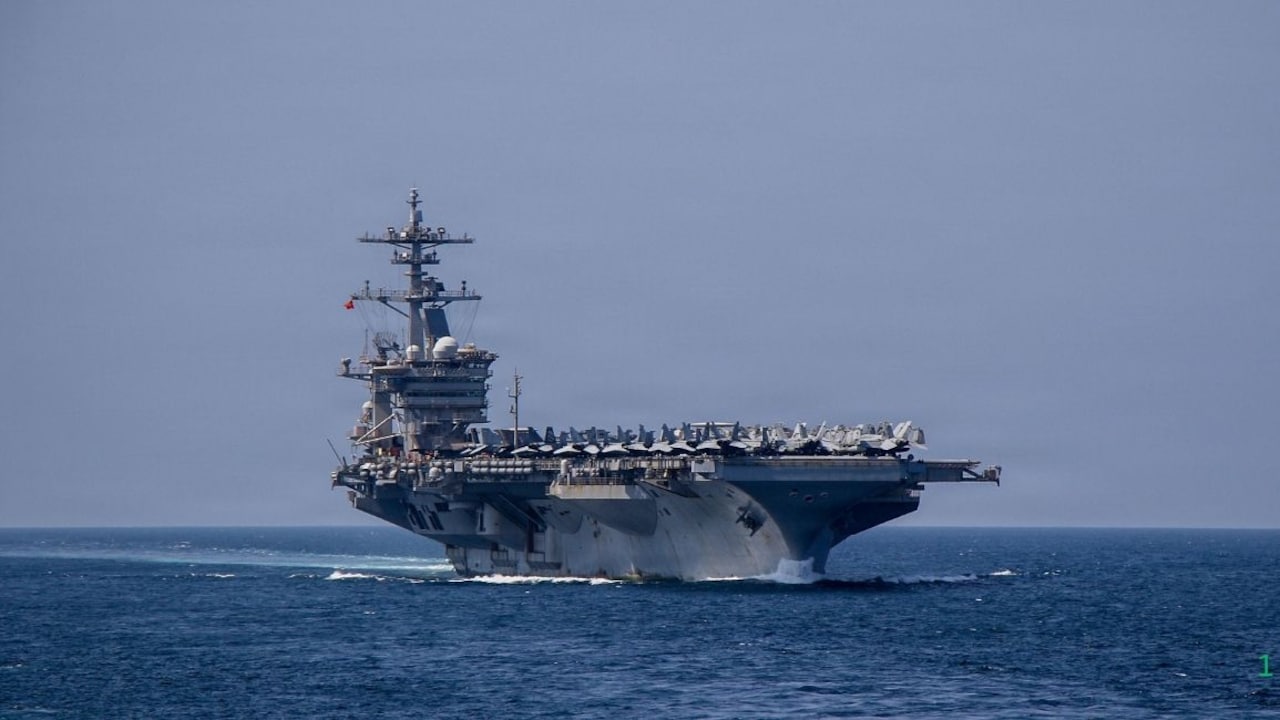
Control over a narrow strip of water rarely comes down to simple flags or executive announcements. While political leaders broadcast claims of total dominance over the Strait of Hormuz, the reality floating beneath the surface looks entirely different. Extended deployments, repeated extensions, and relentless operational tempos are colliding with human limits. You won't hear much about it in official press briefings, but the people keeping the machinery of war running are reaching a breaking point.
When multi-month carrier deployments stretch indefinitely without a clear endpoint, the psychological toll on sailors and aviators adds up fast. Reports emerging from vessels like the USS Abraham Lincoln reveal a stark human cost behind the high-stakes theater of Middle Eastern maritime conflicts.
The Breaking Point at Sea
Military strategy usually focuses on hardware, missile counts, and supply chains. Yet, armies and navies run on human endurance. Right now, that endurance is wearing thin.
Sailors operating near active conflict zones face constant threats from asymmetrical anti-ship systems, drones, and ballistic reactions. Combine that constant, low-grade terror with severe isolation, sleep deprivation, and broken communication lines back home, and you get an invisible crisis. Recent accounts published by outlets like the Military Times indicate that multiple crew members on extended deployments have attempted to jump overboard amid severe mental health crises.
Families are speaking out because official channels often mask the depth of these hardships. When spouses receive frantic messages about hopelessness or hear nothing at all for weeks due to operational blackouts, the illusion of seamless naval dominance shatters.
The Gap Between Rhetoric and Reality on the Water
Commanders can declare a maritime chokepoint open, but commercial shipping companies operate on insurance costs and physical safety. If tanker crews are routinely forced to abandon ships due to regional strikes, insurance premiums skyrocket and traffic slows to a crawl, regardless of who claims control.
The friction in the Strait of Hormuz isn't just a tactical disagreement between Washington and Tehran. It's a grinding war of attrition. Iran doesn't need to defeat a carrier strike group head-on to disrupt global energy flows. They just need to keep the pressure high enough that the psychological and economic costs become unsustainable for the other side.
Every day a carrier group stays pinned down in the region, maintenance backlogs grow, equipment degrades in harsh saline environments, and crew fatigue compounds.
What Happens When Morale Fails
Military leaders often talk about readiness as a metric of ammunition stock and aircraft flight hours. True readiness starts in the minds of the people turning the wrenches and monitoring the radar screens.
- Chronic fatigue leads to critical procedural errors during high-stress operations.
- Retention rates plummet when servicemembers realize their deployment timelines mean nothing.
- Support systems strain under the weight of unaddressed psychological trauma.
Ignoring these internal warning signs creates long-term vulnerabilities that no amount of posturing can fix. Fixating solely on who controls the surface waters misses the entire ecosystem keeping the mission alive.
Pay attention to the human element. That is where conflicts are ultimately won or lost.
US-Iran War: Hormuz Shipping Attacks Escalate; Nearly 100 US Troops Injured, Says Pentagon
This video provides a ground-level look at how shipping attacks and injuries are escalating military tensions in the region.