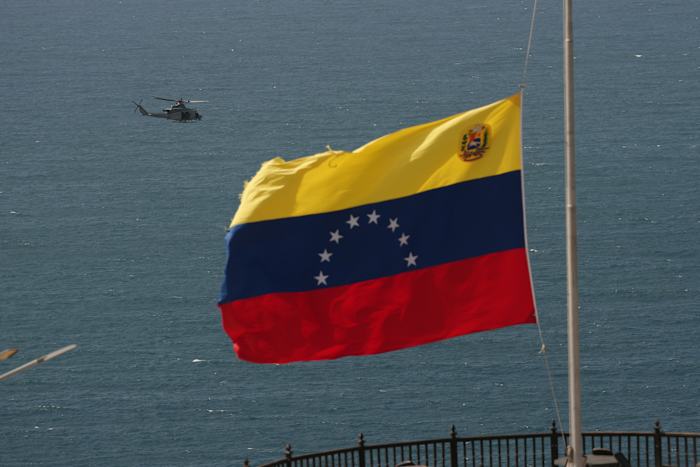
A devastating helicopter crash in the eastern Saudi oil hub of Ras Tanura killed 14 people on Sunday morning, reminding everyone of the hidden risks inside the world's most critical energy infrastructure. The aircraft belonged to state oil giant Saudi Aramco and went down at approximately 6:00 AM local time.
The Saudi Ministry of Energy confirmed that all 14 people on board were Saudi citizens, and nobody survived the impact. While emergency crews scrambled to secure the wreckage and retrieve the flight recorders, the regional implications began rippling outward immediately. Also making waves in this space: Why Democratic Party Leaders Are Losing Control Of Their Own Backyard.
This tragedy hits a highly sensitive geographic nerve at an incredibly tense moment. To understand why this incident is drawing global scrutiny, you have to look at where it happened and exactly when it happened.
The Worst Possible Timing for a Critical Energy Hub
Ras Tanura isn't just another coastal town. It sits on the Persian Gulf coast in Saudi Arabia's Eastern Province, acting as the absolute nerve center for Saudi Aramco's crude oil exports. It hosts the largest refinery complex in the Middle East, capable of processing 550,000 barrels of oil per day, and manages a massive share of the kingdom's daily global shipments. More information on this are covered by The Washington Post.
The timing of the crash couldn't be more volatile. Just two days prior, on Friday, Saudi Aramco had officially resumed crude oil loading at the Ras Tanura terminal. Operations had been completely paralyzed for nearly four months due to intense regional conflict involving Iran, which had effectively shuttered the Strait of Hormuz.
The arrival of giant crude carriers on Friday was supposed to signal a return to normal for global energy markets. Instead, forty-eight hours later, a company helicopter goes down right in the middle of this high-stakes restart.
Geopolitical Tensions Loom Large in the Background
The Saudi government hasn't dropped any hints that this was a hostile attack. They've framed it strictly as an aviation accident under investigation. However, the international community is watching closely because the broader geopolitical backdrop is an absolute powder keg.
Over the weekend, the US and Iran exchanged military strikes targeting each other's assets across the region. Tit-for-tat attacks hit shipping vessels, and regional air defense systems have been on high alert. When an aerospace incident occurs next to a facility that handles a quarter of the world's energy supply during an active conflict, markets notice.
Aramco runs one of the largest corporate aviation fleets in the Middle East, operating over 60 aircraft and serving more than 300 heliports across the kingdom. They use these helicopters like a high-speed bus system, constantly shuttling specialized engineers, executives, and maintenance crews between onshore operations and offshore drilling platforms. The loss of 14 personnel is a brutal operational blow to a workforce already under immense pressure to ramp up production.
What Happens Next in the Investigation
Civil aviation officials in Saudi Arabia have established a secure perimeter around the crash site to begin a detailed investigation. Investigators are prioritizing two major tasks to figure out what went wrong.
- Recovering the flight data recorders: Finding the "black boxes" will give investigators absolute clarity on mechanical performance, engine metrics, and pilot inputs leading up to the 6:00 AM crash.
- Analyzing localized weather and maintenance history: While regional weather wasn't flagged as severe, investigators will look into whether early morning visibility, sudden wind shears, or mechanical fatigue played a role.
Historically, Aramco maintains stringent safety protocols for its fleet, which makes a catastrophic failure of this scale rare. The company has corporate backing from top-tier international aviation standards, meaning the investigation will likely pull in global experts to verify the structural integrity of the aircraft model involved.
The Operational Fallout for Aramco
For people working in the energy sector, this tragedy highlights the heavy reliance on corporate aviation to keep offshore energy flowing. You can't run a global oil empire without constant helicopter support.
Right now, Aramco has to manage two conflicting priorities. They must support the grieving families of the 14 citizens lost, while simultaneously ensuring that transport operations don't freeze up. Any prolonged grounding of their helicopter fleet for safety checks will slow down the movement of essential personnel to offshore platforms, threatening the fragile stabilization of oil exports through the newly reopened Gulf channels.
The International Energy Agency recently noted that the global energy market remains highly unpredictable. This accident adds a layer of operational uncertainty to an already fragile peace.
If you are tracking global energy stability or regional supply chain risks, the immediate step is to monitor the official aviation safety updates out of Riyadh over the next few days. The findings will reveal whether this was an isolated mechanical failure or a systemic fleet issue that could slow down Saudi Arabia's vital economic engine.