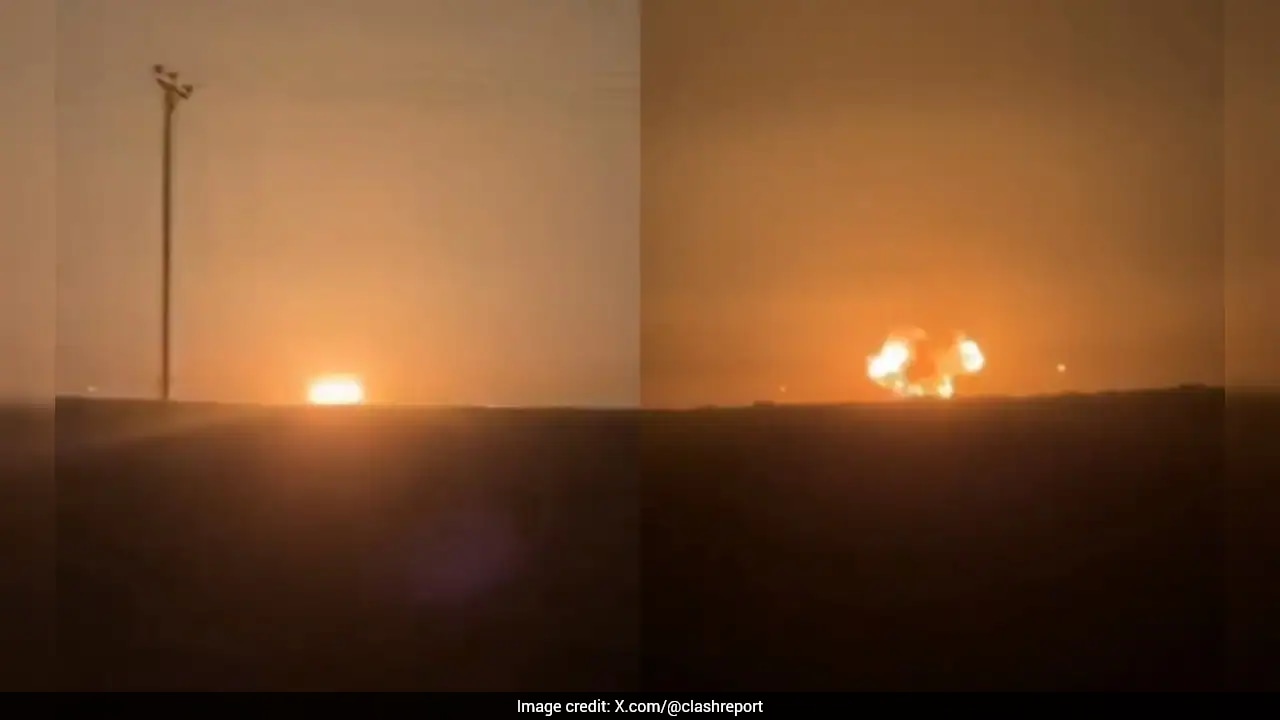
When a massive fireball lit up the sky over Ras Laffan Industrial City on Sunday night, the initial official line from Doha was classic crisis management. They called it a technical accident. They said there were no leaks threatening public safety. But hours later, Qatar’s Interior Ministry dropped the real numbers, and they are grim. At least 54 people are injured, and 18 workers are completely missing.
If you think this is just another factory mishap in the desert, you're missing the bigger picture. This happened at the Barzan gas supply facility, the beating heart of Qatar’s domestic energy network. More importantly, it happened exactly as the country was trying to spin back up its massive natural gas export machine after months of regional warfare and direct Iranian strikes.
This isn't a minor operational hiccup. It's a flashing red warning light for global energy security.
The True Cost of a Hasty Restart
Let's look at what actually went down on June 21, 2026. QatarEnergy confirmed the explosion took place during recommissioning. That's industry speak for trying to turn a dormant, damaged system back on.
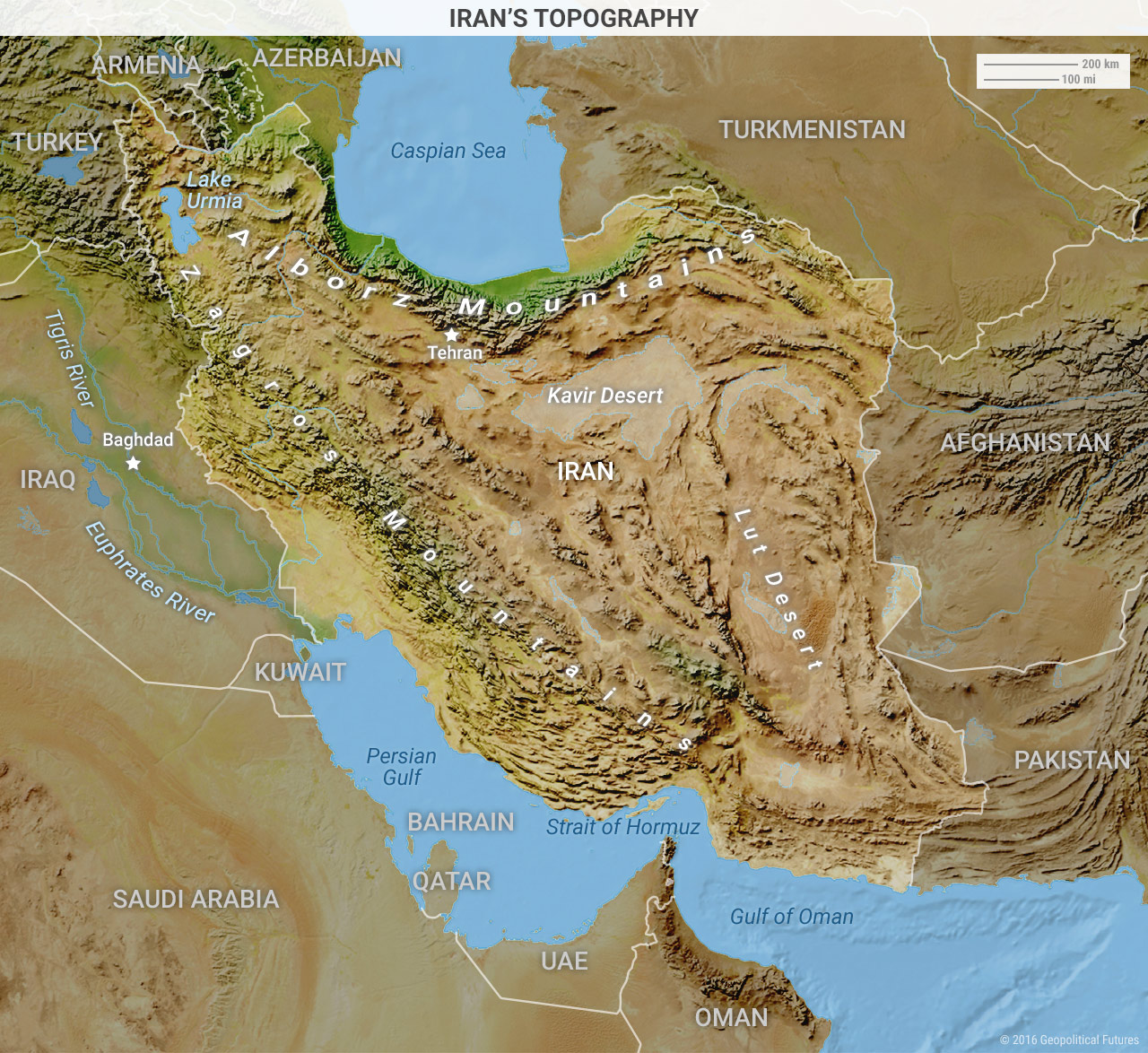
Earlier this year, the facility took heavy damage. Back in March, Iranian drone and missile strikes hit Ras Laffan hard. Energy Minister Saad Al-Kaabi stated at the time that the damage would likely knock out a massive chunk of export capacity, requiring up to five years for full, permanent repairs. Because of Iran’s chokehold on the Strait of Hormuz, Qatar had essentially shut down its main gas pipelines and export terminals. It made no sense to pump gas that tankers couldn't safely move out of the Persian Gulf.
But recently, the diplomatic gears started turning in Switzerland. As talks progressed and Iran slightly loosened its grip on the shipping lanes, Qatar saw an opening. They rushed to get the Barzan facility back online.
When you rush the restart of a complex hydrocarbon processing plant that has suffered structural trauma from military strikes, things break. The internal explosion and subsequent fire suggest an operational error or a structural failure under pressure. The sheer scale of the casualty list—54 injured and nearly two dozen missing—tells you this wasn't a minor valve leak. It was a catastrophic failure of containment during a high-stakes restart.
What Barzan Actually Does
People often confuse Qatar's domestic gas network with its international liquid natural gas (LNG) export shipping lines. The Barzan facility is different, and its failure hurts Qatar in a very specific way.
Barzan has a massive design capacity of 1.4 billion standard cubic feet of gas per day. That gas doesn't get loaded onto ships for Europe or Asia. Instead, it feeds the domestic grid. It powers local industries and, crucially, keeps the lights on across the country. It runs the massive water desalination plants that literally keep the population alive in a desert region with zero natural freshwater rivers.
When Barzan goes dark, Qatar has to divert gas intended for international buyers just to keep its own citizens from losing power and water. That means fewer tankers leaving the port, less revenue flowing in, and tighter supplies for an already starved global market. ExxonMobil holds a minority stake in this specific plant, but they've remained completely silent about the operational failures leading to Sunday's blast.
The Geopolitical Illusion of Safety
Qatar has spent billions of dollars over the last two decades building up its image as an indispensable global player. They hosted the World Cup, built a massive media empire, and positioned themselves as the ultimate neutral mediators who can talk to Washington, Tehran, Hamas, and the Taliban all at the same time.
That diplomatic shield didn't protect their infrastructure.
The underlying reality is that Qatar shares its crown jewel—the giant North Field gas reservoir—directly with Iran, which calls its side the South Pars field. For years, this shared asset forced a polite, tense neutrality between Doha and Tehran. But the recent regional war blew that up. Iran’s willingness to launch direct missile attacks at Ras Laffan earlier this year showed that shared economic interests no longer guarantee safety.
By labeling Sunday's blast a simple technical accident, the Qatari government is trying to cool down an overheating market. They want the world to believe this is an internal maintenance issue, not an extension of the war that has plagued the region. But you can't separate a technical malfunction from the fact that the plant was wounded by air strikes just months ago. Workers are paying the price for a rushed return to normalcy that simply does not exist.
Why Global Markets Should Worry
The timing of this blast couldn't be worse for global buyers. Energy markets are already incredibly volatile. The United States, Australia, and Russia are scrambling for market share, but Qatar remains the low-cost king of LNG.
When Ras Laffan sneezes, the rest of the world catches a cold. Europe, which relies heavily on Gulf gas to offset its total loss of pipeline supply from northern routes, is watching these developments with absolute dread. Even if the wider LNG cooling trains weren't directly leveled by Sunday's blast, the strain on the workforce, the mobilization of the Qatari International Search and Rescue Group, and the diversion of resources to secure the local power grid will slow down every single export operation in the complex.
The search-and-rescue teams from Lekhwiya are still combing through the wreckage for those 18 missing persons. Until those workers are accounted for and a full forensic engineering audit is completed, the Barzan facility will sit cold.
Next Steps for Energy Managers
If you manage supply chains or invest in commodities, you can't take state-media press releases at face value. Here is what needs to happen right now.
First, track the vessel movement data directly out of Ras Laffan over the next 72 hours. Don't listen to what officials say; watch what the tankers do. If you see loading times stretching from the usual 24 hours to 48 or 72 hours, it means domestic shortfalls are forcing QatarEnergy to throttle export volumes.
Second, re-evaluate any reliance on spot-market LNG pricing for late 2026. This incident proves that the physical infrastructure in the Gulf is far more fragile than assumed post-conflict. Security premiums need to be priced into every single contract moving forward because the line between an industrial accident and a casualty of war has completely vanished.