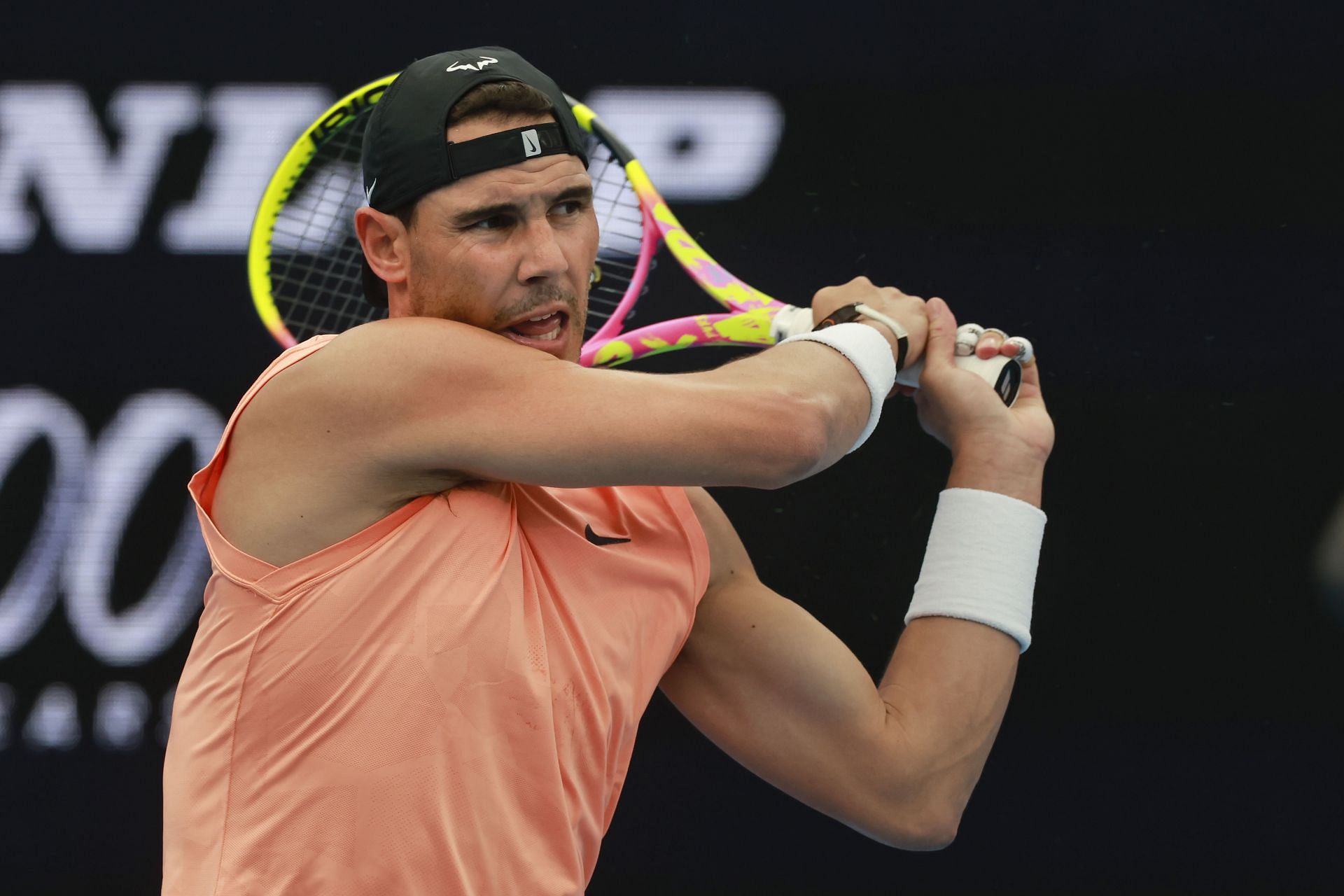
Rafael Nadal has spent twenty years perfecting the art of keeping his cards close to his chest. On court, he was a machine. He was the guy who obsessively lined up his water bottles, adjusted his shirt, and stared down opponents with the intensity of a man defending a fortress. You watched him win 22 Grand Slams, but you rarely felt you knew the person behind the bandana.
That changed with the release of the Netflix docuseries Rafa. Directed by Zach Heinzerling, the project manages to capture something most sports documentaries miss: the actual human cost of sustained, world-class excellence.
Breaking the Silence
If you've followed tennis, you know the narrative. Nadal was the warrior. The man who could overcome any injury, any deficit, and any rival. What the documentary reveals, however, is that this image wasn't just a persona. It was a survival strategy.
Nadal wasn't naturally wired to handle the crushing pressure of professional tennis. He wasn't born with an off-switch for anxiety. He built one. When he talks about the 2015 period, where he was so consumed by panic that he feared he might choke on his own saliva, you realize the “fighting spirit” we celebrated was a byproduct of desperate coping. He was terrified. He was struggling. And he was winning anyway.
Most people get this part wrong about elite athletes. They assume that if someone wins constantly, they must be fearless. The reality is much messier. It’s often someone terrified of failure who finds a way to channel that fear into hyper-focus.
The Physical Toll
Let's talk about the price of 22 Grand Slams. It wasn't just sweat. It was chemical.
Nadal’s long-standing diagnosis of Müller-Weiss syndrome—a rare foot condition—is well-documented, but the docuseries provides a visceral look at how it actually played out day-to-day. You aren't just hearing about "foot pain." You’re hearing about a man who essentially traded his long-term health for a trophy cabinet. The revelation that his intake of anti-inflammatories was so aggressive it caused two perforations in his intestines is shocking. It’s a stark reminder that professional sports are often closer to a combat zone than a healthy hobby.
He sacrificed his body because that was the currency he had. He knew the cost. He paid it.
Why He Opened Up Now
Why would a guy who fought for decades to maintain a veneer of untouchable focus suddenly open the kimono for a camera crew?
It’s not just for the paycheck or the legacy. Nadal talks about wanting to "normalize" the conversation around mental health. It’s a surprisingly candid stance for a generational icon from his generation. He admits that he couldn't fix his anxiety by himself. That’s a bold admission for someone whose entire brand was built on being self-sufficient and mentally indestructible.
He’s not trying to look perfect anymore. He’s trying to be useful. By showing the cracks, he’s telling the next generation that it’s okay to have them, provided you find the help to manage them.
The Toni Factor
You can’t discuss Nadal’s trajectory without mentioning his uncle and longtime coach, Toni. Critics have spent years calling Toni’s methods harsh. They were. They were brutal.
But here’s the thing: Nadal doesn't hold it against him. He credits that intensity for creating the armor he needed to survive the tour. It’s a fascinating insight into high-performance coaching. There’s a distinct difference between "tough love" and "abuse," and while the lines often blur in sports, Nadal views Toni’s approach as the essential catalyst that forced him to become better. He isn't looking for sympathy for those training sessions. He’s looking for the reason he succeeded.
Moving Beyond the Court
Retirement has changed the man. He isn't itching to get back out there. He’s not living in the past or lingering on the sidelines of the tour. He’s moved on.
Seeing him transition into the business side of tennis—running his academy in Mallorca—reveals a side of him that feels lighter. The "matador" intensity is still there, but it’s pointed at spreadsheets and logistics now.
If you're interested in the psychology of winning, watch Rafa not for the tennis highlights, but for the quiet moments. Look at the way he talks about his family, his dialect, and his failures. You’ll see that the greatest champions aren't the ones who don't feel fear. They’re the ones who learn to build their lives around it.
Next Steps for Fans
If the documentary shifts how you view high-performance, don't just consume more sports content.
- Analyze your own pressure points. We all have personal "water bottles" we align to feel in control. Identify what yours are. Are they helping you or hiding your anxiety?
- Prioritize long-term health over short-term wins. Look at your daily habits. Are you burning through your own "intestines" just to hit a deadline or win an argument?
- Seek help before you hit the wall. Nadal admits he needed help. Don't wait until the panic starts feeling normal.
He stopped playing, but he finally started talking. That, in the end, might be his most important performance yet.

:max_bytes(150000):strip_icc()/shwedagon-pagoda-at-sunset--yagon--myanmar-977553146-5bbea663c9e77c0051d23339.jpg)