Paper trails keep the multi-trillion-dollar global commodities market moving. Until someone checks if the paper is real. Singapore police recently moved past routine inquiries and raided the local office of iron ore trader Radiant World. Employees were questioned. Documents were seized. Just like that, one of the more prominent players in raw material supply chains found itself caught in an escalating international storm.
If you work in trade finance or logistics, this doesn't come as a total shock. Cracks have been forming around Radiant World for weeks. Global heavyweights like Glencore, Vitol, and Cargill quietly severed ties, while financial institutions like Deutsche Bank and KBC moved to freeze accounts. The core issue isn't just a localized dispute. It touches on systemic vulnerabilities that haunt commodity trading desks across Geneva, Singapore, and Houston.
The Anatomy of the Paper Trail Problem
Rumors turned into reality when counterparty concerns boiled over regarding allegedly falsified transaction documents. In the world of physical trading, cargo moves because banks trust the paperwork. Bills of lading, warehouse receipts, and commercial invoices serve as collateral for hundreds of millions of dollars in revolving credit facilities.
When those invoices turn out to be invalid or fabricated, the house of cards wobbles. Radiant World allegedly provided documents to banks that failed basic validation checks.
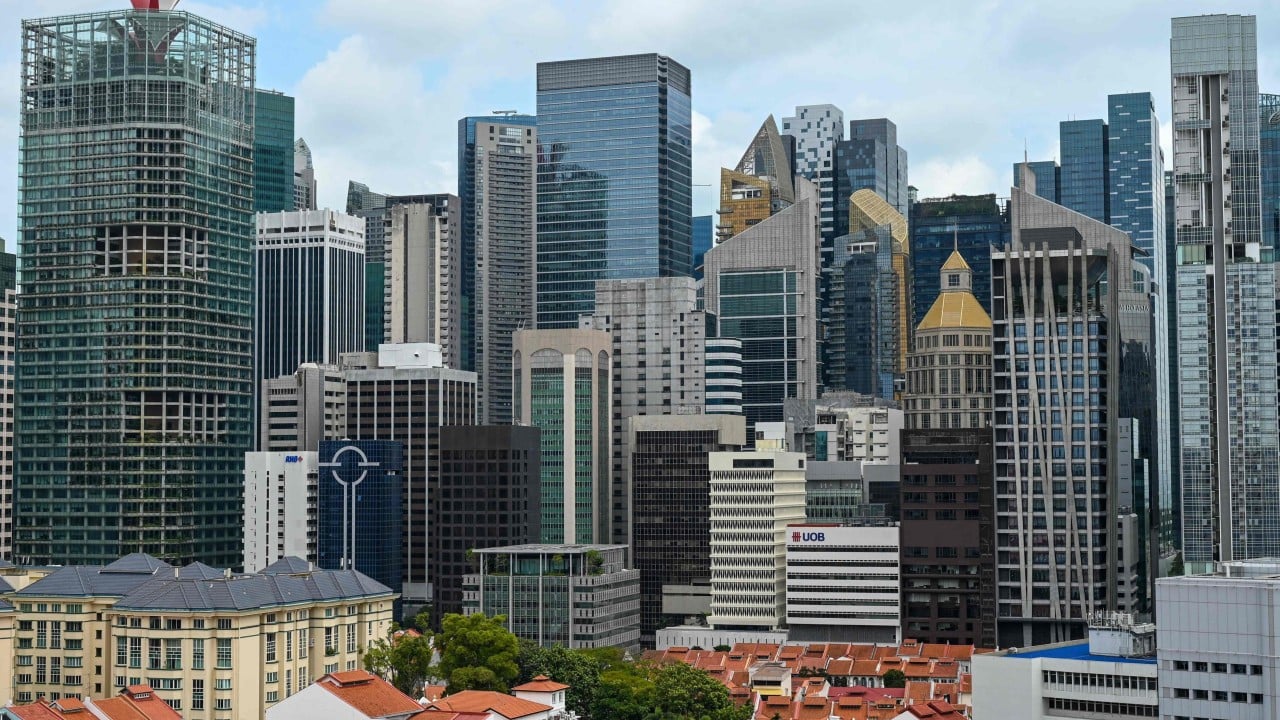
US authorities are already circling. Both the Department of Justice and the Commodity Futures Trading Commission have launched parallel probes into Radiant World's transactions and creditor relationships. The scope covers potential criminal violations and market manipulation. Now that the Singapore Police Force has executed physical raids at corporate hubs like Battery Road, the legal jeopardy has shifted from abstract regulatory warnings to immediate criminal exposure.
Why Major Traders Are Running for the Exits
Risk management committees across the commodity sector move fast when document fraud enters the conversation. Nobody wants to be left holding the bag when a borrower's credit lines evaporate.
Major mining corporations, including Rio Tinto, stripped Radiant World from their approved customer lists. Brokerage firms like Marex Group locked down accounts. Back-office staff reductions have already begun trickling down to regional nodes like Dubai.
The speed of this corporate uncoupling highlights a brutal truth about modern trade finance. Trust takes decades to build and about ten minutes to vanish. When a trader faces allegations of submitting fraudulent paper to secure financing, counterparties don't wait for a court verdict. They protect their balance sheets first and ask questions later.
What This Means for the Future of Trade Finance
The Radiant World situation serves as a harsh wake-up call for an industry that still relies heavily on legacy verification methods. Too many transactions depend on manual checks of paper documents floating between shipping lines, buyers, and lenders.
If you are managing credit risk or handling operational compliance today, you have to look closely at your own counterparty audit trails. Relying solely on historical relationships or audited statements is no longer enough. Banks are tightening their validation protocols, and law enforcement agencies are showing zero patience for lax oversight.
Transparent verification procedures, immutable digital ledgers, and aggressive cross-checking of shipping data are mandatory safeguards now. The days of taking an invoice at face value are officially over.
Take a hard look at your current exposure limits. Audit your document verification workflows immediately, and assume that regulators will scrutinize every paper trail in your portfolio.